Cameroon bans raw log exports for 91 tree species
Cameroon has prohibited exports of unprocessed logs from 91 tree species under a decree signed on 28 April 2026 by Forests and Wildlife Minister Jules Doret Ndongo. The measure is part of a push to expand domestic wood processing and cuts off raw-log supply for importers of tropical hardwood.
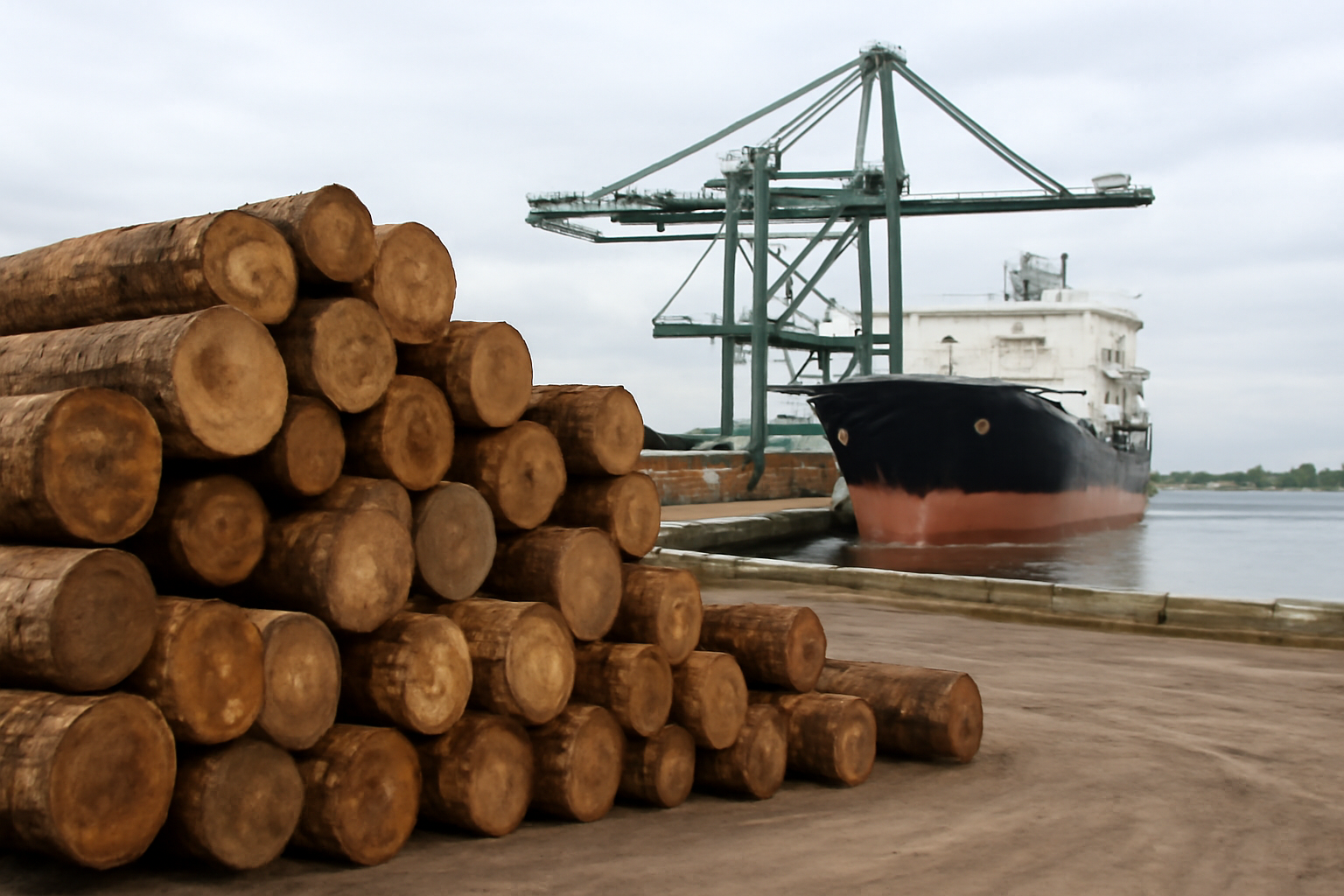
Cameroon has banned the export of unprocessed logs from 91 tree species, extending a policy drive aimed at forcing more timber to be transformed inside the country before it leaves. According to a report relayed via Bing, the measure was set out in a decree signed on 28 April 2026 by the Minister of Forests and Wildlife, Jules Doret Ndongo.
What the decree covers
The decree bars the export of raw logs from 91 named species. In practice, these species can no longer leave Cameroon in log form; they must be sawn, sliced or otherwise processed domestically before shipment. The report frames the step as a further tightening of rules on raw timber rather than an isolated decision.
Log export bans are a familiar instrument among timber-producing countries seeking to industrialise their forestry sector, and Cameroon's move fits that pattern. The key variables for the market are how strictly the ban is enforced, whether any transition period applies, and how buyers adjust contracts already in place.
A drive toward local processing
Cameroon presents the ban as part of a longer-running strategy to move up the value chain in wood. Rather than exporting logs and importing finished wood products, the government wants sawmilling and further transformation to happen locally, capturing more value and jobs at home. The 28 April 2026 decree marks the latest step in that direction.
- Raw logs from the 91 species must be processed inside Cameroon before export.
- The stated goal is to expand domestic wood-transformation capacity.
- The measure follows earlier moves to restrict raw timber shipments.
Implications for global buyers
For importers of tropical hardwood, the immediate effect is that Cameroon's supply of raw logs in the affected species is cut off. Buyers who relied on Cameroonian logs will need to source processed wood — sawn timber or veneer — from Cameroon instead, or find logs elsewhere. That shifts the point of processing, and the associated margin, from the buyer's country to Cameroon.
The change matters for traders in Europe and Asia that have historically taken Central and West African logs. Whether Cameroon's domestic mills can absorb the redirected volume, and how quickly, will determine whether the ban tightens availability of finished tropical wood in the near term. The reporting does not provide volume or price figures, so the scale of the disruption remains to be quantified from trade data.