Cambodian cashew supplies near 1 million tonnes as Vietnam expands processing imports
Vietnam imported nearly 1 million tonnes of cashew nuts from Cambodia in the first seven months of 2026, worth about $1.7 billion. The inflow supports Vietnam’s processing and export industry, although faster growth in raw material costs is putting pressure on processors.
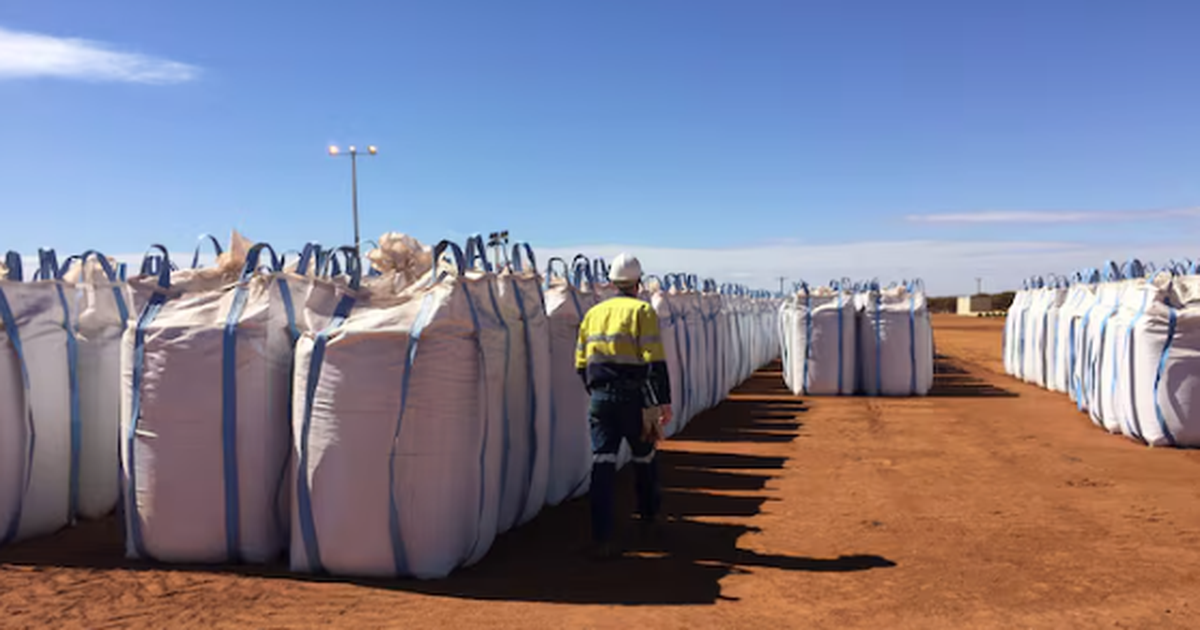
Cambodia supplies more than half of Vietnam’s cashew imports
Vietnam imported nearly 1 million tonnes of cashew nuts from Cambodia in the first seven months of 2026, with the shipments valued at about $1.7 billion, according to Kenh14. The volume and value were 24% higher than a year earlier. Cambodia accounted for 54% of Vietnam’s total cashew import volume and 56% of its import value, retaining its position as the country’s largest supplier.
The Cambodian material benefits from geographical proximity, which shortens transport times for Vietnamese processors. Vietnam also continued to apply bilateral trade mechanisms for certain Cambodian-origin goods under the 2025-2026 agreement to promote trade between the two countries. Ministry of Industry and Trade Circular 06/2026/TT-BCT, covering import tariff quotas under the agreement, took effect on February 12, 2026. The source headline describes qualifying imports as entering at a 0% tariff.
Vietnamese companies also source raw cashew nuts from African producers, including Ivory Coast, Tanzania and Nigeria. Imports are necessary because Vietnam’s domestic growing area supplies only part of the raw material required by its processing plants.
Raw material purchases outpace export growth
Vietnam’s cashew exports generated about $2.9 billion in the first seven months of 2026, up 3.3% from the same period of 2025, based on the July 2026 socioeconomic report from the Statistics Office cited by Kenh14. Cashew imports reached approximately $3.2 billion, an increase of 10%. Import value therefore exceeded export revenue by about $300 million, while the growth rate for imports was roughly three times that of exports.
VINACAS, the Vietnam Cashew Association, cautioned against interpreting the midyear difference as evidence that the industry is structurally running a trade deficit. Its deputy secretary-general said the gap largely reflects the timing of raw material purchases and finished-product sales. Harvesting in Cambodia and several African countries normally runs from February through June, prompting Vietnamese processors to buy and store enough raw nuts for the year. In 2026, the harvest came later than usual, extending purchases into May and June.
Processing cycle shifts revenue toward year-end
Imported raw nuts must be steamed, shelled, processed, graded and packaged before they can be exported as kernels or other cashew products. As a result, processors typically incur large raw material expenses around the middle of the year before export revenue catches up.
VINACAS expects global cashew demand to strengthen toward year-end, particularly during the holiday and Christmas period in the United States and Europe. The United States, China and European markets are among the main destinations for Vietnamese cashew products. Stronger shipments of kernels processed from previously imported material could narrow the current difference between import and export values.
Margins depend on raw nut prices
The figures underline Vietnam’s role as one of the world’s largest cashew-processing and kernel-exporting centers, as well as its dependence on foreign raw materials. Rising imports can indicate active factory utilization and preparations for later export orders, but higher turnover does not necessarily translate into stronger profitability.
If raw cashew prices rise faster than international kernel prices, processors’ margins will come under pressure even if export revenue continues to grow. Stable Cambodian supply, manageable purchase prices and stronger year-end demand will therefore determine how effectively Vietnamese factories convert the current inventory build into finished-product sales.