Cambodia’s raw cashew exports exceed $1.44 billion as planted area tops 580,000 hectares
Cambodia exported 831,179 tonnes of raw cashew nuts in the first four months of 2026, up 24% year on year, according to the Cashew Nut Association of Cambodia. Revenue exceeded $1.44 billion, while the country’s cashew area stands at more than 580,000 hectares.
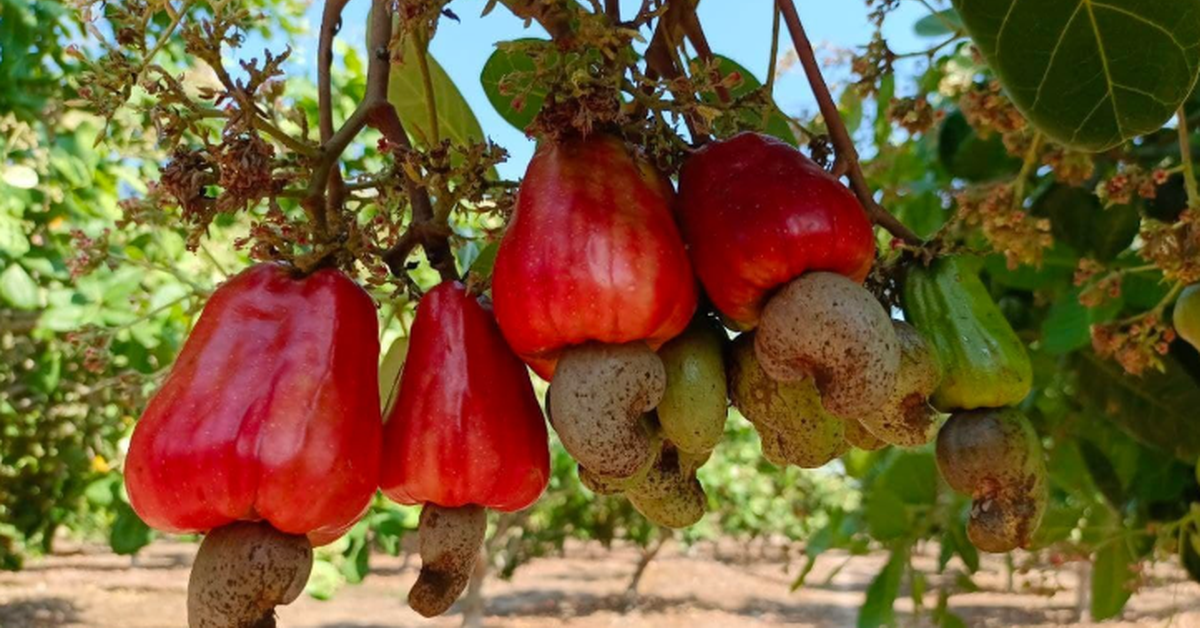
Exports rise 24% despite weather concerns
Cambodia exported 831,179 tonnes of raw cashew nuts in the first four months of 2026, an increase of 24% from the same period in 2025, according to the Cashew Nut Association of Cambodia. Export revenue surpassed $1.44 billion, extending the sector’s growth despite earlier concerns that adverse weather could reduce yields and damage nut quality.
CAC President Uon Silot said the results placed Cambodia’s cashew industry in a more favorable position than a year earlier. The figures also reinforced cashews’ role as a significant contributor to the country’s agricultural export earnings. Cambodia is now among the world’s three largest cashew-producing countries, based on the association’s account of the sector.
Extreme weather tested the harvest
Farmers had entered the season concerned about the effects of climate change. The industry faced several forms of extreme and irregular weather, including unusual cold spells, temperatures above 40°C and uneven rainfall. Each can affect flowering, fruit development, yields and the commercial quality of raw nuts.
Local agricultural officers stepped up direct support in producing areas. Their work included helping farmers assess risks and adopt measures intended to improve resilience to changing weather. During the early harvest seasons of 2025 and 2026, CAC organized more than 40 climate-adaptation training courses for over 8,400 farmers across Cambodia.
Silot said the export performance had partly eased earlier fears about climate-related losses in cashew output. He attributed the industry’s progress to cooperation among the Cambodian government, commodity associations and farmers. The available figures demonstrate strong export volumes, although they do not quantify yields per hectare or the effect of weather on individual growing regions.
Planted area exceeds 580,000 hectares
Cambodia had more than 580,000 hectares planted with cashew trees, according to a 2024 area report cited by Soha. The scale of that cultivation base gives the country a substantial supply position in the raw nut market and creates a large requirement for harvesting, aggregation, storage and primary handling.
The export data imply an average value of more than $1,700 per tonne for the reported four-month period, calculated from CAC’s volume and revenue figures. This is an indicative unit value rather than a quoted market price; the source does not provide contract terms, grades, moisture specifications or destination-level pricing.
Vietnam remains the key processing link
Vietnam is a major destination for Cambodian raw cashews and has sourced most of its imported supply from Cambodia, Soha reported. This trade connects Cambodia’s expanding production base with Vietnam’s large processing industry, which converts raw nuts into kernels for international buyers.
Vietnam retains the leading global position in cashew processing and kernel exports. It supplies about 80% of the cashew kernels traded internationally, with Vietnamese products reaching more than 100 countries and territories. Major markets include the United States, the European Union, China, Japan and the Middle East.
For Cambodian growers and traders, continued growth depends not only on harvested volume but also on quality control and reliable access to processing capacity. For Vietnamese processors, Cambodia’s expanding crop provides nearby raw material, while also increasing exposure to Cambodian weather and farm-level supply conditions. The first four months of 2026 indicate that this regional supply chain entered the year with higher volumes despite the climatic risks reported before harvest.