CAI and NCDEX Sign Agreement to Strengthen India’s Cotton Futures Market
The Cotton Association of India and NCDEX have signed an agreement to develop a more transparent and accessible domestic cotton futures market. The initiative aims to improve price discovery for farmers and provide textile companies, traders and exporters with better tools for managing price risk.
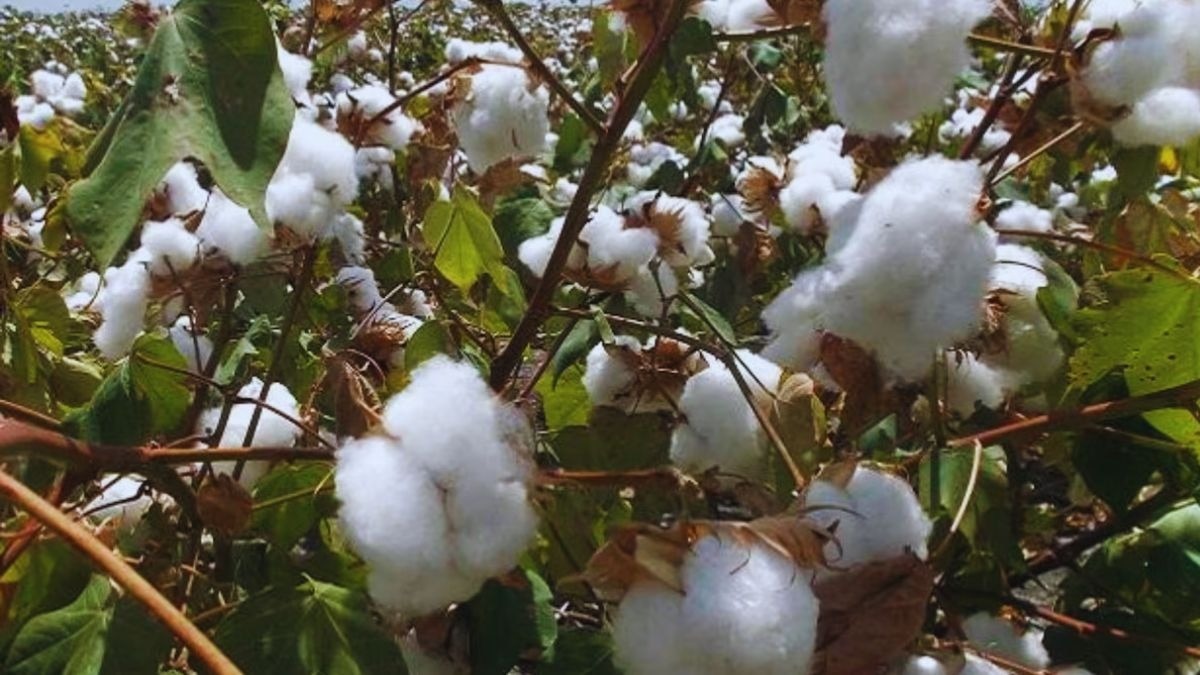
Agreement targets domestic cotton price discovery
The Cotton Association of India and the National Commodity and Derivatives Exchange have signed a memorandum of understanding aimed at strengthening India’s cotton futures market. The agreement was signed in Mumbai on Thursday by NCDEX Managing Director and Chief Executive Officer Vikas Goyal and CAI President Vinay N. Kotak, according to Kisan Tak.
The two organizations intend to develop a cotton futures market that is more transparent, accessible and useful to participants across the value chain. CAI will contribute its experience in cotton futures trading, while NCDEX will provide technology, institutional capacity and expertise in commodity derivatives.
The initiative is intended to serve farmers, traders, textile manufacturers and exporters. A more active domestic futures market could provide clearer forward price signals, make buying and selling easier and give commercial participants a mechanism for reducing their exposure to fluctuations in cotton prices.
Representatives attending the signing included Cotton Corporation of India Chairman and Managing Director Lalit Kumar Gupta, NCDEX board members and members of CAI’s board and committees, Kisan Tak reported. Their participation reflects the range of institutions involved in India’s cotton market, from procurement and exchange infrastructure to private trade and processing.
Reducing reliance on overseas benchmarks
Kotak said India is both a major cotton producer and buyer, but many domestic businesses continue to depend on overseas markets to manage price risk. CAI argues that a strong and dependable futures market within India would allow companies to hedge closer to the physical market in which they purchase cotton and operate textile facilities.
According to Kotak, futures markets perform three main functions: price discovery, protection against price movements and reduction of commercial risk. They can also improve market liquidity by making transactions easier. For these benefits to reach the wider industry, however, CAI says farmers, traders, textile companies and exporters will all need to participate actively.
Goyal said cotton is an important part of India’s agricultural economy, but its domestic futures market is not yet as strong as it should be. NCDEX expects its partnership with CAI to help deepen that market, although the announcement did not provide a timetable for new contracts, specify delivery locations or set participation targets.
Those operational details will be important for market adoption. A futures contract must reflect commonly traded grades, credible quality standards and practical delivery arrangements if its prices are to remain closely connected to physical cotton transactions. Sufficient trading volume will also be necessary for producers, mills and exporters to enter or exit hedging positions efficiently.
Potential benefits for farmers and textile exporters
CAI expects stronger price discovery to help farmers form a better view of the value of their crop. More visible futures prices could provide an additional reference during planting, storage and sales decisions, particularly when spot-market conditions are changing. The agreement itself does not guarantee higher farm-gate prices, but CAI believes a better-functioning market can support improved price realization and income.
For textile manufacturers and exporters, the main benefit would be greater protection against increases or declines in raw-cotton prices. Mills that can hedge their input costs may be better placed to plan procurement, calculate margins and quote prices to customers. Exporters could also use domestic contracts to reduce the risk that cotton-price movements erode margins between receiving an order and delivering finished goods.
Kisan Tak reported that the partnership could support India’s goal of reaching $100 billion in textile exports by 2030. The agreement is therefore being presented as part of a broader effort to make the cotton and textile sector more self-reliant. Its commercial impact will ultimately depend on whether the exchange attracts sustained participation and builds a price benchmark trusted by farmers, traders, processors and exporters.