BYD Starts Deliveries of 37.5 Million Won Sealion 6 DM-i in South Korea
BYD has begun delivering the Sealion 6 DM-i plug-in hybrid in South Korea at 37.5 million won. The pricing puts fresh competitive pressure on Korean automakers as the Chinese brand expands beyond battery-electric vehicles.
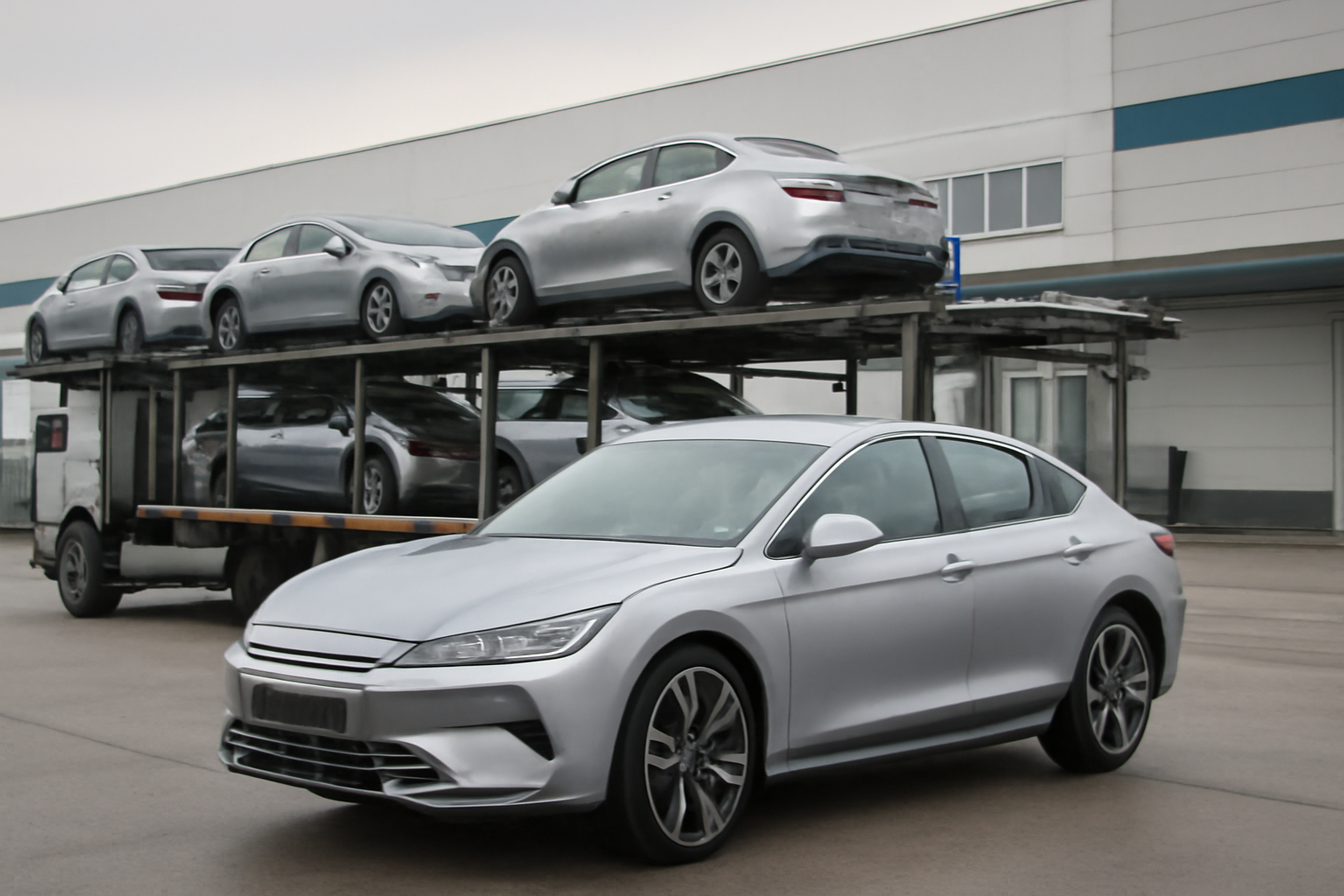
BYD moves into South Korea’s plug-in hybrid segment
BYD has started deliveries of the Sealion 6 DM-i in South Korea, extending its push into the country’s passenger-car market beyond battery-electric vehicles. Maeil Business Newspaper reported that the plug-in hybrid electric vehicle is priced at 37.5 million won, placing it in the 30 million won range that featured prominently in the model’s local launch.
The Sealion 6 DM-i is positioned as a plug-in hybrid with driving characteristics closer to an electric vehicle. That distinction matters in a market where buyers may want electric driving without relying exclusively on charging infrastructure. It also gives BYD a way to address motorists who are not yet ready to move to a fully electric vehicle while retaining the technology-focused positioning associated with the brand.
Pricing raises pressure on domestic manufacturers
The 37.5 million won price is the central competitive element of the launch. According to Maeil Business Newspaper, Korean vehicles could not be sold at an equivalent price, underscoring the cost pressure the new model may create for domestic manufacturers. The comparison is particularly relevant because BYD is already attracting attention in South Korea with electric vehicles positioned around value for money.
For Korean automakers, the Sealion 6 DM-i adds another point of competition alongside fully electric Chinese models. The pressure is not limited to headline vehicle prices. A lower entry price can affect how manufacturers configure equipment, position comparable sport utility vehicles and structure consumer incentives. Dealers may also face more direct comparisons between domestic models and a Chinese plug-in hybrid presented as an electric-oriented vehicle.
BYD broadens its potential customer base
Maeil Business Newspaper identified consumers in their 40s and 50s as important BYD buyers in South Korea. The customer profile suggests the brand is reaching experienced car owners rather than relying only on younger early adopters. For the Sealion 6 DM-i, that group may be especially relevant because a plug-in hybrid provides a bridge between conventional powertrains and fully electric cars.
The vehicle was presented at the Busan Mobility Show before deliveries began. Its commercial launch now tests whether the attention generated by BYD’s value-oriented electric cars can carry over to plug-in hybrids. The result will be watched by automakers, dealers and component suppliers assessing how quickly Chinese brands can establish themselves in South Korea.
A test of Chinese brands’ expansion strategy
The launch does not by itself establish BYD’s long-term market share, and no sales-volume target was provided in the available material. It nevertheless broadens the competitive field. BYD can now approach South Korean consumers with both electric vehicles and a plug-in hybrid, reducing its dependence on a single powertrain category.
For the wider market, the key question is whether the 37.5 million won price converts interest into sustained deliveries. If it does, Korean manufacturers may need to respond through pricing, specifications or additional electrified models. The Sealion 6 DM-i therefore represents more than a single model introduction: it is an early measure of whether Chinese automakers can use cost-competitive electrified vehicles to build a durable position in South Korea.