Buyers Register 686,000 Tonnes of Argentina’s 2026/27 Corn
Exporters have registered 686,000 tonnes of Argentine corn for the 2026/27 season, an unusually early move as buyers seek alternative feed-grain supplies. Argentina enters this period with competitive prices, a large exportable surplus and projected stocks well above the recent average.
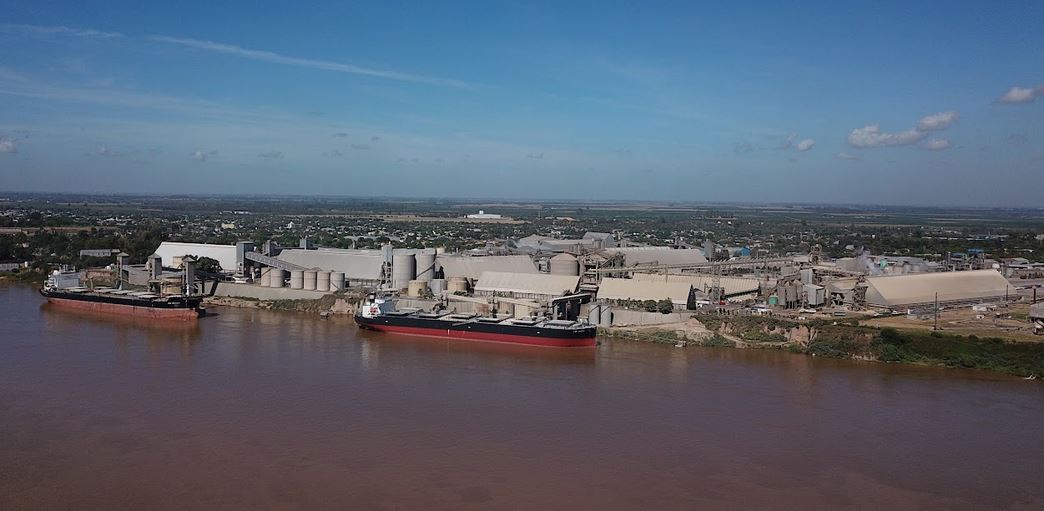
Sales registered well before the new season
Exporters have already registered shipments covering 686,000 tonnes of Argentine corn from the 2026/27 crop, according to Bichos de Campo. The registrations come well before the marketing season begins in March 2027 and indicate that international buyers are moving early to secure feed-grain supplies amid uncertainty over production and logistics.
The total includes 376,000 tonnes entered through Argentina’s sworn export sales declaration system, known as DJVE, for shipment in July 2027. Bichos de Campo described the timing as unprecedented. Export commitments this far ahead usually expose traders to greater price, supply and execution risks, but they can also provide early demand signals to farmers deciding how much corn to plant.
Black Sea disruption redirects demand
Production failures and what the publication called a logistical blackout in the Black Sea are supporting international corn prices and encouraging buyers to examine alternative origins. The disruption matters beyond corn because importers can substitute among several feed ingredients depending on price, quality and availability. A reduction in reliable Black Sea supply can therefore redirect demand toward exporters able to offer large volumes and credible shipment schedules.
Argentina is positioned to capture part of that demand. The Rosario Board of Trade estimates the country’s exportable corn supply at 43.5 million tonnes in the 2025/26 cycle. Of this amount, 34.3 million tonnes have already been registered. That leaves a substantial volume available while traders are beginning to originate grain for the following season.
Large stocks support Argentina’s offer
The 2025/26 campaign is expected to close with stocks of 10.7 million tonnes, according to figures cited by Bichos de Campo. This would be more than three times the five-year average of 3.5 million tonnes. The inventory provides a sizeable buffer for domestic users and exporters, although carrying such a large stock also increases financing and storage requirements.
Argentine corn remains competitive in the spot export market. Reference free-on-board prices at Rosario, based on data published by the Agriculture Secretariat, show a gap of about $20 per tonne against Brazilian corn at Paranaguá. The source describes Rosario prices as firm and competitive, without specifying which origin held the price advantage. The comparison remains important for buyers choosing between South America’s two main corn suppliers.
Exporters pay for future availability
Prices being negotiated indicate that exporters do not urgently need nearby corn. Their stronger interest lies in securing physical supply for 2026/27 shipments. Offers for those positions are above the theoretical purchasing capacity derived from official FOB prices, suggesting that exporters are prepared to pay a premium to build coverage for already emerging demand.
The price spread for carrying old-crop corn into the new-crop period is also attractive. Bichos de Campo calculates an annualized return above 13%, compared with annual interest of 7.0% to 7.5% on guaranteed exchange-traded promissory notes in the MAV for the same period. This difference may encourage holders with adequate storage and financing to postpone sales rather than release grain immediately.
For producers, the early registrations improve forward visibility but do not eliminate crop or price risk before planting and harvest. For exporters, the main challenge will be matching long-dated commitments with physical origination and logistics. International buyers gain another source of coverage, while Argentina has an opportunity to turn its large supply and stocks into additional market share if it can deliver the contracted volumes on schedule.