Buryatia sends over 14,000 tonnes of rapeseed meal to China
Russia’s Buryatia exported more than 14,000 tonnes of rapeseed meal to China from the start of the year through August 1. Shipments increased 21% year on year, while the region also supplied 294 tonnes of sunflower meal to Mongolia.
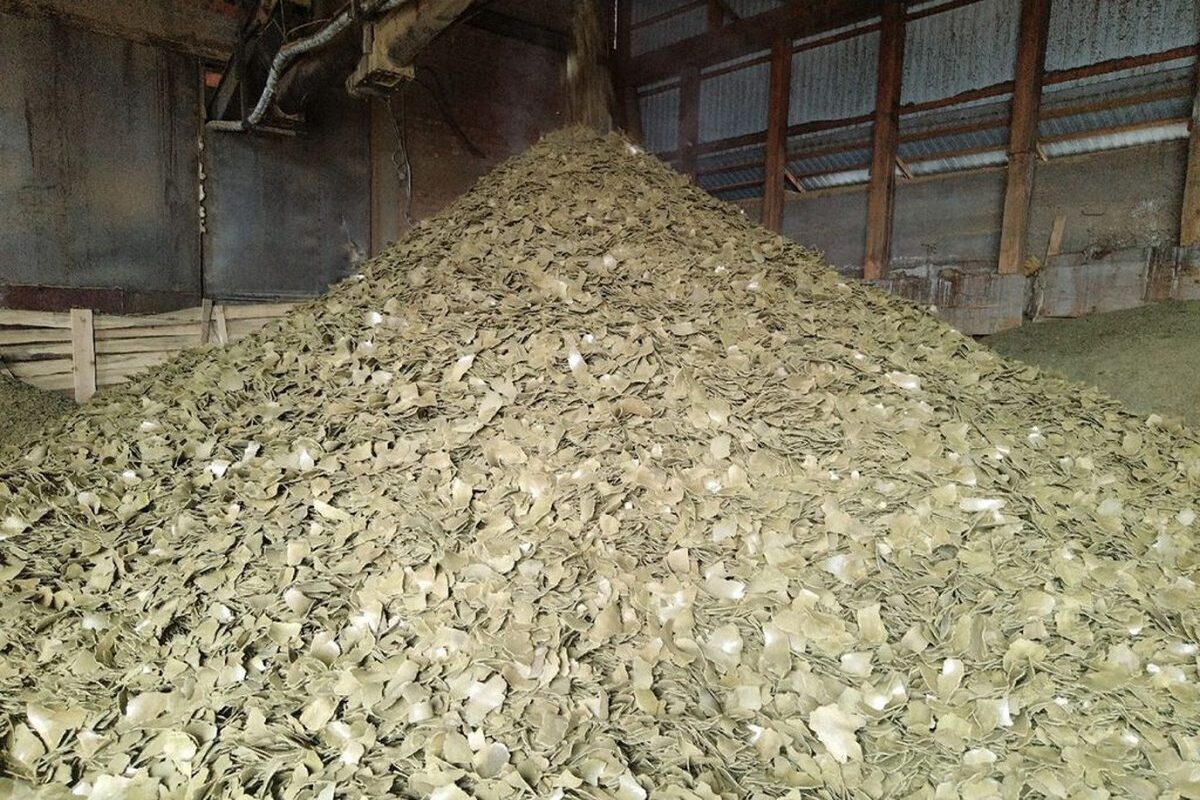
Rapeseed meal shipments rise 21%
Russia’s Republic of Buryatia exported more than 14,000 tonnes of rapeseed meal to China between the beginning of the year and August 1, according to MK in Ulan-Ude. The publication cited the interregional office of Rosselkhoznadzor, Russia’s agricultural supervision authority, for the Irkutsk Region and Buryatia.
The reported volume was 21% higher than shipments during the same period of the previous year. The figures show that rapeseed meal accounted for the overwhelming majority of the oilseed-processing by-products identified in the report, making China the principal destination for this trade from Buryatia during the period.
Rapeseed meal is produced after oil is extracted from rapeseed and is used as a feed ingredient. For processors, sales of meal provide an outlet for a by-product of crushing operations. For livestock and feed businesses in the destination market, the product adds another source of plant-based feed material.
Consignments meet Chinese requirements
All rapeseed meal dispatched to China complied fully with the importing country’s phytosanitary standards, the report said. Compliance is a practical condition for maintaining access to the Chinese market, because plant-origin cargoes must satisfy the requirements applied by the destination country.
The Rosselkhoznadzor data cover shipments through August 1 rather than a complete calendar year. The 21% comparison therefore relates to the corresponding period of the previous year. Neither the publication nor the supervisory authority figures cited in the report disclosed the precise volume for that earlier period, the value of the cargoes, their prices, the number of consignments or the companies involved.
The available data consequently indicate growth in physical volume but do not establish whether exporters’ revenue or margins increased at the same pace. Freight costs, contract prices and processing economics would also affect the commercial result, but no such indicators were included in the source material.
Sunflower meal trade with Mongolia expands
Buryatia also increased shipments of sunflower meal to Mongolia. Exports of that product reached 294 tonnes from the beginning of the year through August 1, according to MK in Ulan-Ude.
The sunflower meal flow was much smaller than the reported rapeseed meal volume sent to China. Nevertheless, it broadens the region’s customer base for processed oilseed products and gives local suppliers a second neighboring destination. The two flows also serve different bilateral markets: China received rapeseed meal, while Mongolia received sunflower meal.
For processors and traders, the central signal is the combination of higher rapeseed meal tonnage and confirmed phytosanitary compliance. Continued access will depend on exporters maintaining the standards required by importing countries. The report did not provide forecasts for the remainder of the year, so the full-year volume and the durability of the current growth rate remain undetermined.