Burkina Faso lifts four-year ban on millet, maize and sorghum flour exports
Burkina Faso has reopened exports of millet, maize and sorghum flour after suspending them in February 2022. The decision restores regional market access for millers while making domestic supply and prices the key risks to monitor.
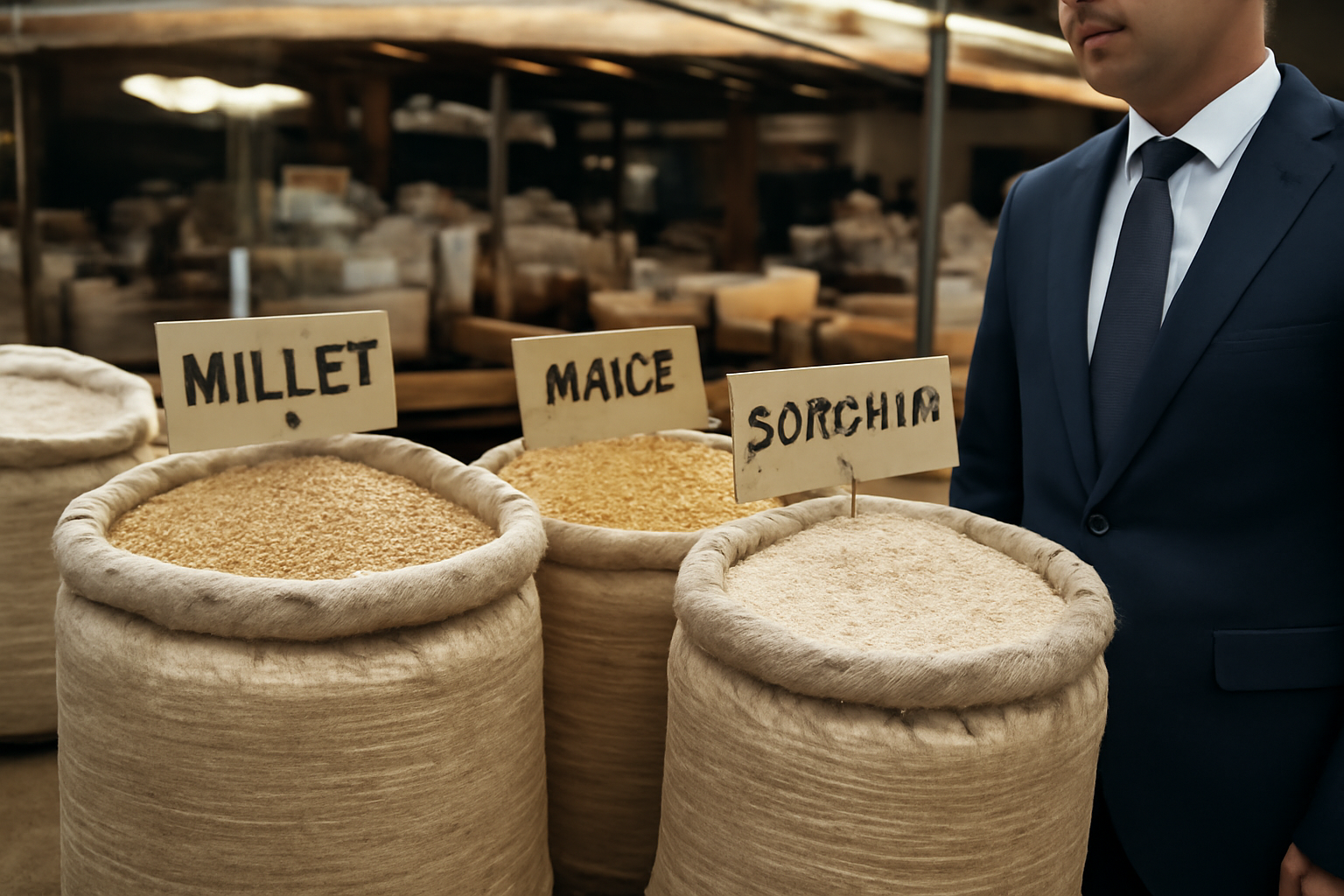
Export suspension ends after four years
Burkina Faso has lifted its suspension on exports of millet, maize and sorghum flour across the country, reopening an outlet that had been closed for more than four years. APA News reported that the government ended the measure introduced on 23 February 2022. The new decision took effect from the date on which the official notice was signed.
The announcement directly affects millers, grain traders and distributors serving markets beyond Burkina Faso. It does not specify export volumes, destination countries, quotas or licensing conditions. The immediate commercial impact will therefore depend on how exporters obtain the required documentation, the availability of flour and the price difference between domestic and regional markets.
A restriction rooted in food-security pressure
The original controls were introduced during a period of tight cereal availability. Agence Ecofin reported in April 2022 that the authorities had prohibited cereal exports to preserve domestic supplies and curb price increases after weak production in 2021. At the time, the country faced an estimated cereal deficit of about 450,000 tonnes after 450,000 hectares of farmland were abandoned because of deteriorating security and insufficient rainfall.
Controls remained an active part of food-market policy in subsequent years. In August 2023, the government made an exceptional allowance for shipments of millet, maize, sorghum and cowpea grain exclusively to Niger. Agence Ecofin described that decision as an exception to the broader restriction, reflecting Niger's dependence on neighbouring West African suppliers for staple cereals.
More room for local processors
The reopening comes after measures intended to support domestic flour production. In September 2024, Burkina Faso granted a tax exemption for locally produced wheat, maize, sorghum and other cereal flour. Agence Ecofin said the measure could lower millers' tax costs and encourage private investment in processing. That same month, a baby-food flour plant with a production capacity of 12 tonnes per day was inaugurated in Ouagadougou, using cereals, soybean, millet, pulses and oilseeds produced by local farmer organisations and associations.
Burkina Faso has also used import controls to manage the milling market. The government suspended wheat-flour imports in April 2024. Agence Ecofin reported that the country had imported more than 12,400 tonnes of wheat flour worth over $5.5 million in 2022, mainly through re-exports from Côte d'Ivoire, Ghana and Togo. In 2023, wheat-flour purchases rose by 31% to 16,360 tonnes, while wheat imports increased by 26% to more than 270,000 tonnes. The country imports almost all the wheat it consumes.
Allowing exports of locally produced millet, maize and sorghum flour gives processors a chance to serve regional buyers without reversing the policy support directed at domestic milling. It can also create additional demand for locally grown grain. The balance will depend on whether flour exports expand faster than production and domestic supply. For producers and processors, the reopening offers a larger market; for consumers and authorities, flour availability and prices remain the central indicators.