Burkina Faso launches second agropastoral offensive for 2026-2028
Burkina Faso has launched a new phase of its farming, water and fisheries program for 2026-2028. The government is also suspending imports of flour and related foods to support sales of domestic production.
Second phase targets priority supply chains
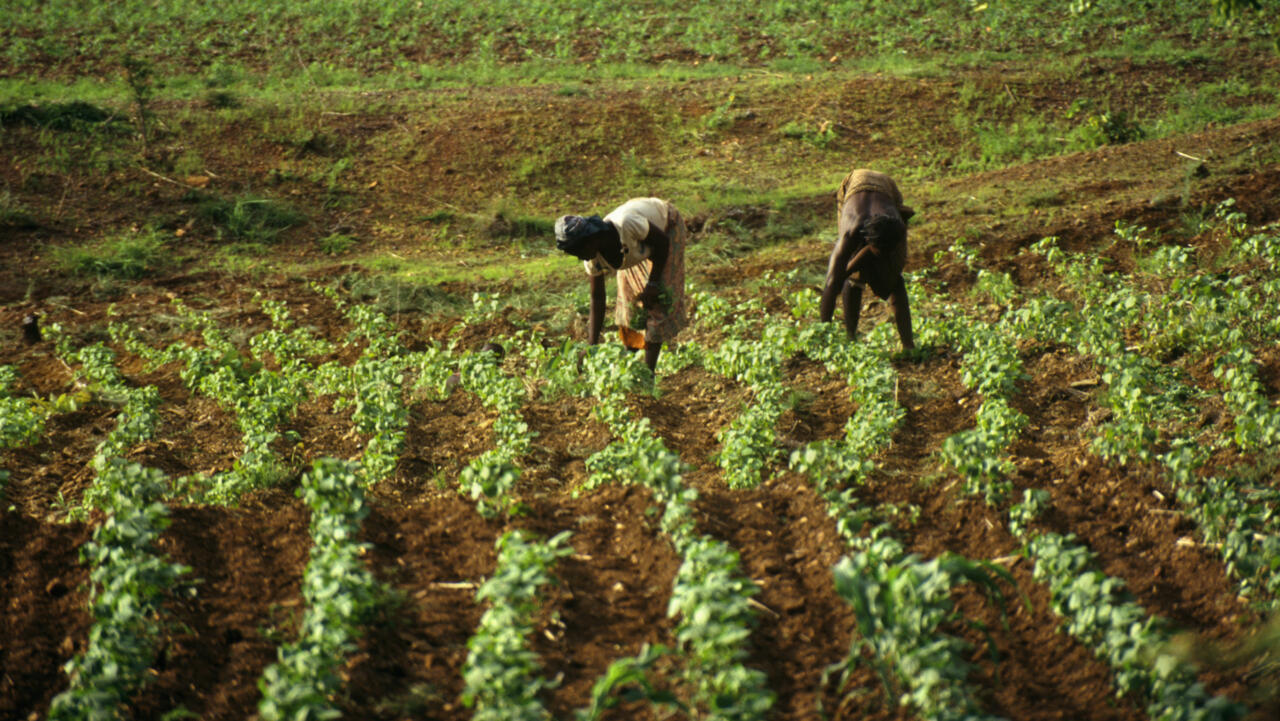
Burkina Faso has launched the second phase of its agropastoral, water and fisheries offensive, extending the government program into 2026-2028. The initiative follows a first phase conducted between 2023 and 2025, when the authorities sought to raise agricultural, livestock and fish production and improve domestic food availability.
The new phase will focus on eight priority supply chains: rice, milk, soybean, sesame, groundnut, wheat, cassava and shea. Six additional sectors are designated for consolidation, including potato, livestock, fish and poultry. Another six are classified as emerging industries, with rabbit, sunflower and plantain among the examples identified by the government.
The selection covers staple foods, animal protein and export-oriented crops. Rice, wheat and cassava are important to domestic food supply, while sesame and shea connect Burkinabe producers with regional and international markets. Expanding these chains will require more than farm output: storage, processing, cold-chain capacity and reliable transport will determine how much production reaches consumers and commercial buyers.
Government reports higher output and lower maize prices
Official data cited by RFI show that Burkina Faso produced more than 7 million tonnes of cereals between 2023 and 2025. The country also recorded more than 1.8 million tonnes of paddy rice, more than 18 million poultry birds and approximately 58,000 tonnes of fish during the period.
Amos Kiénou, executive secretary of the government offensive, said at a press conference that a sack of maize currently costs no more than CFA20,000. He compared that level with previous prices of CFA35,000 to CFA40,000. The figures indicate a substantial easing in the price reported for one of the country’s main staples, although the source did not specify sack weight or regional price differences.
For producers, greater volumes can improve national availability but may also put pressure on farmgate prices if storage and processing capacity fail to grow at the same pace. For processors and traders, lower raw-material prices could improve sourcing conditions. The commercial effect will depend on crop quality, collection costs and the ability to move goods from producing areas to urban markets.
Flour-related imports suspended
Alongside the program’s relaunch, the government has suspended imports of flour and related products until further notice. Infant flour, couscous and semolina are among the products covered. In a joint statement, the ministries responsible for agriculture, trade and health said the measure was intended to support sales of domestically produced flour.
Traders that had already started import procedures will receive a two-month grace period. The transition window gives importers limited time to complete existing operations, but the indefinite suspension will subsequently redirect demand toward local millers and food manufacturers. Import-dependent distributors will need to review supply contracts and assess whether domestic producers can provide the required volumes, specifications and delivery schedules.
The import measure links agricultural policy directly with market access for local processors. Its effect will depend on whether domestic milling capacity can absorb more grain while maintaining consistent prices and quality. The broader 2026-2028 program faces the same operational test: reported production gains must be matched by collection networks, warehouses, processing plants and transport services if Burkina Faso is to convert higher output into stable supplies and sustainable producer income.