Bulog plans premium rice expansion as Indonesia weighs a single SPHP price
Bulog is preparing to convert part of Indonesia’s government rice reserve into premium rice, subject to government approval. The agency is also proposing a nationwide warehouse price of Rp11,000 per kilogram for medium SPHP rice as policymakers address regional price gaps and rising retail prices.
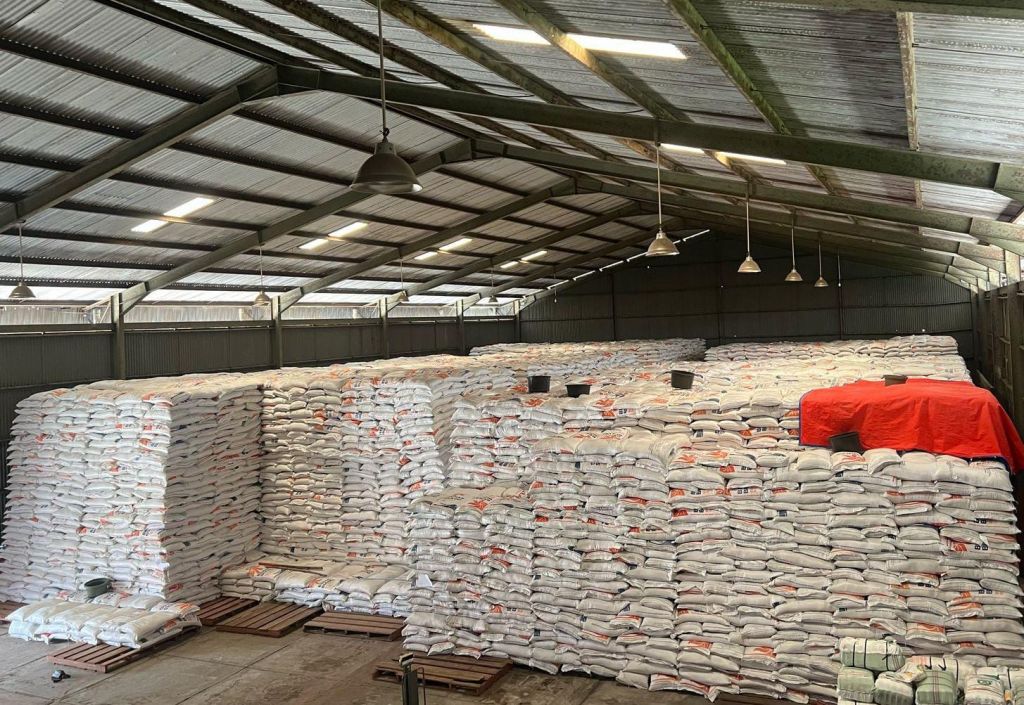
Reserve conversion awaits government approval
Indonesia’s state logistics agency Bulog is preparing to convert part of the government rice reserve, known as CBP, into premium rice in an effort to increase supply and keep consumer prices affordable. Bulog President Director Ahmad Rizal Ramdhani said the plan still requires approval at a limited coordination meeting under the Coordinating Ministry for Food Affairs.
According to ANTARA, the government held more than 5 million tonnes of rice in the CBP when the proposal was announced. The coordination meeting, initially planned for August 6, 2026, was rescheduled for August 10. Bulog said it had production capacity ready if the government authorized the conversion, but neither the volume to be processed nor the implementation timetable had been specified.
Premium output targets modern retail and traditional markets
Bulog currently produces about 21 tonnes of premium rice per day for Jakarta and approximately 300 tonnes per day nationwide, ANTARA reported. Additional output would be distributed through modern retailers and traditional markets across Indonesia. The program is intended to widen access to higher-grade rice while offering an alternative to more expensive private brands.
At a modern retailer in Jakarta’s Radio Dalam district, Bulog’s Punokawan and Befood Sentra Ramos brands carried a maximum retail price of Rp74,500 for a 5-kilogram pack. ANTARA reported that this was about Rp20,000 below Anak Raja rice at Rp94,500 per 5 kilograms and more than Rp50,000 below Topi Koki at Rp126,900. The comparison illustrates the price range within the premium segment, although it reflects one inspected retail location rather than the national market.
Single-price proposal faces logistics test
Alongside the premium-rice initiative, Bulog plans to propose a uniform warehouse-release price of Rp11,000 per kilogram for medium rice sold through the Food Supply and Price Stabilization program, or SPHP, from Sabang to Merauke. Implementation remains subject to a government decision. The proposal follows National Food Agency Regulation No. 3 of 2026, which allows Bulog a margin of up to 7% to cover functions including storage, handling, financing and distribution.
Katadata reported that Indonesia currently applies maximum retail prices for medium rice across three zones: Rp13,500 per kilogram in Zone I, Rp14,000 in Zone II and Rp15,500 in Zone III, which includes Maluku and Papua. Premium and medium rice are regulated separately; medium rice may contain up to 25% broken grains, while premium rice has a maximum broken-grain content of 15%.
Economists cited by Katadata questioned whether a single warehouse price would resolve the cost of final delivery in Indonesia’s remote and island regions. CORE Indonesia economist Eliza Mardian said a nationwide price would require carefully calculated cross-subsidies. Prakarsa economist Bintang Lutfi noted that the proposed Rp11,000 price applies at the warehouse rather than at retail and would reduce the reference for Maluku and Papua by only about Rp500 per kilogram without addressing last-mile transport.
Market enforcement remains central
Katadata said the national average price of medium rice reached Rp14,489 per kilogram at the end of July, about 7% above the applicable maximum retail price, with increases recorded in 155 regencies and cities since February. Rice accounts for 21.10% of the poverty line in urban areas and 24.62% in rural areas, according to figures cited by the publication. For producers, millers and retailers, the policy could create a larger state-backed premium channel. For consumers and regional distributors, its effect will depend on how much reserve rice is converted, whether SPHP selling prices remain fixed and who absorbs the logistics costs outside Bulog’s warehouses.