Bulog Channels Up to 75,000 Tonnes of Premium Rice a Month Into Indonesian Modern Retail
Indonesia's state logistics agency Perum Bulog is supplying premium rice to modern retail chains in 13 cities, preparing volumes of up to 75,000 tonnes a month. The intervention follows complaints that premium rice has become scarce and expensive on shelves despite high national stocks, with the government also cancelling an import of 380,000 tonnes of broken rice.
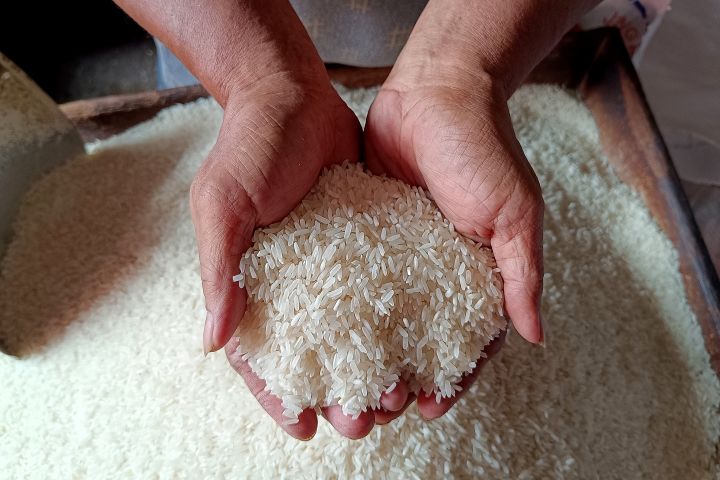
Perum Bulog, Indonesia's state food logistics agency, is channelling premium rice into modern retail chains in the country's largest cities, an intervention aimed at closing the gap between ample national stocks and scarce, expensive rice on supermarket shelves. The agency has prepared as much as 75,000 tonnes of premium rice per month for that channel, according to metrotvnews.com and Fortune Indonesia.
Bulog President Director Ahmad Rizal Ramdhani said the distribution is directed at urban consumers. "This distribution is directed at ensuring that people in various large cities and urban areas can obtain premium rice easily," he said in Jakarta, as quoted by Antara and reported by metrotvnews.com on Wednesday, 9 September 2026.
Distribution reaches 13 cities
Bulog's premium rice has so far reached Jakarta, Makassar, Surabaya, Sidoarjo, Bojonegoro, Semarang, Klaten, Solo, Salatiga, Bandung, Karawang, Subang and Kupang, metrotvnews.com reported. The list covers the main consumption centres of Java together with Makassar in South Sulawesi and Kupang in East Nusa Tenggara.
Rizal said the programme will not stop at those locations. "Going forward, Bulog will also continue to expand the supply of this premium rice to various cities across Indonesia," he said.
Full warehouses, thin shelves
The distribution push comes against a backdrop of political pressure over the mismatch between reported stock levels and consumer prices. Johan Rosihan, a member of the House of Representatives, criticised the rise in rice prices despite high stocks and asked the government to trace the supply chain and ensure prices remain affordable for consumers, news.detik.com reported.
Indonesian reporting attributes the scarcity of premium rice in retail to a mismatch between the government's maximum retail price, known as the HET, and upstream costs. When the ceiling does not cover the cost of paddy, milling and packing, commercial packers have little incentive to keep premium grades on supermarket shelves, leaving state supply to fill the gap.
Import cancelled, market operations prepared
The retail programme is one element of a broader package. According to Fortune Indonesia, the government is pushing both premium and medium rice into modern retail, has cancelled an import of 380,000 tonnes of broken rice, and is preparing market operations alongside distribution under the SPHP price stabilisation scheme of up to 1 million tonnes.
- Up to 75,000 tonnes of premium rice a month through modern retail chains
- An import of 380,000 tonnes of broken rice cancelled
- Market operations plus SPHP distribution of up to 1 million tonnes
Police checks move into producing districts
Enforcement attention has extended beyond the retail end of the chain. Kombes Pol Egy Andrian Suez, a senior policy analyst in the special economic crimes division of the National Police Criminal Investigation Agency (Bareskrim Polri), inspected prices and rice availability at the Pangkajene market in Sidrap Regency, South Sulawesi, on Wednesday, makassar.tribunnews.com reported.
For millers, packers, traders and retailers, the operative questions are how long Bulog can sustain a monthly flow of that size through modern retail, and whether the price ceiling is revised to bring commercial volumes back onto the shelves. The cancellation of the 380,000-tonne broken rice purchase also removes a tranche of demand that suppliers had expected to serve, shifting the burden of price stabilisation onto domestic stocks rather than imports.