Bulog Enlists 868 Rice Mills to Expand Premium Supply Across Indonesia
Indonesia’s Bulog has distributed about 60,000 tonnes of premium rice and is working toward a 300,000-tonne target by December 2026. The state food company is engaging 868 mills and supplying modern retailers nationwide to address tight availability and rising premium-rice prices.
Nationwide deliveries reach 60,000 tonnes
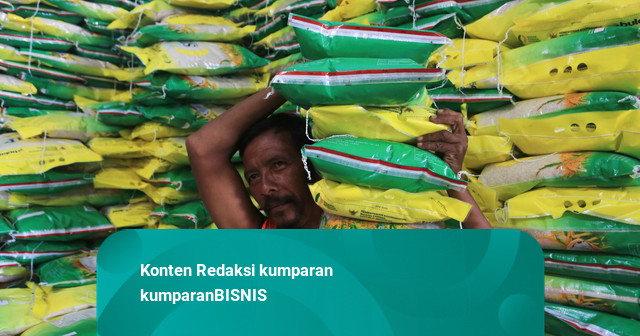
Indonesia’s state food company Perum Bulog has distributed about 60,000 tonnes of premium rice to modern retail outlets as it moves to ease tight availability and price pressure in the premium segment. Bulog President Director Ahmad Rizal Ramdhani said the rice had reached minimarkets and supermarkets across the country, from Sabang to Merauke.
Kumparan reported that the volume was delivered against an initial distribution plan of 110,000 tonnes. The publication described the program as a response to higher prices and shortages of premium rice in the market. The detailed allocation comprises 75,000 tonnes of premium rice for modern retailers and markets covered by Indonesia’s SP2KP basic-needs monitoring system, together with 35,000 tonnes of medium-grade rice.
Bulog has secured orders and distribution cooperation from a broad group of retailers, including PT Indomarco Prismatama, PT Megah Daya Inti, PT Inti Cakrawala Citra, PT Sumber Alfaria Trijaya, PT Lion Super Indo, PT Swalayan Sukses Abadi, PT Matahari Putra Prima, PT Tip Top Supermarket, PT Midi Utama Indonesia and PT Hero Retail Nusantara.
868 mills support a larger target
The program is being expanded following an instruction from National Food Agency head and Agriculture Minister Andi Amran Sulaiman to add 300,000 tonnes of rice to modern retail supply. Republika reported that Bulog is aiming to distribute 300,000 tonnes of premium rice by December 2026 and has engaged around 868 rice mills to help reach that volume.
The network is not limited to major processors. According to Ahmad Rizal Ramdhani, Bulog is also working with small and medium-sized mills capable of producing premium-grade rice. Using facilities in multiple regions is intended to widen the company’s sourcing base and accelerate deliveries to markets across Indonesia.
Republika said the approximately 60,000 tonnes already supplied were delivered within two weeks. Reaching 300,000 tonnes would therefore require Bulog to maintain procurement, processing and retail logistics on a much larger scale through December.
Commercial procurement remains separate from subsidized stocks
Bulog said the premium rice is a commercial product rather than rice obtained through its public service obligation, or PSO, operations. The company purchases commercially produced paddy from farmers, processes it into premium rice and then markets the finished product through modern retailers. The program therefore does not draw on subsidized rice stocks.
This distinction matters for farmers, millers and retailers. Commercial paddy purchases create an additional outlet for agricultural supply, while the participation of 868 mills spreads processing demand beyond the largest operators. Retail chains gain a nationwide source of packaged premium rice at a time when availability in that market segment has come under pressure.
Quality controls accompany faster distribution
Bulog said its premium rice undergoes laboratory testing before reaching the market. It is also preparing a consumer complaint channel through its BELA service, with contact information to be printed on product packaging.
Andi Amran Sulaiman has said Indonesia is not facing a general shortage of rice because overall availability remains sufficient. The intervention is instead focused on the supply of premium rice in modern retail channels. For market participants, the key issue will be whether Bulog and its milling partners can convert adequate national rice availability into consistent volumes of premium-grade product, while preserving quality and delivering the targeted 300,000 tonnes by December 2026.