Bulgarian and Turkish processors set to compete for Romania’s sunflower crop
Bulgarian and Turkish processors are expected to compete for Romania’s new sunflower crop, according to Agri.bg. The rivalry could strengthen Romanian farmers’ negotiating position and redirect oilseed volumes across the regional market.
Regional buyers target the Romanian crop
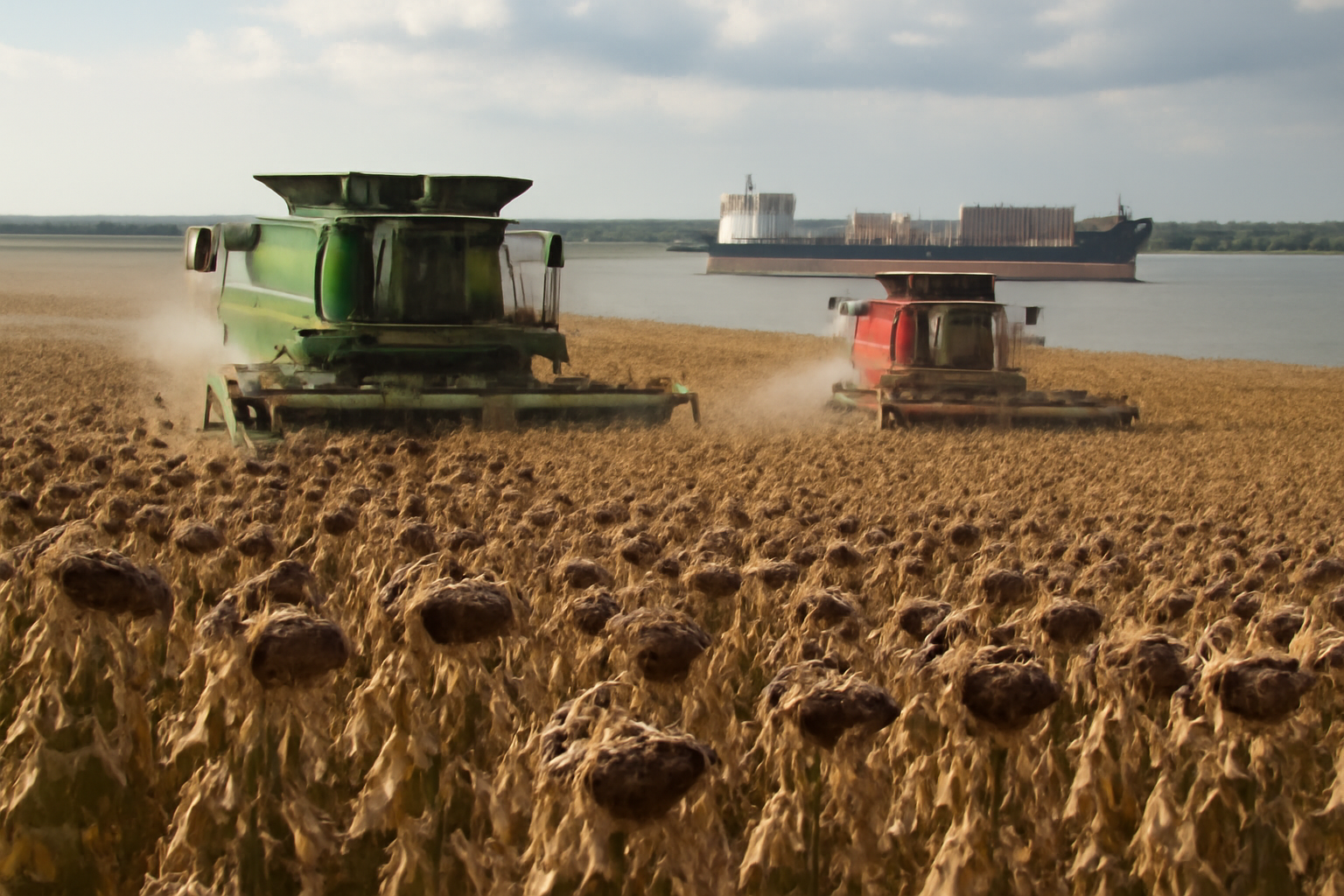
Bulgarian and Turkish processors are expected to compete for sunflower seed from Romania in the new season, creating a more contested regional market for the oilseed. Agri.bg reports that Romanian farmers could benefit from the rivalry as buyers seek access to the country’s crop.
The report provides no estimates for the size of the Romanian harvest, prospective purchase volumes or prices. It nevertheless points to an important commercial dynamic: processors in two neighboring markets are expected to pursue the same source of raw material. Competition at the farm gate and in wholesale channels could therefore become a significant factor in Romanian selling decisions.
For farmers, a larger group of active buyers can improve the ability to compare bids, delivery terms and timing. Producers may have more options when deciding whether to sell directly after harvest or retain seed while monitoring demand. The eventual benefit will depend on crop availability, quality requirements and the practical terms offered by individual processors.
Processors face a contest for supply
Sunflower seed is the essential feedstock for crushing plants producing sunflower oil and meal. When processors compete for the same crop, procurement conditions can affect plant utilization, raw-material costs and margins. Bulgarian and Turkish buyers will need to balance the need to secure seed against the commercial risk of paying prices that are difficult to recover in processed-product markets.
The competition may also influence where Romanian sunflower is delivered. Buyers must account for transport, storage and delivery schedules alongside the headline purchase price. A higher nominal bid is not necessarily the strongest offer if logistics are costly or payment and quality conditions are less favorable. Romanian sellers will therefore compare the full value of contracts rather than price alone.
Domestic Romanian processors are also exposed to the contest, even though the Agri.bg report focuses on interest from Bulgaria and Turkey. If foreign buyers secure more seed, local plants may face greater procurement pressure. If Romanian processors respond with competitive terms, farmers could gain another source of demand and the crop could remain more widely distributed among regional crushing facilities.
Trade flows could shift with buying activity
The direction of regional sunflower trade will depend on which buyers translate interest into contracts and physical deliveries. Stronger purchasing by Bulgarian processors would pull more Romanian seed toward Bulgaria, while successful Turkish procurement would direct volumes toward Turkey. The source material does not quantify either potential flow, so the final balance remains uncertain.
The timing of purchases will matter. Early contracting can provide processors with greater supply visibility, while delayed farmer selling can keep buyers competing for available lots. Quality specifications may separate offers as the season develops, particularly where processors require seed suited to particular crushing programs.
For traders, the emerging contest increases the importance of monitoring bids across Romania, Bulgaria and Turkey rather than viewing each national market in isolation. Changes in buying interest in one country may quickly affect the availability of seed and commercial terms elsewhere in the region.
Farmers gain leverage, but outcomes remain open
Romanian growers appear best placed to benefit if Bulgarian and Turkish demand remains active at the same time. More competing outlets can support negotiation, but the scale of the advantage cannot be assessed without harvest, price and procurement data.
The central question for the new season is whether the reported interest becomes sustained purchasing. Processors must secure enough raw material for their plants, while farmers must decide when and under what conditions to sell. That interaction will determine how Romania’s sunflower crop is divided among domestic, Bulgarian and Turkish buyers.