Bulgarian grape growers threaten protests as strong harvest meets weak demand
Bulgarian grape growers say a good harvest has collided with insufficient buyer demand and competition from imported grapes, must and wine. Producers excluded from this year’s de minimis aid scheme are seeking clearer state-support rules and warning that unresolved pressures could trigger protests.
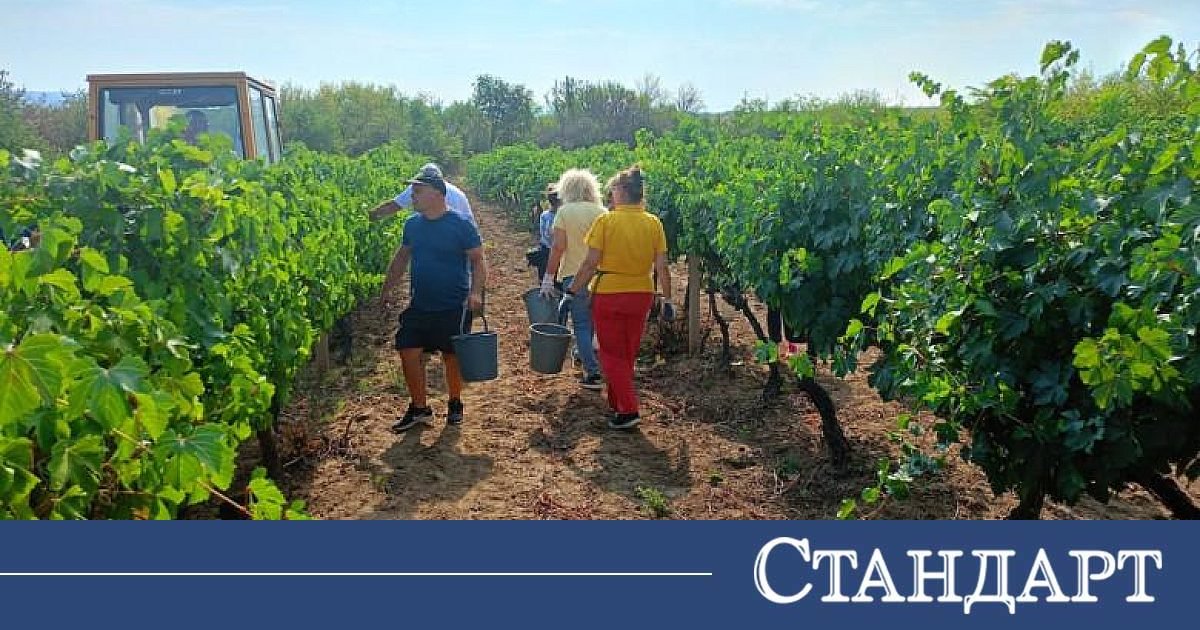
Strong harvest exposes shortage of buyers
Bulgarian grape growers are warning that part of this year’s crop could remain unharvested as a strong harvest meets limited demand from buyers. The grape harvest is already in full swing, but producers in the Pleven area say the availability of fruit has not translated into a reliable market, according to Standart News, citing reporting by bTV.
Grower Dimitar Haralampiev, from the village of Gorni Dabnik, described the sector as seriously and systematically neglected. He said vineyards face pressure in both poor and favorable seasons: drought and hail reduce output in difficult years, while good growing conditions can produce more grapes than the market is prepared to absorb.
The immediate risk is heightened by the perishable nature of the crop. Grapes cannot simply be stored in vineyards until market conditions improve. If growers cannot harvest and sell them within the required period, the fruit will be lost, leaving producers to carry cultivation costs without corresponding revenue.
Imports intensify competition for wineries
Growers identify imports of grapes, grape must and finished wine as a central source of pressure. They argue that products entering Bulgaria from neighboring countries benefit from subsidies that are not available on comparable terms to local vineyards, making it difficult for Bulgarian production to compete on price.
Organic grape producer Albena Simeonova, from the Nikopol area, told bTV that tankers carrying grape must pass through the region on their way to wineries. She identified Romania, Moldova, North Macedonia and Greece as origins of imported products. No import volumes, prices or subsidy rates were provided in the source material.
The dispute therefore extends beyond competition for fresh grapes. Imported must can affect demand from Bulgarian wineries during the harvest, while lower-priced foreign wine competes with domestic output further down the value chain. Simeonova said imported wines are common in restaurants and tourist complexes, limiting market access even after Bulgarian grapes have been purchased and processed locally.
Producers fear that persistent displacement by imported raw material could undermine the viability of vineyards themselves. Their concern is that weak purchasing during a productive season may discourage continued cultivation, particularly when growers remain exposed to weather-related losses in less favorable years.
Exclusion from state aid fuels dispute
The market pressures have been compounded by the exclusion of wine-grape growers from Bulgaria’s de minimis state-aid scheme this year, Standart News reported. Atanas Vasilev, chairman of the National Association of Bulgarian Vine Growers, said the sector had effectively never received such support except during a period when assistance was extended across all agricultural sectors.
Representatives of the industry met the Ministry of Agriculture about a month and a half before the report and presented their concerns. According to Vasilev, officials indicated that a way to support growers would be sought once the budget and eligibility arrangements became clear. Producers learned about a month later, however, that the available funds had been directed to other agricultural sectors.
The growers say they are not asking for preferential treatment. They want the ministry to publish clear criteria explaining why some agricultural producers qualify for assistance while others do not. The dispute centers on equal treatment between sectors at a time when vineyards face both a time-sensitive surplus and competition from imported products.
Growers raise prospect of protests
Industry representatives are now warning that farms could face serious financial pressure unless the government responds with measures to support the sector and create what growers regard as more equitable competitive conditions. They have not announced a protest date or specified the policy measures they expect beyond transparent aid criteria and action addressing market access.
Growers nevertheless say they are prepared to protest if the problems remain unresolved. The threat places pressure on the government during the harvest, when delays in finding buyers can quickly turn a market imbalance into physical crop losses. For wineries and traders, the central questions are whether local purchasing increases before the harvest window closes and how imported grapes, must and wine continue to shape procurement decisions.