Bulgaria’s tobacco area and contracted volumes rise in 2026
Bulgaria registered 8,568 tobacco growers in 2026, while cultivated area increased by just over 10% to 45,295 decares. Contracted volumes rose by nearly 13% to 7,278,940 kilograms, although operational data put expected crop production at 2,890 tonnes.
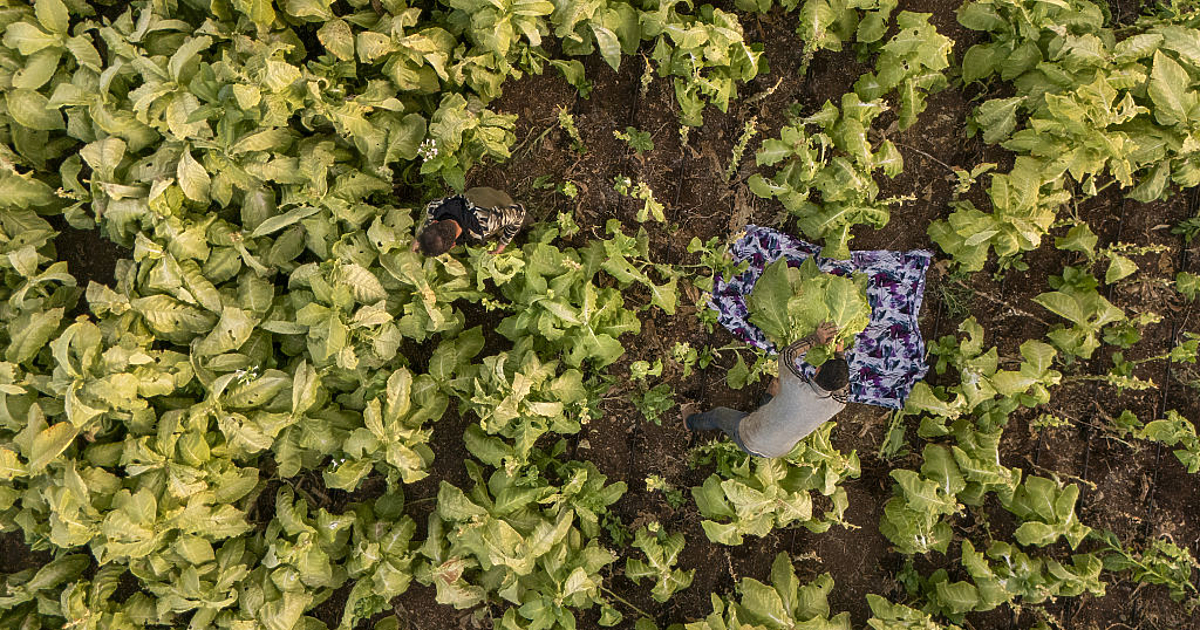
Grower numbers and planted area increase
Bulgaria’s tobacco sector expanded its registered grower base, cultivated area and contracted volumes in 2026, according to figures presented at a meeting of the Tobacco Advisory Council at the Ministry of Agriculture and Food. The meeting was chaired by Deputy Agriculture Minister Yanislav Yanchev.
News.bg reported that the number of registered growers reached 8,568, an increase of 237 from the 8,331 recorded in 2025. Cultivated area rose from 41,100 decares to 45,295 decares, a gain of 4,195 decares, or just over 10%. Tobacco is being grown in 18 regions of Bulgaria.
Contracted tobacco volumes increased from 6,448,756 kilograms in 2025 to 7,278,940 kilograms in 2026. The increase exceeded 830,000 kilograms and was close to 13%, outpacing the percentage growth in both grower numbers and cultivated area. For processors and buyers, the figures indicate a larger volume secured through contracts for the 2026 season.
Oriental tobacco remains the largest category
Operational data cited by both News.bg and Darik Business Review put expected production from the 2026 crop at 2,890 tonnes, with an average yield of 128 kilograms per decare. The source material does not reconcile this production forecast with the substantially higher contracted volume, so the two figures should not be treated as directly equivalent measures of the crop.
Oriental tobacco accounts for the largest reported varietal area at 1,690 hectares. Virginia follows with 432 hectares and Burley with 355 hectares. This composition keeps Bulgaria’s production concentrated in oriental leaf, while the two larger-leaf groups provide additional supply for domestic processors and commercial buyers.
Yanchev described the rise in producer numbers as a positive signal and said tobacco growing remained important to the economies of several Bulgarian regions. Tsvetan Filev, chairman of the National Association of Tobacco Growers 2010, characterized the data as evidence of stability in the sector and emphasized cooperation between public institutions and industry organizations.
Support policy moves to the center of the outlook
The expansion comes as Bulgaria prepares for negotiations over the European Union’s Common Agricultural Policy for 2028-2034. The ministry said it would continue pressing for member states that have used transitional national aid for tobacco to retain access to that instrument in the next programming period. Bulgaria has already submitted specific proposals intended to preserve that option.
More intensive discussions are expected to begin in the autumn, with the period from October 2026 to February 2027 identified as critical. The outcome matters for growers because the aid provides a basic level of support in a labor-intensive sector with strong regional importance. The 2026 figures show a broader production base, but future planting decisions will also depend on the policy framework, contracted demand and the sector’s ability to translate additional area into marketable output.