Bulgarian grapes left on the vine as cheap wine imports crush prices; growers declare strike readiness
Bulgaria's grape harvest is delivering a good crop, but dozens of decares are being left unpicked because purchase prices do not cover harvesting costs. Producers blame bulk and bottled wine imports from Spain, Italy and France priced at 60 to 70 euro cents per litre, and have declared strike readiness.
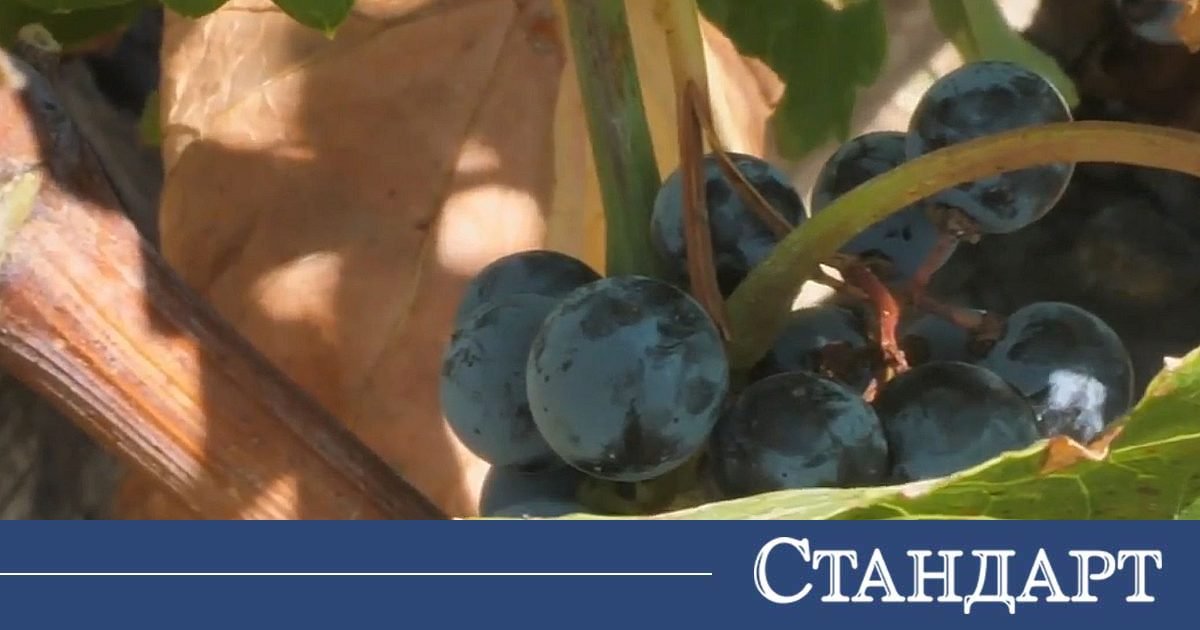
Bulgaria's grape harvest is in full swing with a good crop and quality that growers describe as strong, yet dozens of decares of vineyards are being left unpicked because there is either no buyer or the price offered does not cover the cost of harvesting, bTV reported. Cellars are full of unsold wine, Bulgarian brands are losing ground both abroad and on the domestic market, and the industry has formally declared strike readiness.
A good crop that cannot find a buyer
The situation is described as particularly paradoxical in the Veliko Tarnovo region, where producers report high quality grapes and expect a high yield. The constraint has shifted from the vineyard to the market: the question is no longer how much the vines will produce, but whether the output will be sold at all, according to Standart.
White grapes that found no outlet are still hanging on the vine. Atanas Vasilev, executive director of Vinprom - Svishtov and chairman of the National Association of Bulgarian Vine Growers, said that at current purchase prices growers see no reason to enter their own plots, because the cost of the picking itself is hard to cover.
Imported wine at 60 to 70 euro cents a litre
Demand for Bulgarian wine has fallen for another consecutive year, and the sector links this directly to imports from the large European producers. "Over the past two to three years there has been no such demand for Bulgarian wines, and this is driven by excessive imports," Vasilev told bTV, pointing to Italian and French wine and a sharp increase in bulk wine.
France, Spain and Italy set the benchmark, with Spain the most aggressive on price. "At such prices, even if we run against them, we cannot catch them - 60 to 70 euro cents per litre of wine," Vasilev said. The same pressure is felt downstream: wineries report difficulty selling what they have produced, with domestic labels losing positions on international markets while competition from Italy, France and Spain intensifies inside Bulgaria.
Costs near 600 euros per decare against 21 euros of support
Growers pay for cultivation, plant protection products, fuel, machinery and workers, with no guarantee that the grapes will be bought at a price covering the outlay. The key figures cited by the sector:
- annual support for vine growers of about 14 euros per decare, according to Stanimir Stoyanov, chairman of the Union of Oenologists and executive director of LOVIKO - Suhindol;
- a promised so-called "Ukrainian aid" payment of 21 euros per decare;
- real production costs that producers put at around 600 euros per decare (one decare equals 0.1 hectares);
- imported wine offered at 60 to 70 euro cents per litre.
Stoyanov described viticulture as one of the least supported branches in the country. Producers argue that the gap between the aid and their cost base shows how hard it is for the sector to stay competitive against other European states.
Labour, unregulated wine and the sector's demands
Labour is the second squeeze. Pickers are increasingly difficult to find and daily wages are rising, said winery owner Dimitar Dimov, who contrasted this with neighbouring countries: in Greece and Romania vine growers are exempt from social security contributions, with the state supporting this temporary seasonal employment.
A further drag comes from unregulated trade. Stoyanov said unregistered home wine production still exists in Bulgaria and that this output is sold and traded under the "homemade" label.
The industry is pressing for stronger state measures. "When we finish the campaign, we have declared strike readiness, and it will be such that attention is paid to our sector and we move in the right direction," Vasilev warned. Stoyanov said the state and producers have to work together if Bulgarian viticulture and winemaking are to remain competitive. Ideas under discussion include a lower VAT rate for Bulgarian wines served in restaurants and tax relief for other locally produced foods, alongside stronger backing from restaurants, the tourism sector and consumers themselves.