Bulgarian glass supply chain launches national recycling platform
Glass packaging producers, recyclers, waste operators, municipalities and brands have formed Close the Glass Loop Bulgaria. The platform will develop a national action plan to improve collection volumes, cullet quality and coordination across the supply chain.
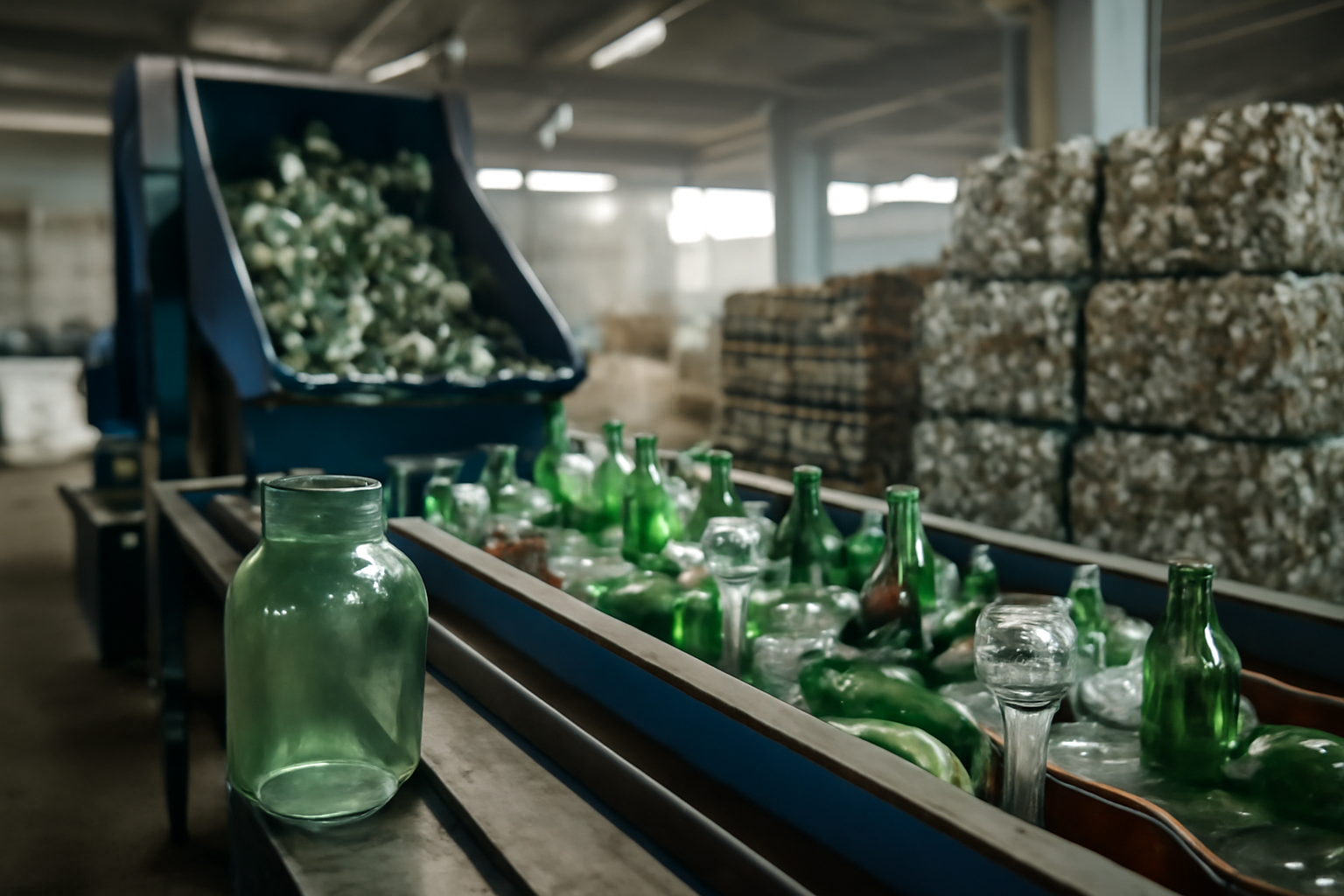
Supply chain forms common platform
Companies and organizations across Bulgaria's glass packaging supply chain have created Close the Glass Loop Bulgaria, a national platform designed to accelerate collection and recycling. According to bTV News, the initiative brings together extended producer responsibility organizations, glass manufacturers and recyclers, waste-management operators, municipalities, consumer brands and companies that fill glass containers.
The platform will provide a common framework for improving the circular use of glass packaging as Bulgaria develops its waste-management system and implements European objectives for packaging-waste prevention, separate collection and recycling. Its role will include coordinating action, exchanging technical knowledge and supporting innovation. The participants intend to identify weaknesses in the current system, agree on shared priorities and pursue measurable improvements in collection and recycling performance.
Collection rate reaches 84%
The initiative emerged from an international workshop held in Sofia on 16 September and jointly organized by Close the Glass Loop, ECOBULPACK Bulgaria and BA Glass Bulgaria. More than 50 experts and representatives of public institutions and businesses took part, covering the production, use, collection and recycling of glass packaging. They discussed the principal barriers and opportunities affecting the country's recycling results.
Close the Glass Loop data cited by ECOBULPACK representative and initiative coordinator Georgi Slavchev show that 84% of Bulgaria's glass packaging waste was collected for recycling in 2024. The new platform will use the workshop findings to prepare a national Close the Glass Loop action plan. Its focus will extend beyond raising collection volumes to improving the quality of the recovered glass supplied to recycling and manufacturing plants.
Participants identified several operational priorities: expanding and optimizing separate-collection systems, strengthening cooperation between municipalities and producer-responsibility organizations, improving monitoring and data collection, and increasing public participation. They also highlighted hotels and restaurants as an additional source of recoverable glass packaging. Better access to this commercial waste stream could increase the availability of cullet without relying exclusively on household collection.
Manufacturers seek more high-quality cullet
BA Glass, which operates two glass packaging plants in Bulgaria, is supporting the national initiative as part of the broader European Close the Glass Loop partnership. Marco Marques, the company's managing director for Southeast Europe, said every bottle collected for recycling represents a valuable resource for the Bulgarian glass industry. Using more high-quality recycled glass allows manufacturers to make new packaging with a lower carbon footprint while reducing their dependence on virgin raw materials.
The Sofia meeting also examined the implications of new European packaging legislation and recycling practices used in other European countries. Bulgarian partners will gain access to expertise, tools and operational examples developed by the wider Close the Glass Loop network, giving the national platform a basis for comparing collection systems and adopting proven measures.
Bulgaria is the 15th national platform in the Close the Glass Loop network, according to Vanessa Chesnot, FEVE's head of public affairs and product policy. The European initiative has set an ambition of reaching a 90% collection rate for glass packaging recycling across the European Union by 2030. Bulgaria's reported 84% rate places the country within six percentage points of that level, but the platform's emphasis on cullet quality shows that collection volume alone will not determine the industrial value of the system. Cleaner, better-sorted material can support local container production and reduce the need for primary inputs.