Bulgaria’s footwear industry shrinks as imports capture growing consumer demand
Bulgarian footwear production fell about 30% year on year in June even as domestic purchases increased during the summer months. The industry association says no more than 20 small footwear and leather-goods manufacturers remain, compared with more than 200 companies several years ago.
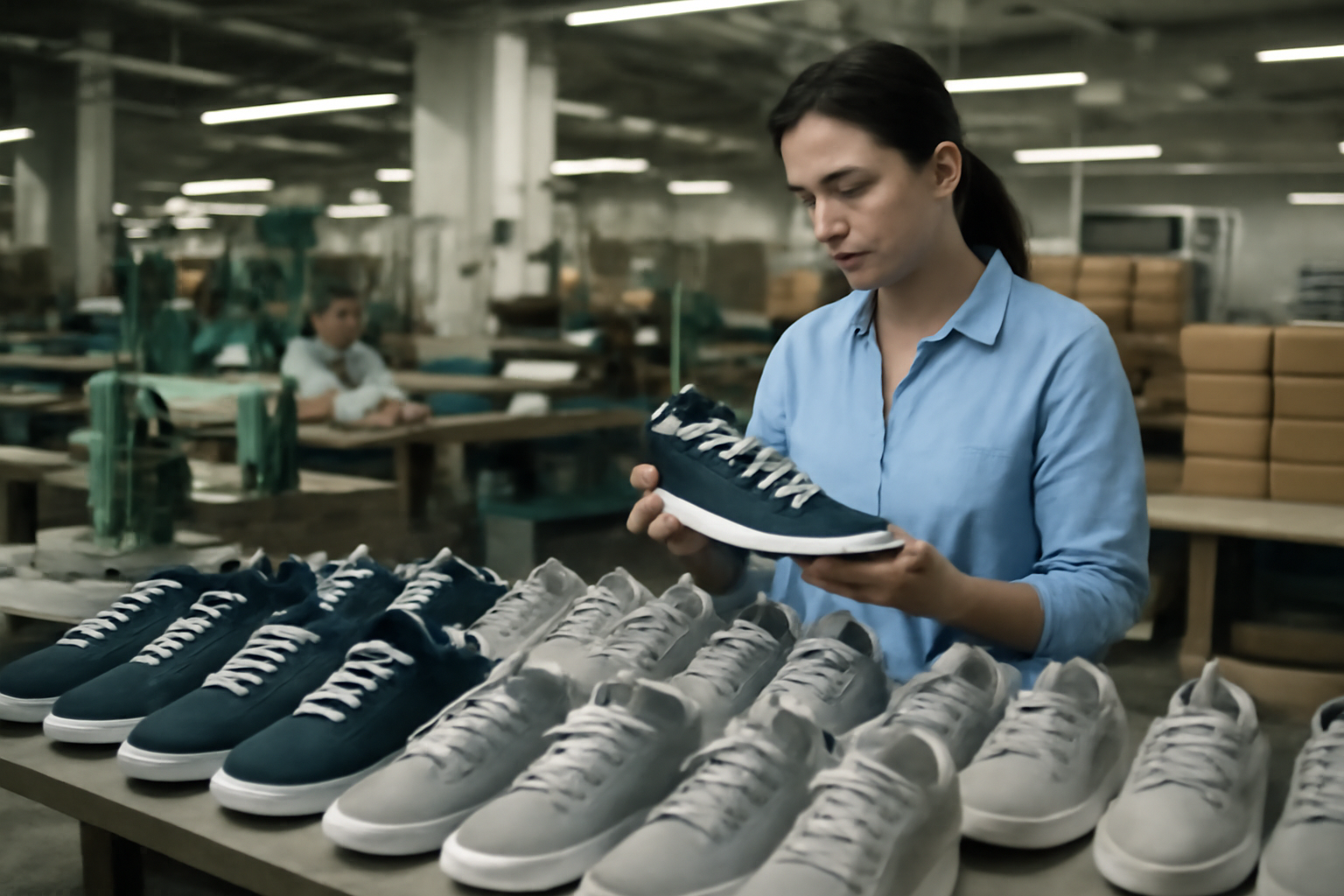
Production falls while footwear purchases rise
Bulgaria’s footwear and leather-goods industry is contracting despite continued consumer demand. Official data cited by Trud News show that domestic footwear production fell by about 30% in June compared with the same month a year earlier. The decline followed similar contractions in previous months.
At the same time, National Statistical Institute data for the summer months indicate that footwear purchases in Bulgaria increased from the corresponding period last year. The opposing trends suggest that imports are capturing a growing share of the domestic market while local factories lose production volumes. This creates pressure not only on footwear makers but also on Bulgarian suppliers of leather, chemicals and other production inputs.
Industry base falls from more than 200 companies to 20
Plamen Ivanov, chairman of Bulgaria’s leather, fur, footwear and leather-goods industry association, described the condition of the sector as critical. According to Ivanov, Bulgaria previously had more than 200 companies connected with footwear and leather-goods manufacturing. No more than 20 remain, and they are small businesses employing between 10 and 50 people.
Leather production has contracted even further. Ivanov said only two small leather producers remain in Gabrovo, each employing fewer than 10-15 people. The association estimates that Bulgaria could have no leather-producing enterprise left by the end of 2030. Such a loss would further reduce the country’s domestic supply chain and make the remaining footwear and accessories manufacturers more dependent on external materials.
Imported products face questions over materials and labels
Ivanov said some imported footwear marketed as natural leather contains synthetic linings or uppers combining synthetic material with only small natural-leather elements. He also alleged that some sellers of imported shoes, bags and belts attach “Made in Bulgaria” labels, misleading consumers about the products’ origin. He did not identify individual importers, brands or countries of supply.
The association argues that genuine leather shoes, bags, belts and gloves should cost at least three times as much as comparable artificial-leather products because their materials and production are more expensive. Ivanov said Bulgarian footwear prices remain too low when the cost of leather, chemicals and labor is considered, even though retail footwear prices have risen over the past two years.
Craft workshops offer no easy replacement for factories
The surviving Bulgarian manufacturers are focusing on higher-quality products, according to Ivanov, while locally made leather bags and belts continue to attract consumer interest. However, he cautioned against broad claims that Bulgarian footwear is inherently better than Turkish, German or Italian products, noting that synthetic imitation leather can be sold in every market.
Ivanov also rejected small custom workshops as a practical route to rebuilding capacity. Handmade, made-to-order footwear is too expensive and unprofitable in Bulgaria, he said, adding that earlier attempts to operate through this model had failed. The industry therefore faces a narrowing production base without an obvious small-scale substitute, while rising consumer demand increasingly benefits imported goods.