Britain Weighs Heavy Tariffs on Chinese Electric Vehicles, Opening Potential Space for India
Britain is considering heavy tariffs on Chinese-made electric vehicles as their presence in the country grows, according to News18 Hindi and Janta Se Rishta. Higher barriers could create openings for Indian vehicle, battery and component suppliers, although no tariff rate or timetable has been reported.
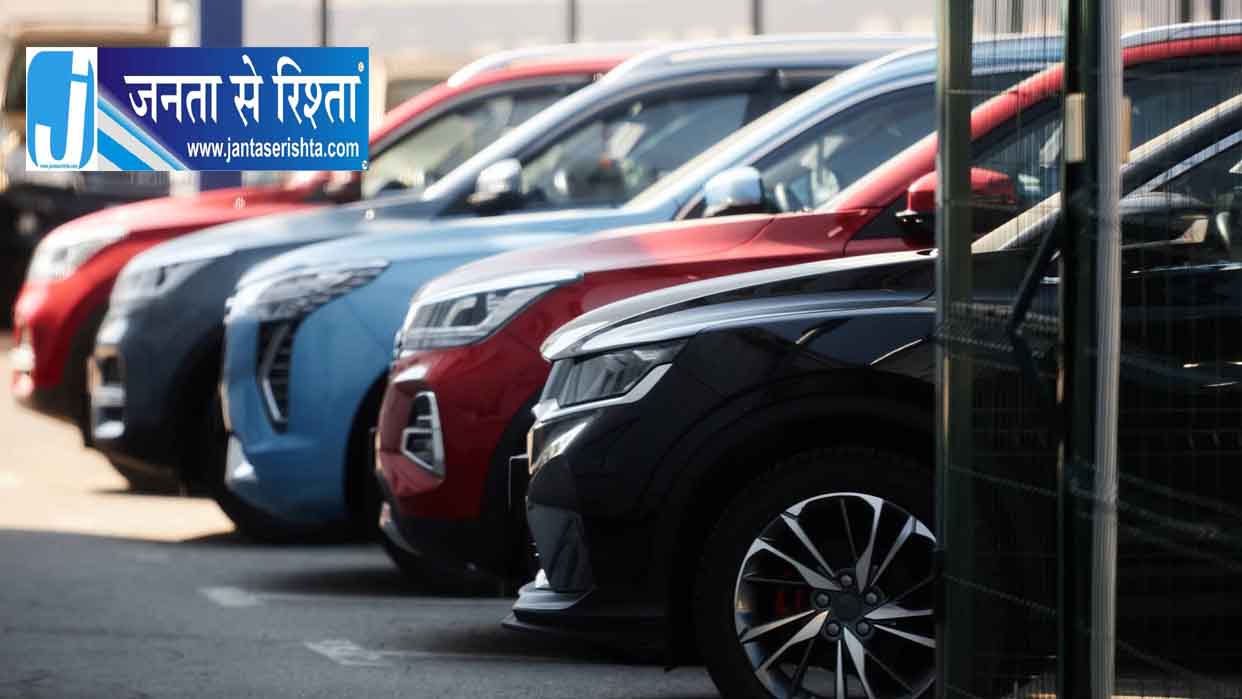
Britain considers a higher barrier
Britain is moving toward possible heavy tariffs on electric vehicles manufactured in China, according to reports by News18 Hindi and Janta Se Rishta. The reports describe the rapidly expanding presence of Chinese-made electric cars in Britain as a growing concern for the government. Neither report provides a proposed tariff rate, a formal implementation date or details of the vehicles that could be covered.
The reported preparations place Britain alongside other major markets that have already increased barriers against Chinese electric vehicles. News18 Hindi notes that Europe and the United States have raised duties on Chinese EVs. A British measure would further complicate access to several important automotive markets for manufacturers relying on production in China.
The immediate commercial effect would depend on the tariff level and the policy's scope. A broad duty on vehicles made in China could affect Chinese brands as well as international automakers using Chinese plants. A narrower measure could have a more limited impact. With no official rate or product coverage contained in the source material, the likely change in retail prices and import volumes cannot yet be quantified.
India sees an opening across the supply chain
Both reports frame the potential British action as an opportunity for India. The areas identified include electric-vehicle manufacturing, batteries, automotive parts and exports. If Chinese-made vehicles become less competitive in Britain, buyers and manufacturers could seek additional suppliers in countries that are not covered by the same trade restrictions.
The opening is not limited to fully assembled cars. Indian companies could pursue demand for batteries and components used by vehicle manufacturers serving Britain. Component suppliers may have a broader route to the market because they can sell to several automakers rather than depend on a single Indian vehicle brand establishing a British retail network.
However, a tariff on Chinese vehicles would not automatically transfer orders to India. Suppliers would still need to meet British technical, safety and commercial requirements, secure contracts and provide reliable volumes. Vehicle exporters would also need distribution and after-sales arrangements. The reports identify the potential sectors but do not name Indian companies, planned investments, supply agreements or expected export volumes.
Trade policy could reshape sourcing decisions
For Chinese manufacturers, another major tariff barrier would increase the importance of production location. Companies serving Britain could face a choice between absorbing the duty, raising prices, changing their product mix or supplying the market from facilities outside China. The outcome would also matter to British importers and dealers whose competitiveness depends on vehicle cost and availability.
For Indian manufacturers, the key question is whether the reported British plan becomes a defined policy with clear rates, coverage and timing. Those details would determine whether the opportunity is concentrated in complete vehicles, batteries or individual components. Until they are published, investment and sourcing decisions will be based on the prospect of market access rather than a confirmed cost advantage.
The reports nevertheless point to a wider shift in the electric-vehicle market. With Europe and the United States already raising duties and Britain considering its own response, access to large consumer markets is becoming more closely tied to where vehicles are manufactured. That could encourage automakers and suppliers to diversify production, giving India a possible role as an alternative manufacturing and export base.