Britain prepares deposit-return system for cans and plastic bottles
Britain is preparing a deposit-return system covering single-use beverage cans and plastic bottles across England, Scotland, Northern Ireland and Wales. The scheme will add a 20-pence deposit and aims to raise recycling from about 50% to 80–90%.
A nationwide system for 31 billion containers
Britain is moving toward a deposit-return system for single-use beverage cans and plastic bottles, a change that will affect producers, packaging suppliers, retailers, consumers and recycling operators. TV4 reports that the scheme is due to launch in October next year across England, Scotland, Northern Ireland and Wales, following a decision taken in 2023.
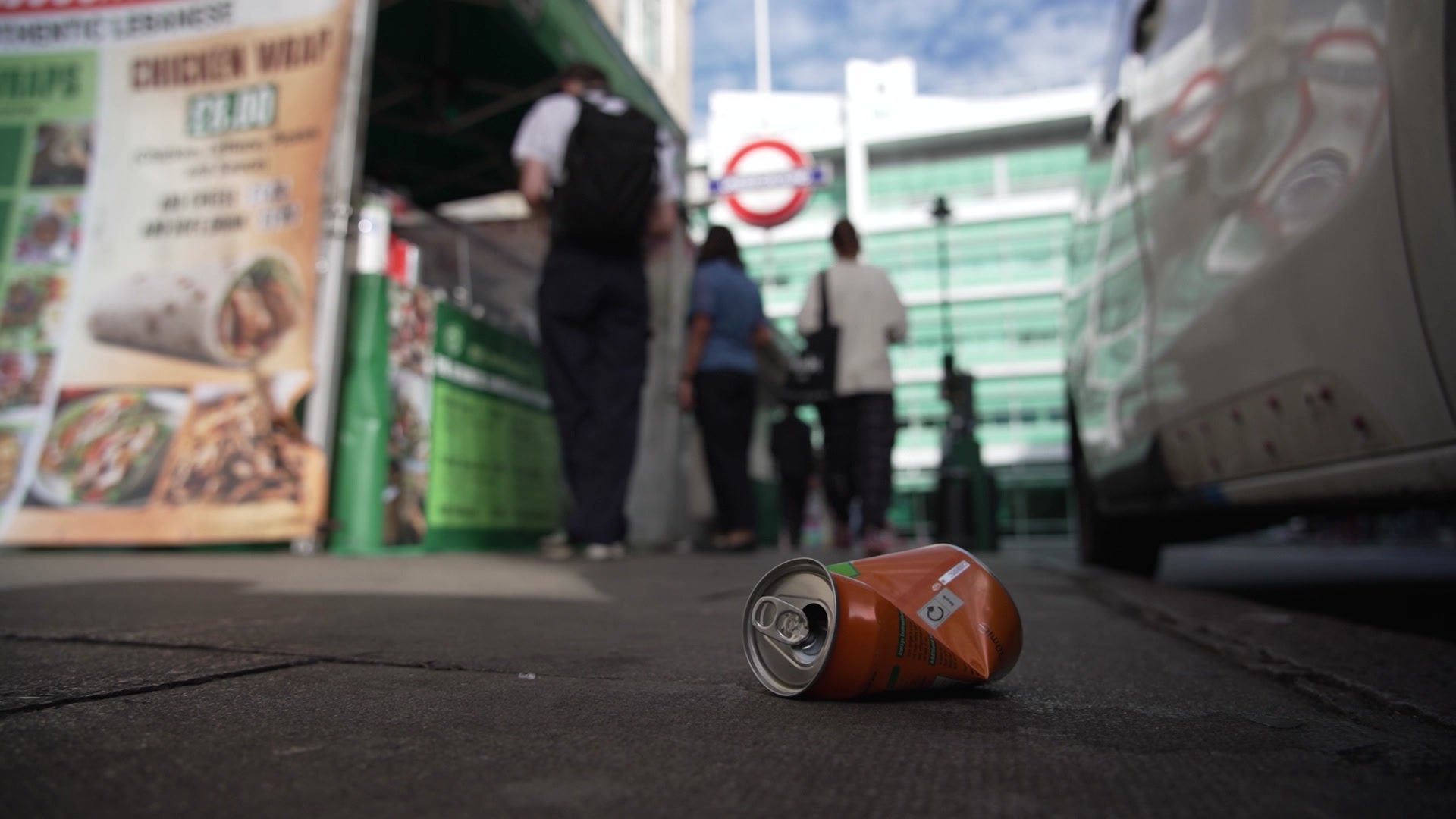
The scale of the project is substantial. According to figures cited by TV4 from the British government, about 31 billion single-use beverage containers are sold in Britain each year. The country has long operated without a dedicated return system, with plastic bottles and cans currently sorted alongside other household waste.
A 20-pence deposit to lift collection rates
Consumers will pay a deposit of 20 pence when purchasing a drink in an eligible single-use container. The money will be refunded when the bottle or can is returned. Henrik Malmquist, a member of the leadership team at the British organisation Exchange for Change, told TV4 that about 50% of these containers are recycled today. The new system is intended to raise that share to 80–90%, in line with rates achieved in comparable countries.
Sweden is among the markets studied by British organisers. Exchange for Change has examined international systems to identify successful practices, operational complications and possible solutions. However, Malmquist cautioned that Britain cannot be compared directly with smaller countries because of its much larger population. The volume of containers means that collection infrastructure, transport capacity, counting systems and processing operations will all need to handle material on a national scale.
Retail access will influence return volumes
The scheme will require changes throughout the beverage and packaging chain. Producers and importers will need to account for the deposit in product flows, while retailers will become central collection points. Recycling companies should receive larger volumes of separately collected material, potentially improving the availability and quality of recycled feedstock for new packaging. Malmquist described this as a benefit for industry, alongside the public objective of reducing litter in streets and natural areas.
Consumer participation remains the key operational uncertainty. London residents interviewed by TV4 expressed differing views: Erika Price noted that the deposit is returned when the container is handed back, while Robert John said the distance to a return point would influence whether 20 pence was enough motivation. This makes the density and convenience of collection locations commercially important. A system capable of reaching an 80–90% recycling rate will depend not only on the financial incentive but also on whether consumers can return containers during ordinary shopping trips.
A gradual adjustment for the supply chain
Malmquist said the transition would take time and would not happen overnight. Beverage companies, packaging suppliers and retailers must prepare for new handling, accounting and reverse-logistics requirements, while recycling operators must plan for a larger and cleaner stream of cans and plastic bottles. For market participants, the central shift is from mixed household collection toward a system in which beverage containers carry a defined value and move back through a dedicated recovery chain.