Brent crude falls about 5% as traders reassess Middle East supply risk
Brent crude dropped about 5% as traders evaluated whether continuing attacks in the Middle East would disrupt global crude supplies. The decline suggests the market is reassessing the immediate risk to physical availability rather than assuming that attacks will automatically cause a shortage.
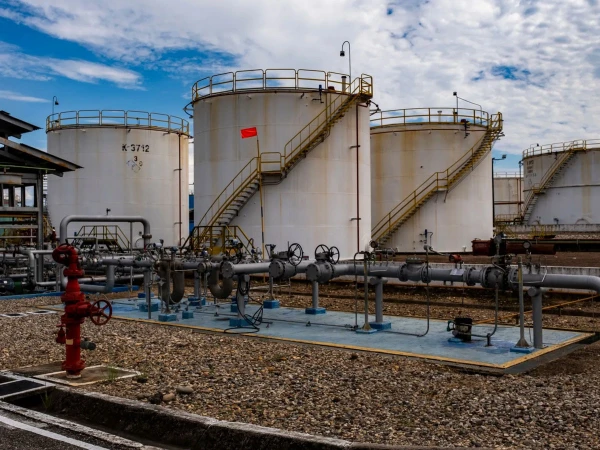
Brent records a steep decline
Brent crude, the international benchmark oil contract, fell about 5% as traders assessed the potential effect of continuing attacks in the Middle East on global crude oil supplies, Express News reported. The move marked a sharp reversal in a market where geopolitical developments can quickly alter expectations for production, transportation and the availability of cargoes.
The reported decline shows that traders were not pricing the existence of attacks alone. They were also examining whether the events would produce a measurable disruption to crude supply. That distinction matters because an escalation in political or military risk does not necessarily remove oil from the market. The effect on prices depends on whether production facilities, transport infrastructure or the movement of physical cargoes are actually constrained.
Physical supply remains the central question
For producers and processors, the key issue is whether the regional situation changes the amount of crude available to buyers. A confirmed interruption could affect refinery purchasing decisions and the cost of replacing delayed barrels. If supplies continue to move, however, part of the risk previously reflected in prices can recede as market participants revise their assumptions.
A drop of about 5% is material for refiners, traders and investors because Brent serves as a widely followed reference for crude pricing. Lower benchmark values can reduce the headline cost of feedstock purchases, although the actual price paid for a cargo also depends on its grade, location and delivery conditions. For producers, the same movement lowers the benchmark against which many sales are evaluated.
The decline also highlights the speed at which expectations can change. Traders must compare reports of attacks with evidence from the physical market. Without confirmed supply losses, risk-driven price gains can prove difficult to sustain. Conversely, evidence that crude production or transportation has been impaired could prompt another rapid adjustment.
Market participants monitor the next signals
Importers and refiners will be watching the reliability of deliveries as well as the benchmark price. A lower Brent quotation offers limited relief if buyers face delays or difficulty securing suitable crude. Traders, meanwhile, must judge whether the roughly 5% fall reflects improving confidence in supply or only a temporary response while the impact of the attacks remains under review.
The available report does not identify a specific production outage, affected facility or lost volume. That leaves the market focused on potential rather than confirmed supply damage. Until clearer information emerges, Brent is likely to remain sensitive to any evidence that changes the assessment of physical crude availability.