Brent rises above $88 as Iran-US tensions deepen fuel-cost concerns in India
Brent crude moved above $88 per barrel as military tensions between Iran and the United States intensified. Missile attacks, a warning from US President Donald Trump and concern about the Strait of Hormuz have increased the risk of higher costs for oil-importing countries, including India.
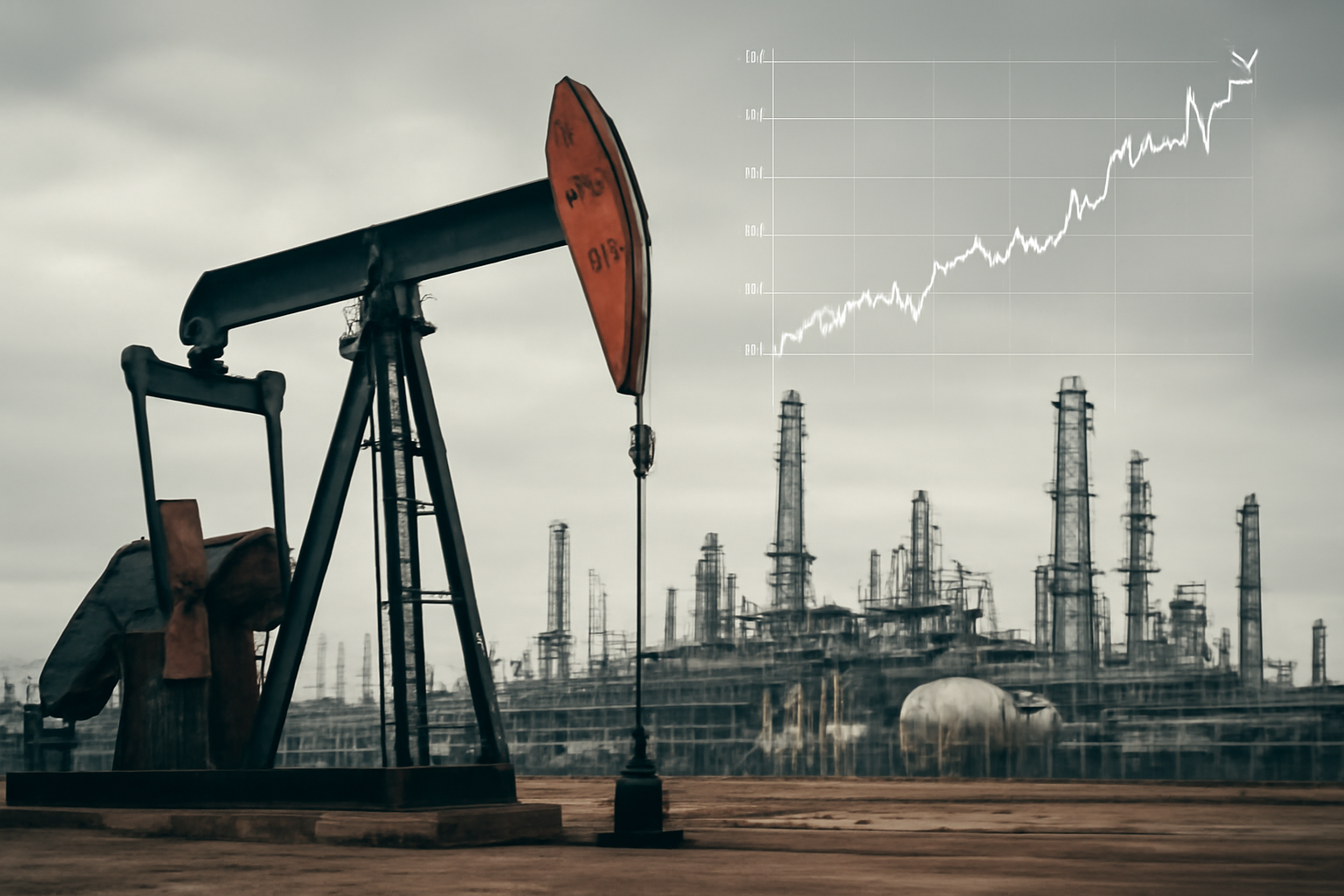
Geopolitical risk lifts the oil benchmark
Brent crude rose above $88 per barrel after military tensions between Iran and the United States escalated. The move followed missile attacks, a strong warning from US President Donald Trump and growing concern about the Strait of Hormuz. Together, these developments have increased uncertainty around a region that is central to global energy markets.
The price increase reflects a higher risk premium in crude markets. Traders are assessing whether the confrontation could intensify and whether tension around the Strait of Hormuz could affect the movement of oil. The available source material does not report an actual interruption to supplies, but the possibility of disruption is enough to influence benchmark prices because buyers and sellers must account for potential delays and tighter availability.
India faces renewed pressure on fuel costs
For India, Brent above $88 raises concern about the cost of imported crude and the future direction of petrol and diesel prices. A sustained increase in the international benchmark would make crude purchases more expensive for Indian refiners. The eventual effect on consumers would depend on how long prices remain elevated and how higher costs are transmitted through the domestic fuel market.
Refiners, fuel distributors and large energy users therefore face a more uncertain cost environment. Importers may need to manage purchases in a market where prices respond quickly to military and political developments. Companies that consume substantial volumes of diesel or petrol could also face pressure if the rise in crude is ultimately reflected in domestic prices.
Hormuz remains the central market risk
Attention is focused on the Strait of Hormuz because concern about the waterway can affect crude pricing even before physical flows are disrupted. The current market reaction shows that geopolitical expectations are being incorporated into Brent. Further escalation could keep the risk premium elevated, while an easing of tensions could remove part of that support.
The consequences extend beyond India. Other crude-importing economies are also exposed when benchmark prices rise, while producers and traders must evaluate both price opportunities and operational risks. For market participants, the key issue is not only whether Brent has crossed $88, but whether the forces behind the move persist.
In the near term, missile activity, statements from Washington and Tehran, and developments involving the Strait of Hormuz will remain the main signals for the market. Without a reported supply interruption, price direction will continue to depend heavily on expectations. That leaves refiners, importers and fuel consumers vulnerable to rapid changes in sentiment as the Iran-US confrontation develops.