Brent above $107 brings Malaysia higher oil revenue but no automatic net gain, economist says
Brent crude above US$107 a barrel lifts Malaysia's petroleum revenue and export earnings, but rising subsidy, logistics and input costs offset part of the gain, UNIRAZAK economist Barjoyai Bardai told Utusan Malaysia. He said a 7.1 million barrel build in US crude inventories could cap prices while West Asian supply risk keeps a premium in the market.
A two-way effect for a producer economy
Malaysia stands to collect higher petroleum revenue and export earnings after Brent crude rose above US$107 (RM436.83) a barrel, but the increase does not automatically leave the economy better off in net terms, according to Utusan Malaysia, which cited Universiti Tun Abdul Razak (UNIRAZAK) economist Prof. Emeritus Barjoyai Bardai.
As a producer of crude oil and liquefied natural gas (LNG), Malaysia gains when petroleum prices climb. Barjoyai said the same price level also raises transport, logistics, food and industrial input costs, while adding pressure to the government's fuel subsidy bill.
“Brent above US$107 a barrel is a development that warrants attention because its effect on Malaysia runs in two directions,” he told Utusan Malaysia. “As an oil and LNG producing country, Malaysia benefits from higher petroleum revenue and exports. But at the same time, high oil prices raise transport, logistics, food and industrial input costs, and put pressure on government fuel subsidies.”
The net effect has to be measured against the additional costs carried by the government, companies and households, not only against the extra petroleum revenue, he said. “Malaysia may earn more from expensive oil, but that does not mean Malaysians and the Malaysian economy gain a larger net benefit, because part of those gains can flow back out through subsidies, import costs, inflation and production costs.”
Supply risk set against rising US inventories
Barjoyai said current market conditions are being shaped more by supply disruption risk and geopolitical tension than by the strength of global demand. He pointed to a 7.1 million barrel increase in United States crude oil inventories as a factor capable of capping prices in the short term.
“As long as the risk of supply disruption in West Asia persists, the market will continue to apply a risk premium,” he said. The inventory build does not necessarily signal a sustained decline, he added, because the market is also pricing the possibility of future supply losses. Brent is therefore caught between two opposing forces: higher US inventories and output, which weigh on prices, and supply disruption risk, which supports them at elevated levels.
Fiscal trade-off if Brent holds between $100 and $110
If Brent stays in a range of about US$100 (RM408.25) to US$110 (RM449.27) a barrel for several months, Malaysia's main challenge will not be inflation alone but the trade-off between shielding households from living costs and maintaining fiscal discipline, Barjoyai said. Fuel subsidies can absorb part of the increase for consumers in the short term, but the cost ultimately shifts to the government.
Over the medium term, the priority is to ensure subsidies are properly targeted and leakage is reduced, while using additional petroleum revenue to strengthen the fiscal position “rather than treating high oil prices as a permanent source of income”, he said.
Duration also determines the scale of the impact. “Brent at US$107 for a few weeks is different from US$107 for six months. The longer high prices persist, the broader the effect on production costs, living costs and the fiscal position,” he said. The question, he concluded, is not only how much extra revenue expensive oil generates, but how much of it remains a net benefit to the Malaysian economy after subsidies, import costs, inflation and production costs are taken into account.
Upstream activity and energy infrastructure
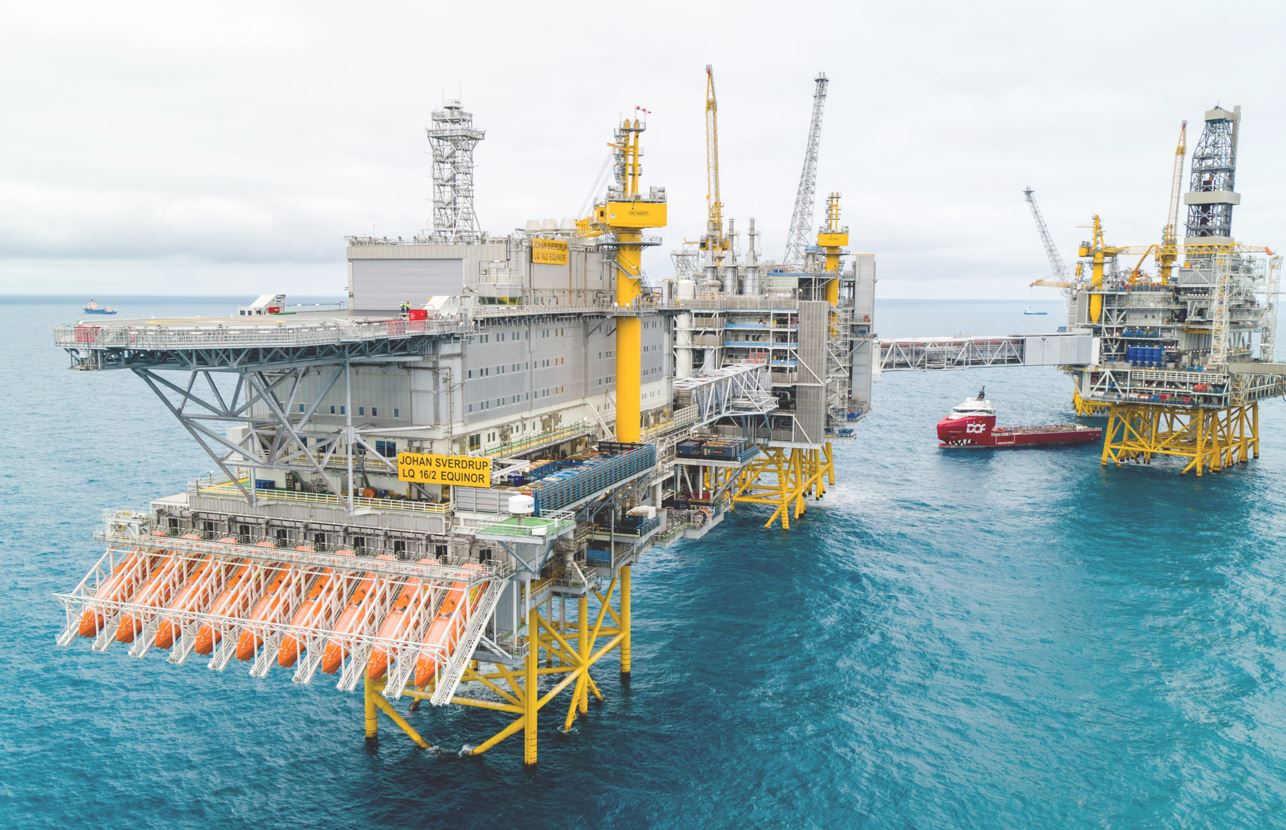
Separately, Utusan Malaysia reported that Malaysia's oil and gas sector is expected to remain resilient, with high crude prices continuing to support upstream segment earnings and sustaining demand for energy infrastructure.
- Brent above US$107 (RM436.83) a barrel lifts petroleum revenue and export earnings.
- Higher energy costs feed into transport, logistics, food and industrial inputs.
- US crude inventories rose 7.1 million barrels, a short-term cap on prices.
- A sustained US$100 to US$110 band shifts the burden from consumers to the government budget.