Brazilian soybean prices close the week higher on expected continuity of Chinese buying of US beans
Soybean prices in Brazil ended the week higher, tracking gains on the international market, according to Globo Rural. The advance was attributed to expectations that China will maintain purchases of US soybeans for the 2026/27 crop. Because Brazilian physical prices are quoted off Chicago futures plus port premiums, Chinese demand for American supply feeds directly into what Brazilian sellers receive.
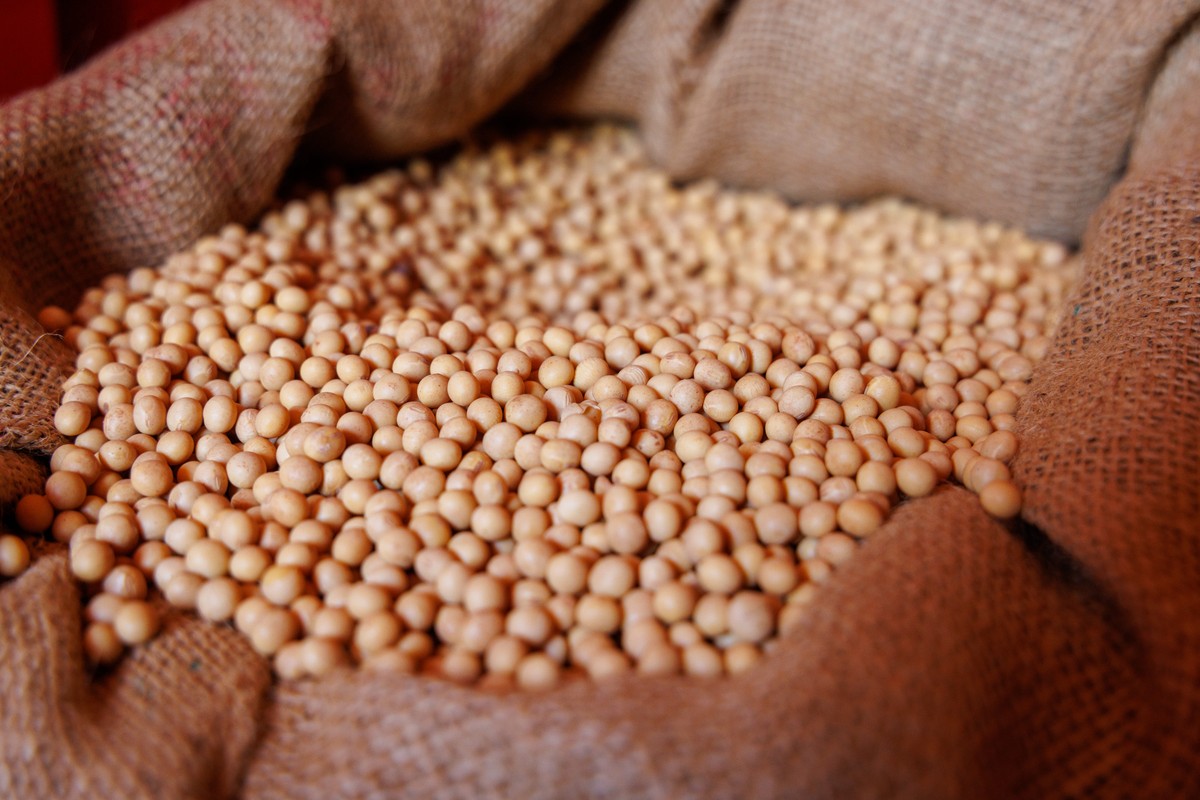
Weekly close higher for Brazilian soybeans
Soybean prices in Brazil ended the week higher, following gains on the international market, according to Globo Rural. The publication linked the advance to the likely continuity of Chinese purchases of US soybeans for the 2026/27 crop — a demand signal that fed straight into the price references used by Brazilian sellers.
Domestic quotations in Brazil are formed off international futures, port premiums and the real-dollar exchange rate. A firmer external market therefore lifts what crushers, traders and exporters are willing to pay at origin, even when nothing has changed in local supply or in the pace of farmer selling. The available summary of the Globo Rural report did not specify price levels, the size of the weekly gain or the trading hubs involved.
Why Chinese buying of US beans supports Brazilian quotes
China is the dominant buyer in the global soybean trade, and Brazil and the United States are its two principal suppliers. The two origins compete for the same demand, but not in the same window: the United States ships the bulk of its crop in the closing months of the calendar year, while Brazil dominates the market from February onwards. For that reason, confirmation of Chinese appetite for American supply is generally read as a statement about the size of total Chinese demand rather than as business lost by Brazil.
The transmission runs through Chicago. Purchases of American beans support futures, and Brazilian physical prices are negotiated against those futures plus a port premium. Expectations that reach into the 2026/27 crop extend that support beyond the immediate shipping window and give Brazilian growers a forward reference for volumes that will be sold long before they are delivered.
Read-across for producers, crushers and buyers
The immediate effects differ by position in the chain:
- Growers gain a better level for forward contracts, particularly for a crop still to be planted.
- Crushers face higher raw material costs first; meal and oil have to follow for margins to hold.
- Exporters and traders see the negotiation shift towards premiums, freight and logistics, which is where the difference between origins is actually priced.
- Importers outside China — feed and crushing industries in Europe, North Africa and Asia — buy into a market where the marginal bid is set by Chinese demand.
The qualifier is that the move rests on expectations rather than on confirmed volumes. Purchase intentions for a crop as distant as 2026/27 are not the same as registered sales, and the support they provide lasts only as long as the expectation does. A reversal in the trade relationship between Washington and Beijing, or a shift in Chinese buying towards South American origin, would change the reference that lifted Brazilian prices this week.
For now the direction is clear enough: Brazilian sellers are pricing off a market that believes Chinese demand will remain in place through the next two crop cycles, and the domestic weekly close reflected that rather than any change on the ground in Brazil.