Brazilian hog prices keep falling as market conditions weaken to 2022 levels
Brazilian hog prices remain under pressure, with Globo Rural describing the sector’s current position as its weakest since 2022. Cepea researchers said the situation resembles the downturn recorded that year, although the available source material provides no current price, regional market or production figures.
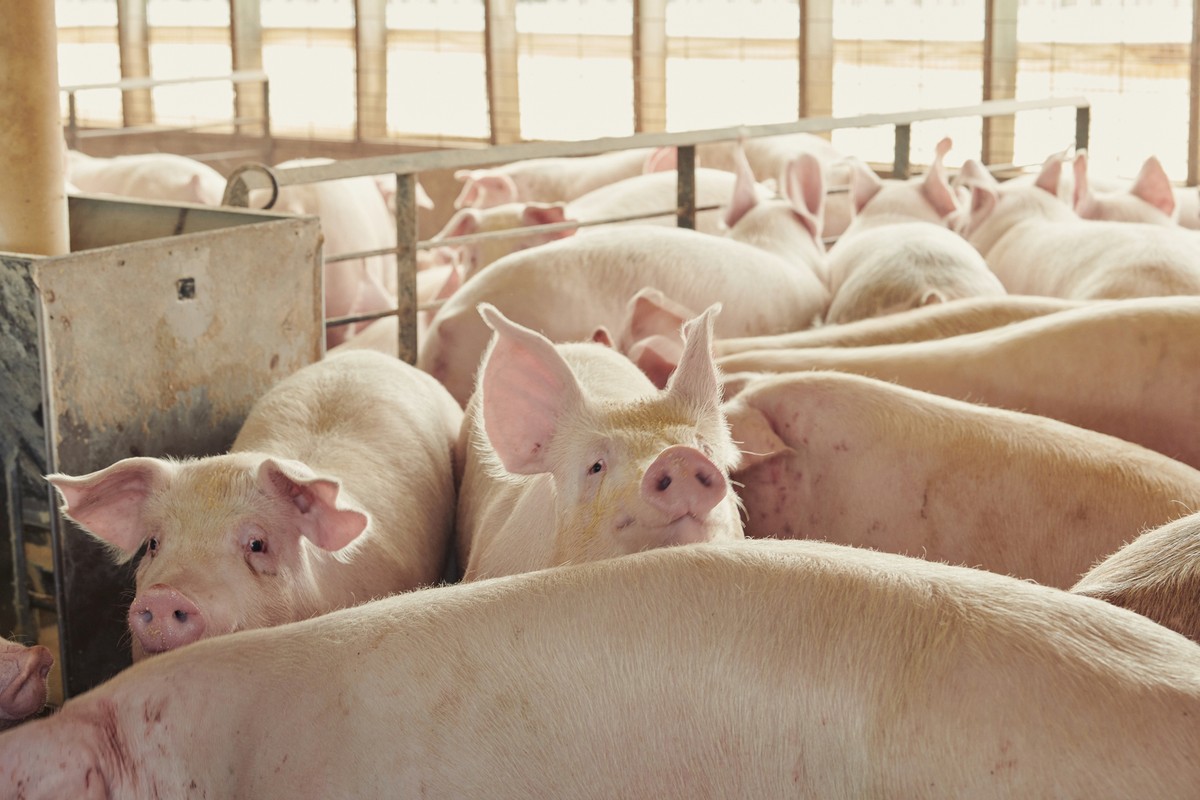
Hog market remains under pressure
Brazilian hog prices are continuing to decline, leaving the sector in what Globo Rural describes as its weakest market conditions since 2022. Researchers at Cepea, the Center for Advanced Studies on Applied Economics, said the current situation closely resembles the conditions observed during that year. The report does not provide a current price, a percentage decline or a nationwide average, so the scale of the downturn cannot be quantified from the available information.
The comparison with 2022 nevertheless gives producers and processors a clear historical reference point. According to the report, the worst phase of the market in the same trading area during 2022 occurred in February. The source excerpt does not identify that market area or state whether current prices have already fallen below the February 2022 level. It establishes only that prices remain on a downward path and that researchers see a strong similarity between the two periods.
Supply and demand determine producer pressure
Persistent weakness in live-hog prices indicates that animals offered to the market are not being absorbed at prices favorable to sellers. The supplied material does not quantify slaughter availability, pork consumption, feed costs, inventories or exports, and therefore does not allow any one factor to be identified as the principal cause. Those indicators will be essential for determining whether the downturn reflects excessive near-term supply, softer demand or a combination of both.
For hog farmers, a continued decline directly reduces revenue per animal unless productivity gains or lower costs offset the price movement. The effect on margins cannot be calculated because the report provides neither production costs nor feed-price data. The consequences may also differ between independent farmers and producers operating under supply agreements with processors, since their exposure to spot-market prices is not necessarily the same.
Processors and meat buyers watch the next adjustment
Lower live-animal prices can reduce raw-material costs for slaughterhouses, but the benefit depends on purchasing contracts, processing costs and the prices obtained for pork. The available report does not say whether the decline has been passed through to wholesale or retail meat markets. As a result, it is too early to conclude that weaker hog prices are producing an equivalent reduction in pork prices for distributors or consumers.
Market participants will need updated regional quotations and data on slaughter, consumption and external sales to assess the duration of the decline. A recovery would require a firmer balance between the number of animals reaching the market and demand from processors and meat buyers. Until those indicators improve, the comparison with 2022 is a warning for producers: falling quotations can tighten cash flow even when the broader pork chain does not experience the same degree of price weakness.