Brazilian beef prices set to rise through year-end as slaughter slows and China quota resets
Brazil has already filled its 1.1 million-tonne reduced-tariff export quota to China, yet analysts expect domestic beef prices to keep rising through the final quarter of 2026. Slower cattle slaughter, holiday demand and the January quota reset are tightening supply, according to auonline.com.br.
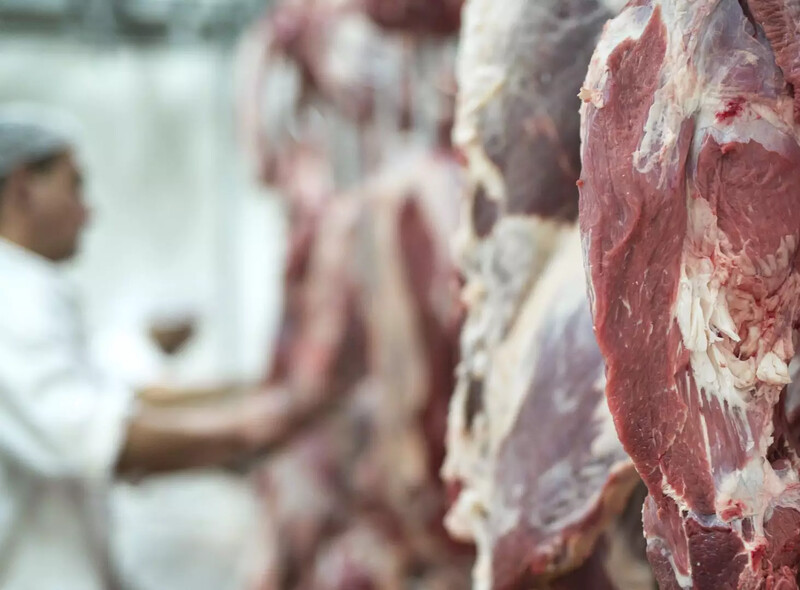
Brazilian beef prices set to rise through year-end
Beef is expected to keep weighing on Brazilian consumers' wallets through the end of 2026, according to auonline.com.br. Although Brazil has already exhausted its annual reduced-tariff export quota to China, specialists assess that this will not translate into greater supply on the domestic market. The expectation is precisely the opposite: prices tend to rise in the final quarter of 2026.
China, the main destination for Brazilian beef, sets an annual quota of 1.1 million tonnes carrying an import tariff of 12%. Once that ceiling is reached, the rate jumps to 55%, making further shipments far less competitive. Even so, Brazilian meatpackers reduced the pace of cattle slaughter, cutting beef output and preventing any increase in supply on the national market.
The quota structure creates a strong seasonal incentive. Shipments made under the 12% tariff are far more profitable than those facing the 55% rate, so once the annual limit is hit, exporters have reason to hold back and wait for the window to reopen. That pause does not free up beef for local shoppers, because production itself has been scaled down.
Quota renewal reshapes shipment timing
Another factor expected to influence prices is the renewal of the Chinese quota in January. Because maritime transport between Brazil and China takes about 40 days, meatpackers tend to direct end-of-year production toward serving Asian demand at the start of 2027. Cargo dispatched in the final weeks of 2026 would reach Chinese ports in time to enter under the renewed 12% tariff rather than the 55% rate applied once the quota is filled.
For importers and exporters, the timing effect matters as much as the volume. Product that might otherwise clear onto the domestic market is instead being held back or channelled toward the January quota window, tightening what is available in Brazil during a period of rising local demand.
Holiday demand tightens the domestic market
Domestic consumption traditionally grows during the end-of-year festivities, widening the pressure on prices. With meatpackers slaughtering fewer animals and export incentives pulling supply toward China, less beef reaches Brazilian supermarket shelves precisely when seasonal buying peaks.
Analyst view
According to Larissa Alvarez, market intelligence analyst at StoneX, the quotas adopted by China have altered the dynamics of the cattle market in Brazil. With a smaller supply of animals for slaughter and firm demand, the scenario indicates that beef should remain at elevated levels in supermarkets over the coming months.