Brazil’s wine consumption reached a record high in 2025, OIV data show
Brazil recorded its highest-ever annual wine consumption in 2025, according to the International Organisation of Vine and Wine. The expansion ran counter to a weaker global market and supported interest in regional consumer markets including Manaus.
Brazil sets a new consumption record
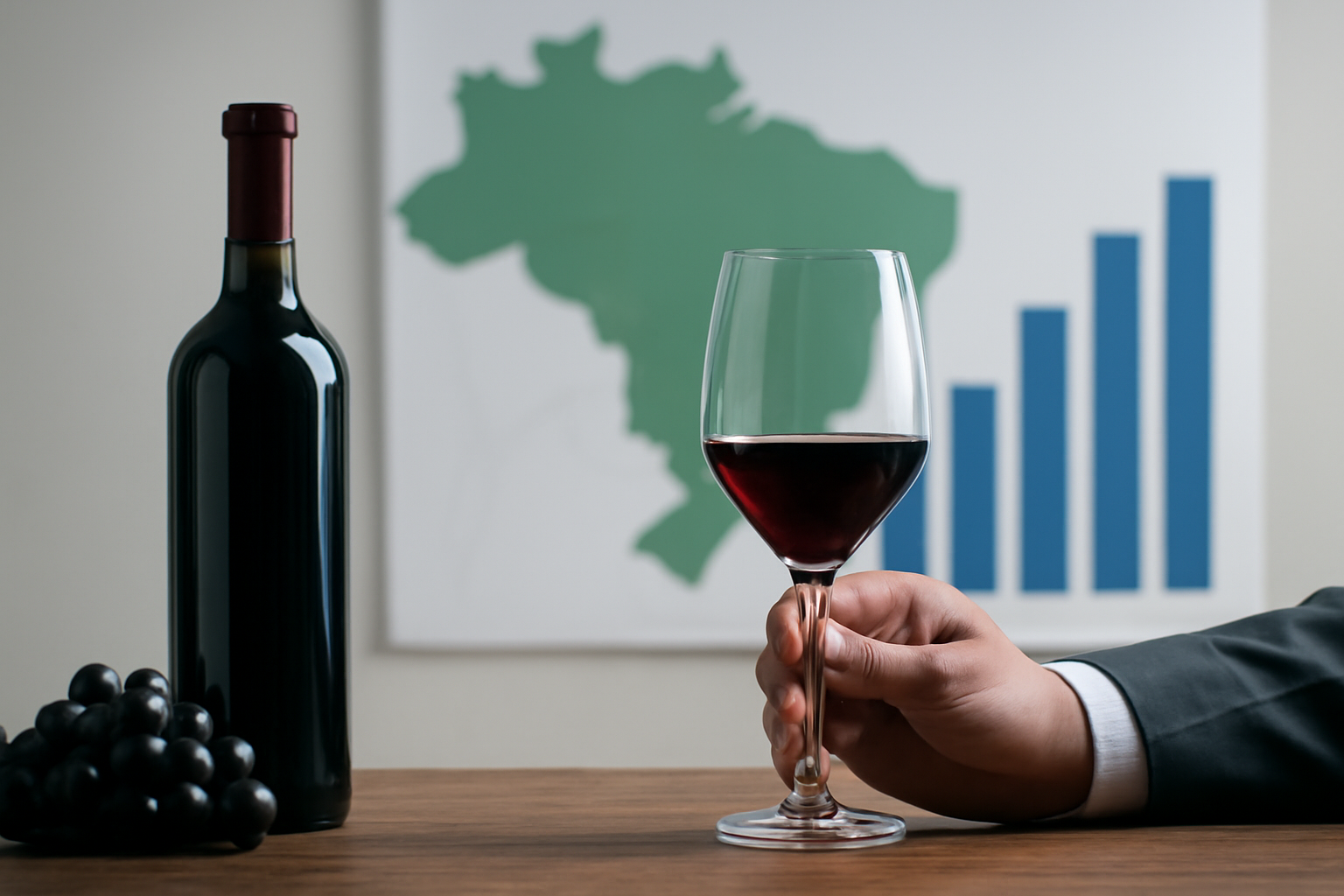
Brazil consumed more wine in 2025 than in any previous year, according to data from the International Organisation of Vine and Wine, or OIV. The result established a national record and distinguished Brazil from the weaker trend reported across the global wine market.
The available OIV-based report does not provide a complete volume figure or a breakdown by wine category. It nevertheless identifies 2025 as the largest year for Brazilian wine consumption on record. That distinction matters for producers, distributors and retailers assessing demand in one of South America’s major consumer markets.
Growth diverges from the global market
Brazil’s performance ran against the direction of the wider international market. This divergence suggests that conditions inside the country were more supportive of wine consumption than the forces weighing on demand globally, although the source material does not specify which economic, demographic or commercial factors produced the increase.
The record also gives the regional wine industry a stronger domestic demand signal. For producers and processors, a growing national market can provide an additional outlet for sales. For importers and distributors, it can strengthen the case for maintaining portfolios and commercial coverage suited to Brazilian consumers. The information available does not separate locally produced wine from imported products, so the relative gains for each segment cannot yet be determined.
Manaus reflects wider regional interest
The consumption milestone is also supporting appreciation of wine in Manaus, according to D24AM. The city’s inclusion highlights how the national trend is being observed beyond Brazil’s traditional wine-producing areas and in regional markets with their own retail, hospitality and distribution networks.
For businesses serving Manaus, a stronger wine culture can affect assortment decisions, staff expertise and relationships with suppliers. However, the source provides no city-level sales volume, growth rate or category split. Manaus should therefore be viewed as an example of regional engagement with the national record rather than as a separately quantified market surge.
Industry awaits a fuller market breakdown
The headline record is a clear indicator of demand, but market participants will need more detailed data to assess its commercial distribution. Useful distinctions would include consumption by origin, wine style, price segment and sales channel. None of those details appears in the supplied report, and no conclusions can be drawn about which producers or distributors captured the largest share of the increase.
Even with those limits, the 2025 result places Brazil apart from the weaker global backdrop. It provides producers, importers, wholesalers and retailers with evidence that the country’s wine market expanded to a historic consumption peak. The next question for the industry is whether that demand can be sustained and how broadly it is shared across markets such as Manaus and the rest of Brazil.