Urea in Brazil Climbs for a Fifth Straight Week, Up Nearly 20% at Ports
Urea prices at Brazilian ports have risen for five consecutive weeks, accumulating a gain of close to 20%, according to a StoneX analysis reported by Notícias Agrícolas. The increase hits just as buyers need to rebuild nitrogen inventories for the 2026/27 safrinha corn crop. StoneX cites Brazilian demand, high natural gas costs, the US-Iran talks and rumours of an Indian return to the market.
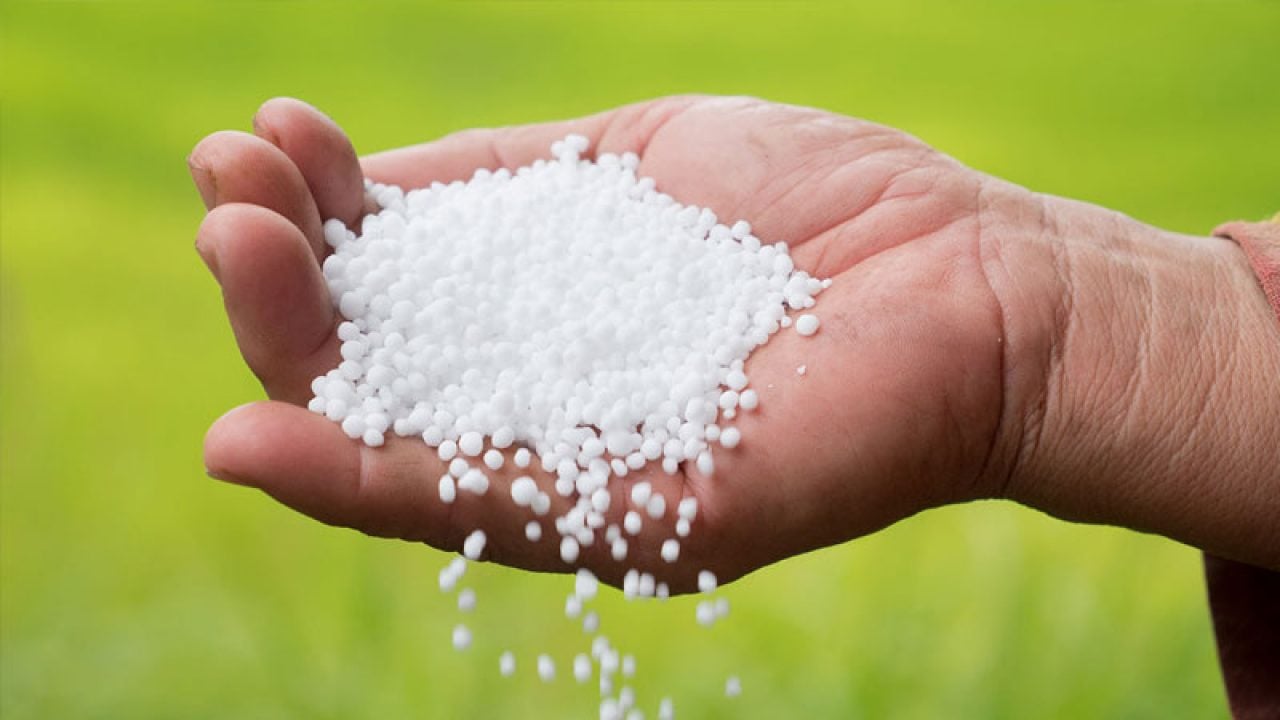
Urea prices in Brazil advanced for a fifth consecutive week, with the cumulative increase at the country's ports approaching 20%, according to a StoneX analysis reported by Notícias Agrícolas. The move comes as buyers prepare to rebuild nitrogen inventories for the 2026/27 safrinha corn crop.
Tomás Pernías, market intelligence analyst at StoneX, said the increase represents a relatively rapid change in price level and results from a combination of domestic and external factors. He listed rising Brazilian demand, elevated natural gas costs and uncertainty around the negotiations between the United States and Iran.
Five consecutive weekly gains
“Urea prices increased for the fifth consecutive week in the Brazilian market, indicating an upward trend in the segment,” Pernías said. “This movement raises a warning for buyers in the sector, who over the coming months should advance in rebuilding stocks for the 2026/27 safrinha.”
The timing matters because the safrinha is Brazil's second corn crop, planted after the soybean harvest, which concentrates nitrogen purchasing into a narrow window. Buyers who postponed coverage while the market was quieter now face a higher replacement cost for the same tonnage, and the pace of the move leaves little room to average down positions.
Gas costs, Iran talks and a possible Indian return
Natural gas is the main feedstock for ammonia and therefore for urea, so elevated gas costs feed directly into nitrogen production economics. Pernías also pointed to pessimism over progress in the talks between the United States and Iran, which keeps a risk premium attached to global nitrogen supply.
The international picture drew further attention from rumours that India could return to the market to buy new urea cargoes. According to StoneX, the prospect of stronger global demand is helping to sustain quotations for the fertilizer.
- Growing demand in Brazil
- Pessimism over the United States-Iran negotiations
- High natural gas costs
- Rumours that India may soon return as a buyer of additional urea cargoes
Corn rally holds barter ratios steady
Despite the appreciation of nitrogen products, StoneX considers the position of corn growers more favourable than a few months ago, as the recent recovery in cereal quotations has offset part of the increase in fertilizer costs. “Even with the recent rise in urea and ammonium sulphate prices, the situation of corn producers in Brazil is more favourable now than a few months ago,” Pernías said.
According to the consultancy, the corn rally has kept barter ratios close to the levels observed in the same period last year, which for now limits the pressure on growers' purchasing power. Better cereal prices also lift potential crop revenue and support a more positive outlook for profitability.
Feedback loop into nitrogen demand
The same dynamic carries a risk for fertilizer buyers. With more favourable margin prospects, farmers may expand the area allocated to corn, raising nitrogen requirements during the production cycle. “It is worth remembering that increases in the corn price can, depending on market conditions, push nitrogen fertilizer prices higher,” Pernías said.
He added that an eventual expansion of planted area and higher demand for fertilization could create new pressure on urea and other nitrogen products, while stronger corn prices simultaneously improve growers' ability to buy inputs, which also tends to support nitrogen consumption. As a reference point, Pernías noted that during the most critical moments of the war between the United States and Iran, amid fears over global nitrogen supply, urea at Brazilian ports approached US$800 per tonne, above current levels.