Brazil’s third-quarter cotton exports rise 18% to 453,000 tonnes
Brazil exported 453,000 tonnes of cotton between July and September 2026, an 18% increase from the comparable period. The average export value rose 6.8% to $1.70 per kilogram, strengthening revenue conditions for the country’s fiber supply chain.
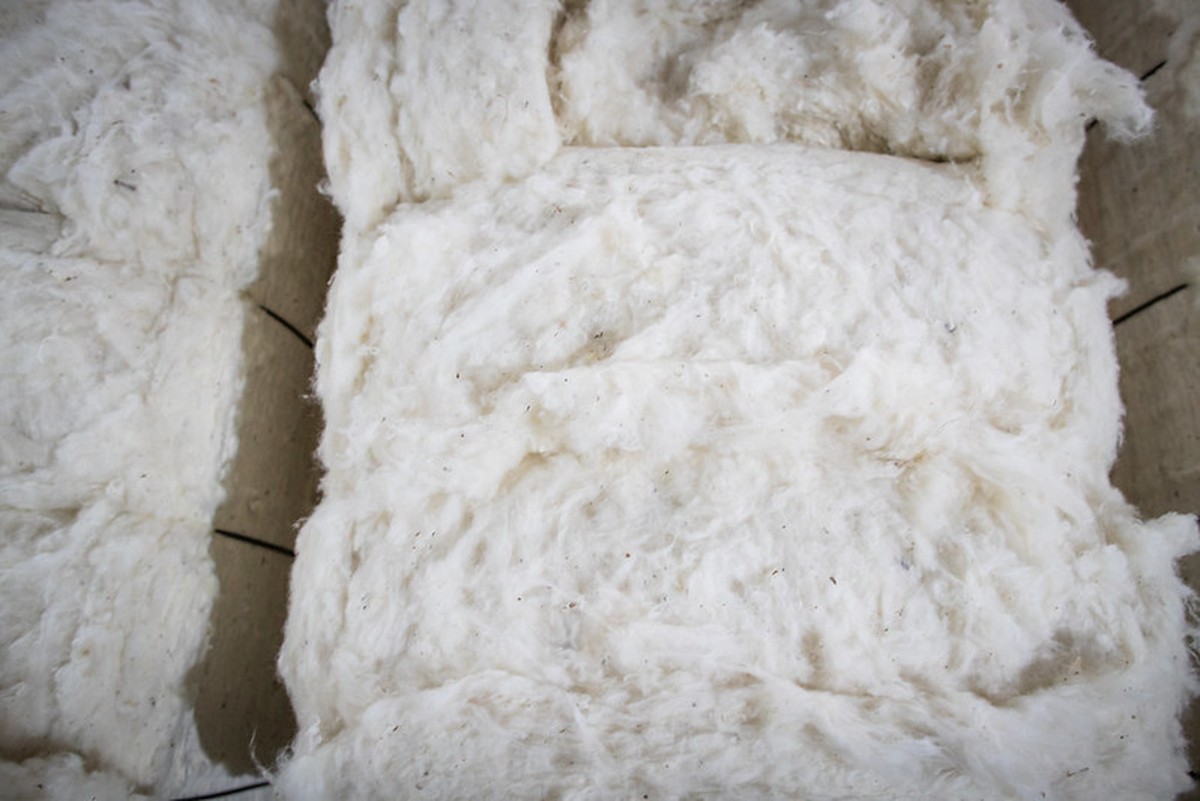
Shipments reach 453,000 tonnes
Brazilian cotton exports totaled 453,000 tonnes between July and September 2026, an increase of 18%, according to Globo Rural. The figures show that more Brazilian fiber moved into international markets during the third quarter, giving producers, merchants and logistics operators a larger export program to manage.
The expansion is significant because it was accompanied by a higher average export value. Volume growth alone can reflect larger crop availability or faster shipment schedules, but simultaneous gains in quantity and unit value indicate a more favorable export outcome. For cotton growers and processors, that combination supports gross foreign sales without requiring the entire improvement to come from additional tonnage.
Average export value increases
The average value of exported fiber reached $1.70 per kilogram, up 6.8%, Globo Rural reported. A higher average value may reflect changes in international prices, product quality, contract terms or the mix of destinations and shipments. The available figures do not identify which of those factors made the largest contribution, but the result improves the value obtained from each unit exported.
For producers, the increase can strengthen the commercial return from export channels, although farm-level margins also depend on production, financing, storage and inland transport costs. Merchants and processors must assess whether the improved unit value is sufficient to cover those costs and maintain competitive offers to overseas buyers. The figures describe export performance rather than net profitability, so they should not be treated as a direct measure of producer income.
Implications for Brazil’s fiber market
The third-quarter result reinforces Brazil’s role as a major supplier to the international cotton market. A larger flow of fiber into export channels increases the importance of reliable grading, warehousing, port capacity and shipment execution. Buyers also gain access to more Brazilian supply, while exporters face greater exposure to delivery schedules and the commercial requirements attached to higher-volume programs.
The combination of an 18% rise in shipments and a 6.8% increase in average value gives the sector a stronger base for commercial negotiations. It may also influence decisions about inventories and the timing of future sales, particularly for companies balancing immediate shipments against later marketing opportunities. However, the disclosed data cover only July through September 2026 and do not establish whether the pace will continue in subsequent periods.
For global market participants, the central signal is that Brazil placed substantially more cotton abroad while obtaining a better average value. Producers and processors will watch whether demand can absorb further supply at comparable terms. Importers and textile buyers, meanwhile, will weigh the availability of Brazilian fiber against price, quality and delivery conditions when arranging future purchases.