Brazil’s tea market shifts toward premium, cold-brew and food-pairing occasions
Brazilian tea consumption is expanding beyond medicinal infusions into premium blends, cold preparations and alcohol-free food pairings. Expert Market Research forecasts compound annual growth of 6.9% from 2025 to 2034, while producers report resilient demand despite pressure on household budgets.
Tea moves from the medicine cabinet to the dining table
Brazil’s tea market is entering a broader consumption phase as the drink moves beyond its traditional association with home remedies. Consumers are drinking tea throughout the day, preparing it hot or cold and serving it with meals as an alcohol-free alternative. The shift creates room for premium loose-leaf products, convenient sachets, fruit blends and imported varieties alongside Brazil’s established herbal-infusion and yerba mate segments.
Expert Market Research forecasts that the Brazilian market will grow at a compound annual rate of 6.9% between 2025 and 2034, according to Valor Econômico. The expansion follows a 25% increase between 2013 and 2020 measured by Euromonitor International, twice the global average over that period. These figures indicate that the category was gaining momentum before the current wave of gourmet positioning.
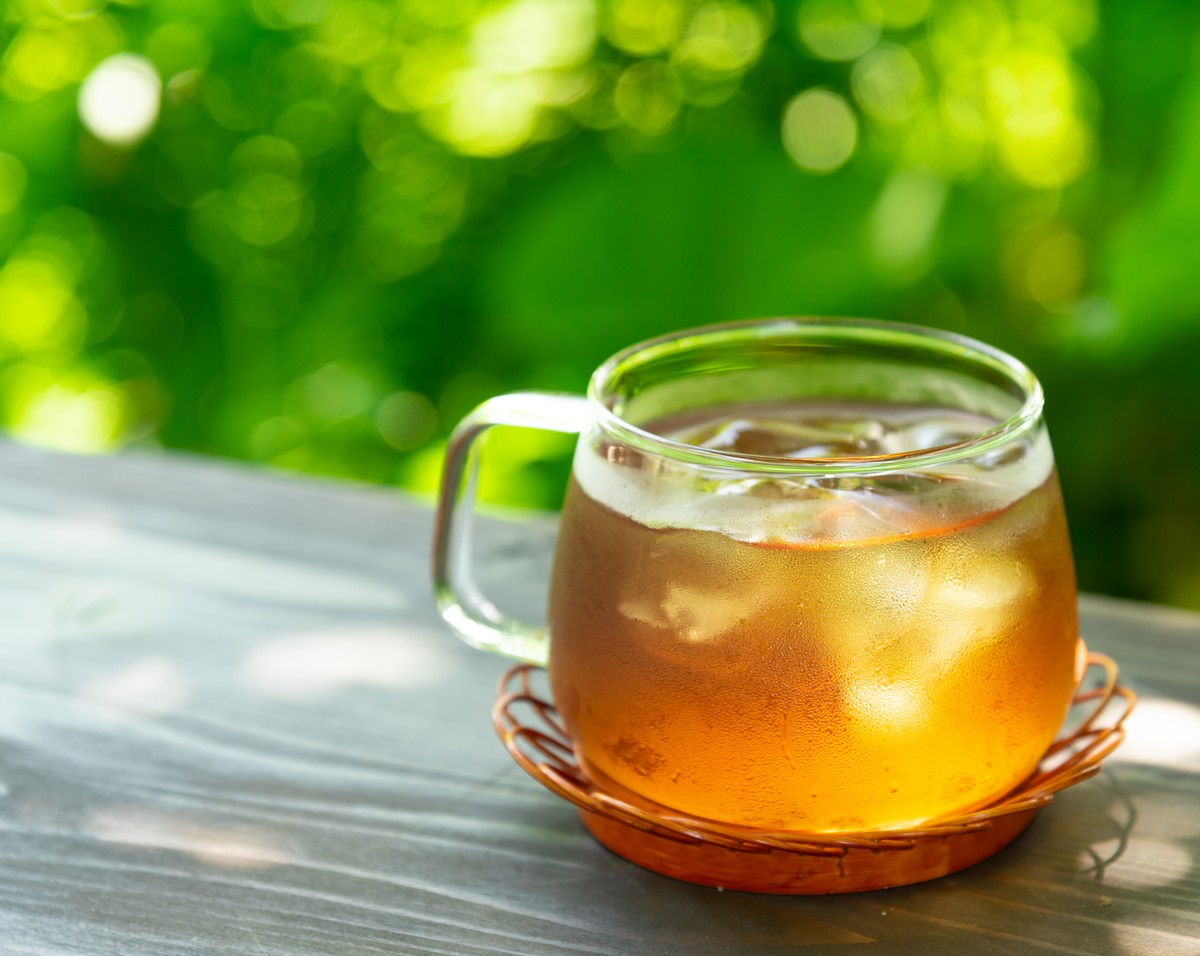
Convenience is helping manufacturers reach new occasions. Products designed to infuse directly in cold water make unsweetened tea easier to consume during the day, while traditional sachets remain attractive to buyers who want speed and predictable preparation. At the premium end, loose-leaf Chinese tea, specialty blends and techniques such as cold brewing are introducing consumers to a wider range of flavors.
Growth does not require displacing coffee
Tea still operates in the shadow of Brazil’s dominant coffee culture. Carla Suaeressig, founder and coordinator of the Brazilian Tea and Mate Academy, estimates that Brazilian preference for coffee over tea stands at 5 to 1. She argues that the two categories do not need to compete directly: tea can build demand through distinct serving occasions, especially food pairing, hydration and alcohol-free consumption.
Brazil also has its own production history. Cultivation of Camellia sinensis began in the early 19th century and gained momentum with Japanese immigration in the 20th century, particularly in the Ribeira Valley in São Paulo state. Registro became one of the country’s principal tea-production references. In southern Brazil, yerba mate was an important economic activity and export commodity until the early 20th century, although exports declined after the global economic crisis of 1929.
The distinction between tea and other infusions matters commercially. Tea technically comes from Camellia sinensis and includes green, black, white, red and oolong varieties, all containing caffeine. Drinks made by steeping other herbs, flowers, roots or fruit are infusions. Brazil already has strong consumption of herbal products, giving manufacturers a familiar base from which to sell fruit blends, functional combinations and more sophisticated tea formats.
Premiumization meets pressure on household income
The market’s development has not been linear. Suaeressig previously operated stores belonging to German premium tea brand Tee Gschwendner in prominent shopping centers in São Paulo and Curitiba. She considers that the concept arrived ahead of its time, but says the stores helped open the market for other high-end brands and hosted the country’s first tea and yerba mate sommelier course.
Current economic conditions remain difficult. Henrique Luiz Boldrini de Almeida Fontana, chief executive of Curitiba-based Chás Real, told Valor Econômico that high household indebtedness and reduced disposable income made 2026 challenging. Even so, he said tea remained resilient, especially herbal blends associated with relaxation, digestion, well-being and daily consumption.
For producers, processors and importers, the opportunity therefore spans two price tiers. Accessible sachets and familiar flavors can protect volumes when household budgets are tight, while loose-leaf teas, imported origins, cold-brew products and dinner pairings can support higher-value sales. Brazil’s established habits around yerba mate and herbal infusions lower the barrier to experimentation, but coffee’s 5-to-1 preference advantage means tea growth is more likely to come from new occasions than direct substitution.