Brazil’s sugarcane sector seeks lower rates and stable rules as ethanol output grows
Brazil’s sugar-energy industry is calling for lower interest rates, predictable fuel policy and better access to financing ahead of an expected sugarcane recovery in 2026/27. Rising cane and corn ethanol output is also increasing pressure to develop domestic and international demand.
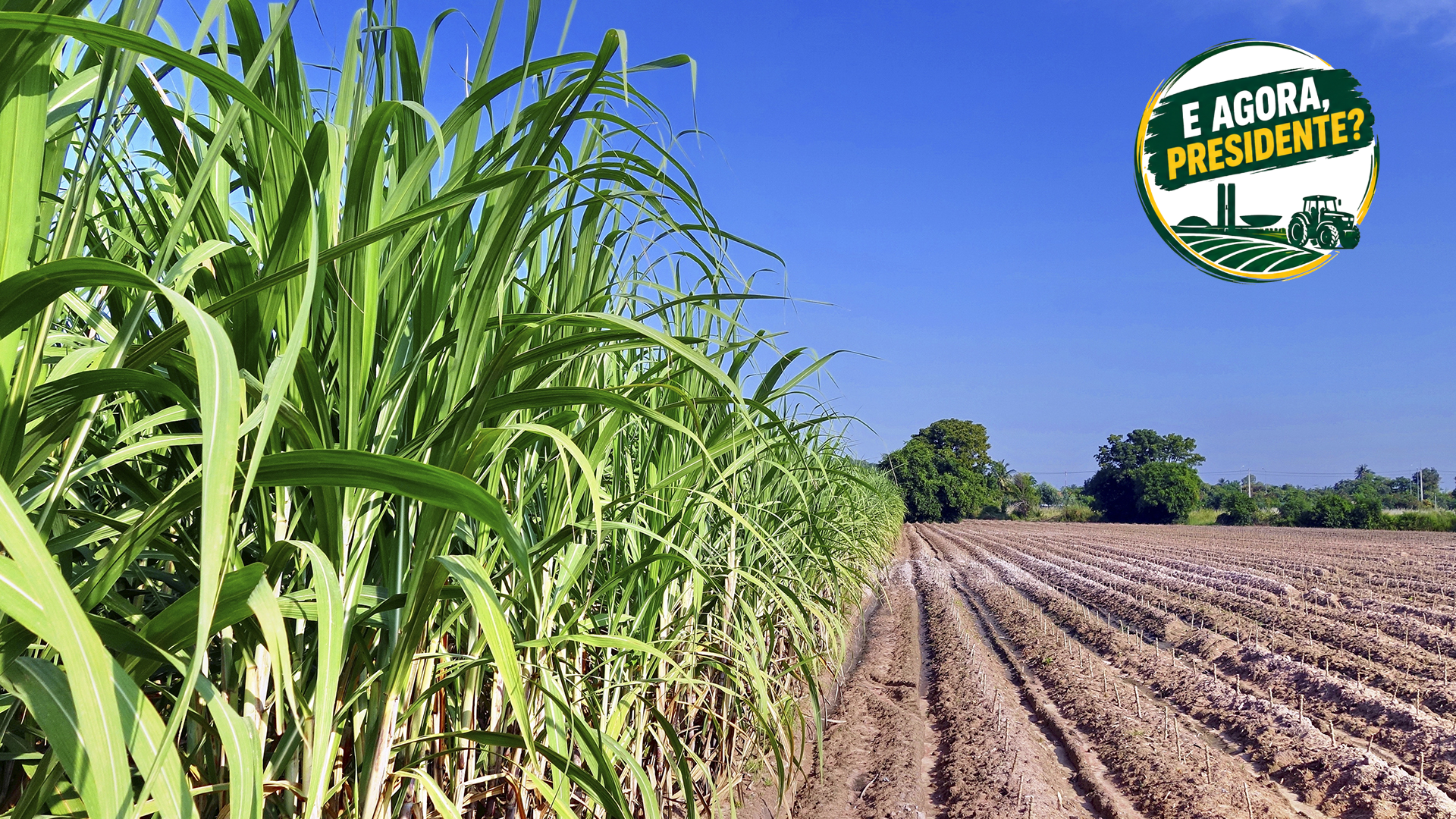
Cane recovery shifts the production balance
Brazil’s sugar-energy industry is asking the country’s next government for lower interest rates, clearer regulation and a fuel policy that does not distort competition between gasoline and ethanol. The demands come as the sector prepares for an expected recovery in sugarcane supply in the 2026/27 season and continued expansion of ethanol capacity.
Notícias Agrícolas reports that Brazilian sugarcane production is projected at 705.2 million tonnes in 2026/27. Sugar output is estimated at 42.9 million tonnes, below the previous season, as mills are expected to direct more feedstock toward ethanol. Total ethanol production is forecast to reach 41.9 billion litres.
João Baggio, CEO of G7 Agro Consultoria Comércio Exterior, said government intervention in fuel pricing had favored gasoline at ethanol’s expense. He argued that market conditions should determine the relative competitiveness of the two fuels. Recovering ethanol demand and prices are improving the outlook, but removing policy distortions would give producers and mills stronger grounds for investment.
Financing constrains fields and mills
High borrowing costs remain a central concern because sugarcane production requires substantial spending on machinery, field renewal and industrial assets. Baggio called for tighter control of public expenditure as a route to lower interest rates, allowing growers to replace tractors and equipment, adopt drone spraying and improve agricultural productivity.
Cheaper credit could also support mill upgrades and efficiency improvements. Within the broader energy transition, Baggio sees scope for vehicles and agricultural machinery powered by ethanol to reduce the industry’s dependence on diesel. He also urged support for renewing aging cane fields, along with financing for equipment and agricultural inputs.
Climate risk adds another capital requirement. Baggio advocated stronger rural insurance and financing for irrigation as changing rainfall patterns expose fields to dry periods during crop establishment and development. He also called for greater domestic production of fertilizers, particularly phosphates, arguing that reliance on foreign suppliers leaves the industry vulnerable to geopolitical crises and trade disruptions.
More ethanol needs larger markets
The demand challenge is becoming more urgent as corn ethanol expands, particularly in Brazil’s Center-West. Production is projected to reach 11.9 billion litres in 2026/27, 17% more than in the previous season. Longer-term projections cited by Baggio put total Brazilian ethanol production at 80 billion litres by 2050, raising the question of whether consumer markets can grow quickly enough to absorb the additional supply.
Baggio wants the government and private sector to promote ethanol as an international commodity and expand its use beyond light vehicles into aviation and maritime transport. A larger fleet of flex-fuel hybrids could reinforce domestic consumption. For overseas buyers, however, Brazil would need stable rules and credible assurances that supply will remain available. The sector’s investment case therefore depends not only on a larger harvest, but also on financing conditions, consistent fuel policy and durable routes to market.