Brazilian sugar prices steady as ethanol retreats amid slower cane harvest
Brazilian white crystal sugar prices remained broadly stable, while ethanol prices declined again. Globo Rural reported that rain in May and June slowed sugarcane harvesting and milling but supported crop development.
Rain slows harvesting and milling
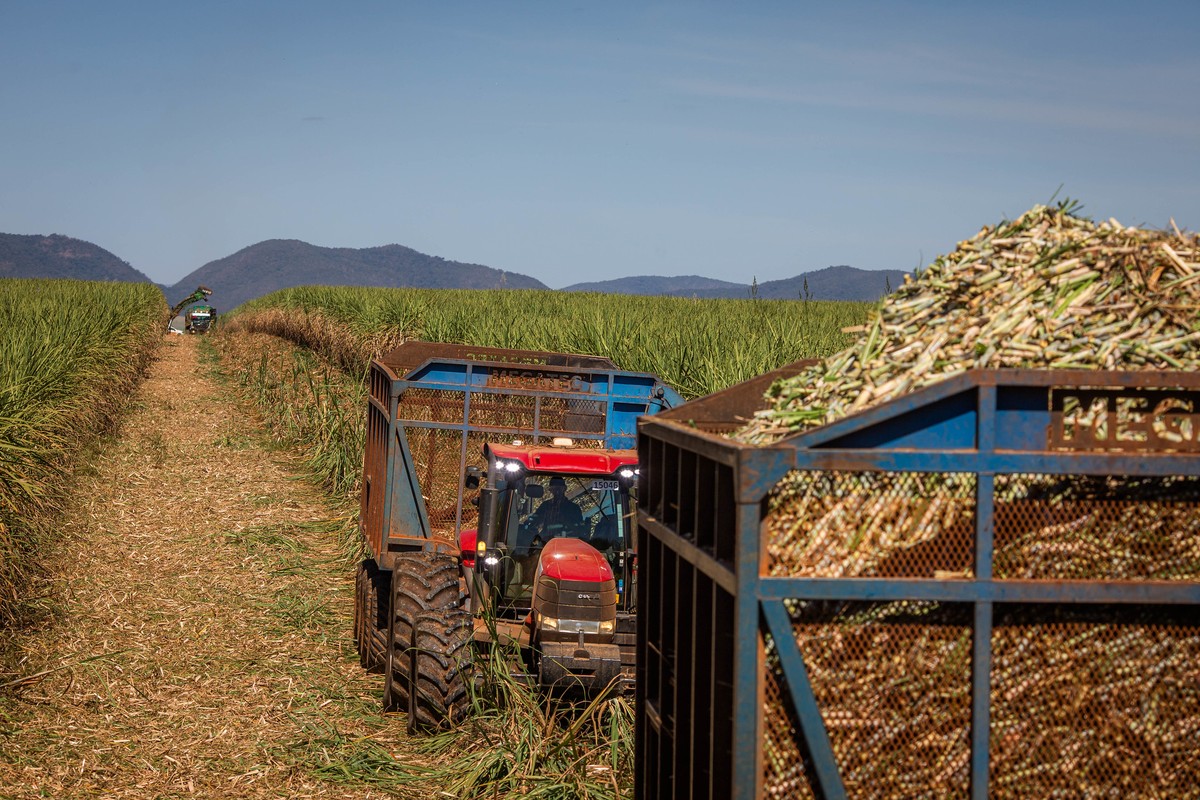
Prices for white crystal sugar in Brazil remained broadly stable, while ethanol prices declined again as wet weather affected the pace of sugarcane operations. Globo Rural reported that rain during May and June reduced the speed of both harvesting and milling. The same rainfall, however, benefited the development of sugarcane fields, creating a mixed outlook for processors and commodity buyers.
A slower harvest limits the amount of cane reaching mills in the near term. This can constrain the immediate production flow of sugar and ethanol even when the condition of standing crops improves. For traders, the distinction is important: rainfall may support agricultural yields later in the season while simultaneously delaying the availability of processed products now.
Sugar prices show limited movement
White crystal sugar quotations were described as practically stable. The muted price response suggests that the slower milling pace had not produced a sharp change in the domestic sugar market at the time of the report. No specific price, production volume or percentage change was provided in the available source material.
For Brazilian sugar exporters, steady domestic quotations offer little immediate price signal despite disruption to fieldwork. Importers monitoring Brazilian supply will be watching whether delayed milling merely shifts deliveries within the season or leads to a more persistent reduction in product availability. Brazil’s role in international sugar trade means changes in the timing of mill output can affect purchasing schedules even when quoted prices remain flat.
Ethanol weakens despite slower cane processing
Ethanol moved in the opposite direction, with prices retreating again. The decline indicates that the reduced pace of cane processing was not enough on its own to support ethanol quotations. The source material does not specify whether the movement applied to hydrous ethanol, anhydrous ethanol or both, and it provides no regional breakdown.
Sugar and ethanol compete for the same cane feedstock at Brazilian mills. When operations slow, buyers in both markets face uncertainty over the timing and composition of output. Stable sugar alongside weaker ethanol may influence mill sales decisions, although the available report does not provide evidence of a change in the production mix.
Trade participants focus on supply timing
The immediate issue for importers and exporters is the pace at which mills can recover after wet conditions. Faster fieldwork would help restore cane deliveries and processing, while additional interruptions could extend delays. At the same time, improved crop development may support future cane availability, partly offsetting the short-term operational slowdown.
With no detailed figures disclosed, the current market signal is one of divergence rather than a quantified supply shock: Brazilian white crystal sugar is holding steady, ethanol is weakening, and rainfall is affecting when cane can be harvested and milled. Buyers should therefore distinguish between current processing delays and the potentially positive effect of moisture on the crop still in the field.