Brazil soybean trade stays limited as Chicago rises on Chinese demand signals
Brazil’s physical soybean market recorded limited trading and only isolated price changes. Chicago soybean futures rose on signs of Chinese demand, while the dollar weakened.
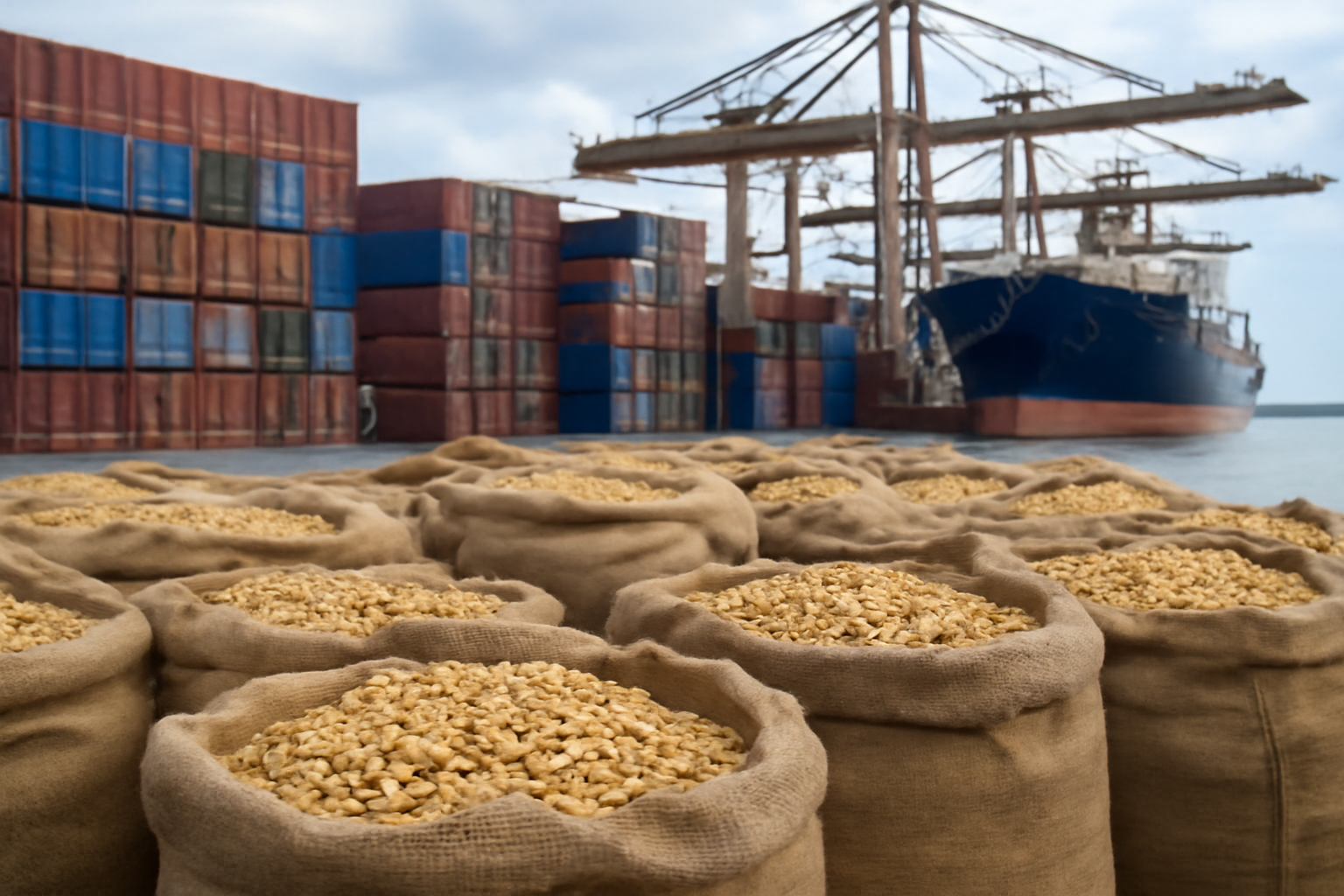
Brazilian physical market remains quiet
Brazil’s physical soybean market recorded limited trading, with price changes restricted to individual locations, according to Canal Rural. The subdued activity indicates that buyers and sellers remained selective despite a more supportive signal from international futures.
No nationwide price level, trading volume or regional quotation was provided in the available report. The market movement should therefore be read as a change in tone rather than evidence of a broad repricing across Brazil’s producing and export regions. Local prices can respond differently depending on delivery conditions, logistics and the timing of negotiations.
Chicago gains on signs of Chinese demand
Soybean futures in Chicago moved higher on indications of Chinese demand. China is central to the global soybean market, and signs of buying interest can affect expectations for available supplies and competition among origins. For Brazilian producers and traders, stronger Chicago contracts can improve the external reference used in domestic negotiations, although a futures increase does not automatically translate into the same change in local cash prices.
The limited number of Brazilian deals suggests that the Chicago advance was not sufficient to produce broad selling. Some holders may wait for stronger terms, while buyers may avoid raising bids until demand becomes clearer. The source material does not identify Chinese purchase volumes, shipment dates or suppliers, so the strength and duration of the demand signal remain uncertain.
Weaker dollar offsets part of futures support
The dollar declined while Chicago futures rose, creating opposing influences for the Brazilian market. Soybeans are priced internationally in dollars, but Brazilian producers assess revenue in reais. A weaker dollar can reduce the local-currency benefit of higher dollar-denominated futures, limiting the incentive to close new business.
This combination helps explain why price adjustments were isolated rather than uniform. The final value offered in Brazil depends on the interaction between Chicago futures, the exchange rate and local commercial conditions. When futures and the currency move in opposite directions, negotiations can slow as participants reassess their price targets.
Market participants await firmer signals
For producers, the immediate question is whether Chinese interest will continue strongly enough to support Chicago and improve domestic bids. Traders and processors must weigh that possibility against currency movements and the limited liquidity in the physical market. Exporters also need confirmation that demand signals are converting into purchases rather than remaining an expectation reflected mainly in futures.
The session therefore produced a clearer positive move in Chicago than in Brazil’s cash market. Without reported volumes or broad regional price increases, the available evidence points to cautious negotiations. Further direction will depend on whether Chinese demand persists, how the dollar behaves and whether buyers in Brazil respond with bids that attract more soybean sales.