Brazilian soybean prices reach six-month high as exports tighten supply
Brazilian port prices for soybeans rose above R$ 140 per 60-kilogram bag, their highest level since January. Record exports, strong global demand and restrained selling have tightened immediately available supply.
Port prices move above R$ 140
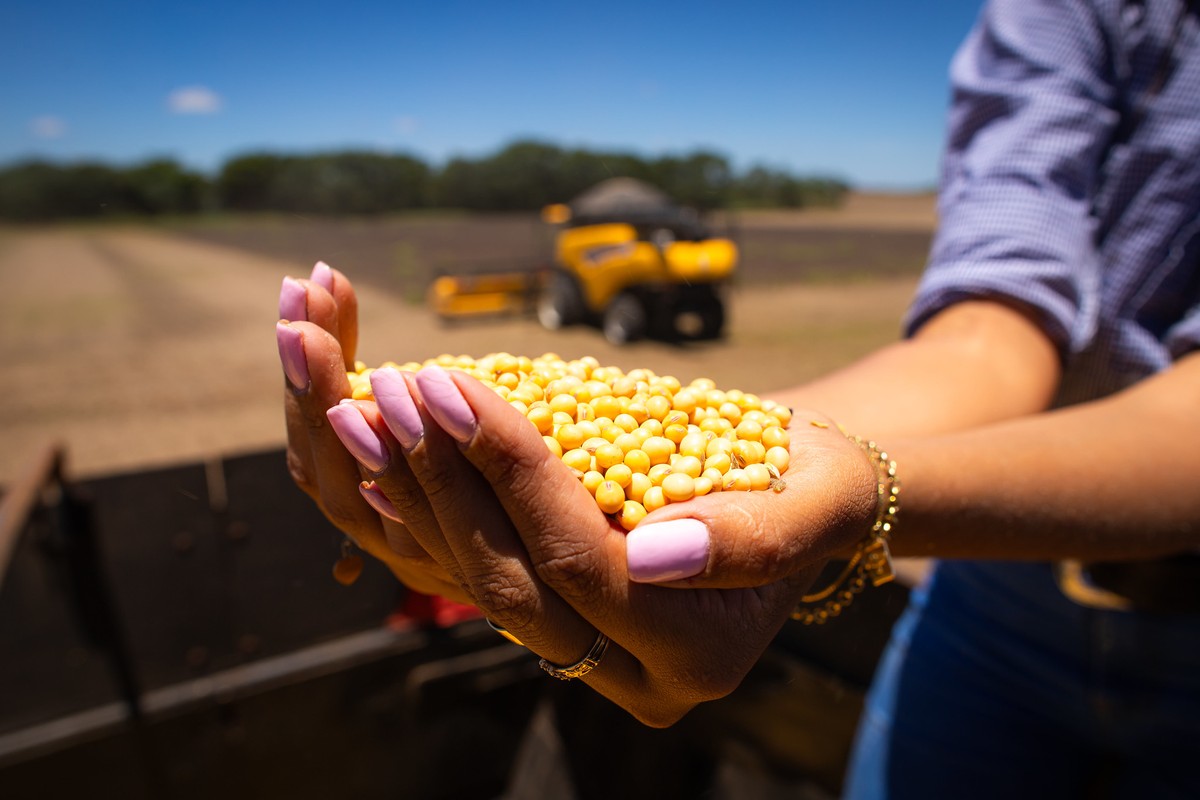
Brazilian soybean prices have reached their highest level in six months, supported by strong international demand and tighter availability in the domestic spot market. Band reported that a 60-kilogram bag was trading above R$ 140 at Brazilian ports, a level last seen in January. The rise gives producers holding unsold stocks greater pricing power, while increasing procurement costs for exporters and domestic processors seeking near-term volumes.
The latest increase extends a broader advance in July. On 6 July, the Cepea/Esalq indicator based on transactions at the Port of Paranaguá stood at R$ 139.01 per 60-kilogram bag, up 4.06% from the beginning of the month, according to a Globo Rural report republished by Painel Rio Verde. Of the 38 markets monitored by consultancy AgRural that day, 33 recorded higher prices and the remainder were stable.
Demand, weather and geopolitics support the market
Researchers at the Center for Advanced Studies in Applied Economics, known as Cepea, attributed the price movement partly to strong global demand, irregular rainfall across the Northern Hemisphere and intensified conflict in the Middle East. Adverse weather in producing regions outside Brazil encouraged buyers to seek immediate shipments, accelerating trading in the Brazilian market.
International prices have also provided support. Chicago soybean contracts for August rose 4.46% to US$ 11.8225 per bushel on 6 July amid hot Northern Hemisphere weather, market volatility and expectations of stronger Chinese demand. A stronger dollar against the real improved the competitiveness of Brazilian soybeans, raised export premiums and encouraged forward sales. Cepea said importer interest had already generated transactions for November shipments, earlier than in the previous season.
Export-premium negotiations have extended to cargoes scheduled as far ahead as 2028, according to Band. At the same time, some Brazilian sellers are withholding soybeans in anticipation of higher prices. That restraint limits spot availability and reinforces the price increase at ports. For processors and exporters, the combination means stronger competition for nearby supply even though Brazil has harvested a large crop.
June exports set a record
Trade flows show the scale of overseas demand. Data from Brazil’s Secretariat of Foreign Trade, or Secex, show that the country exported 14.49 million tonnes of soybeans in June. Band said this was the largest June volume since the official series began in 1997.
Shipments reached 69.57 million tonnes in the first half of the year, 35% more than in the same period of 2025 and a record for the first six months. The pace has moved a large share of Brazil’s crop into export channels, reducing the relief that carryover stocks might otherwise provide to buyers in the domestic market.
The market now hinges on the willingness of farmers to release remaining inventories, weather in competing producing regions and the persistence of global demand. Producers with available soybeans benefit from the six-month price high, but exporters and crushers face narrower purchasing windows and higher replacement costs. Importers, particularly China, must balance immediate coverage against prices already strengthened by Brazil’s record shipment pace.