Brazil’s Second-Crop Maize Pesticide Market Rises 13% to R$15.4 Billion
Brazilian growers spent R$15.4 billion on crop-protection products for the 2025/26 second maize crop, according to Globo Rural. The reported 13% increase from the previous season points to stronger demand from pesticide manufacturers, distributors and agricultural retailers.
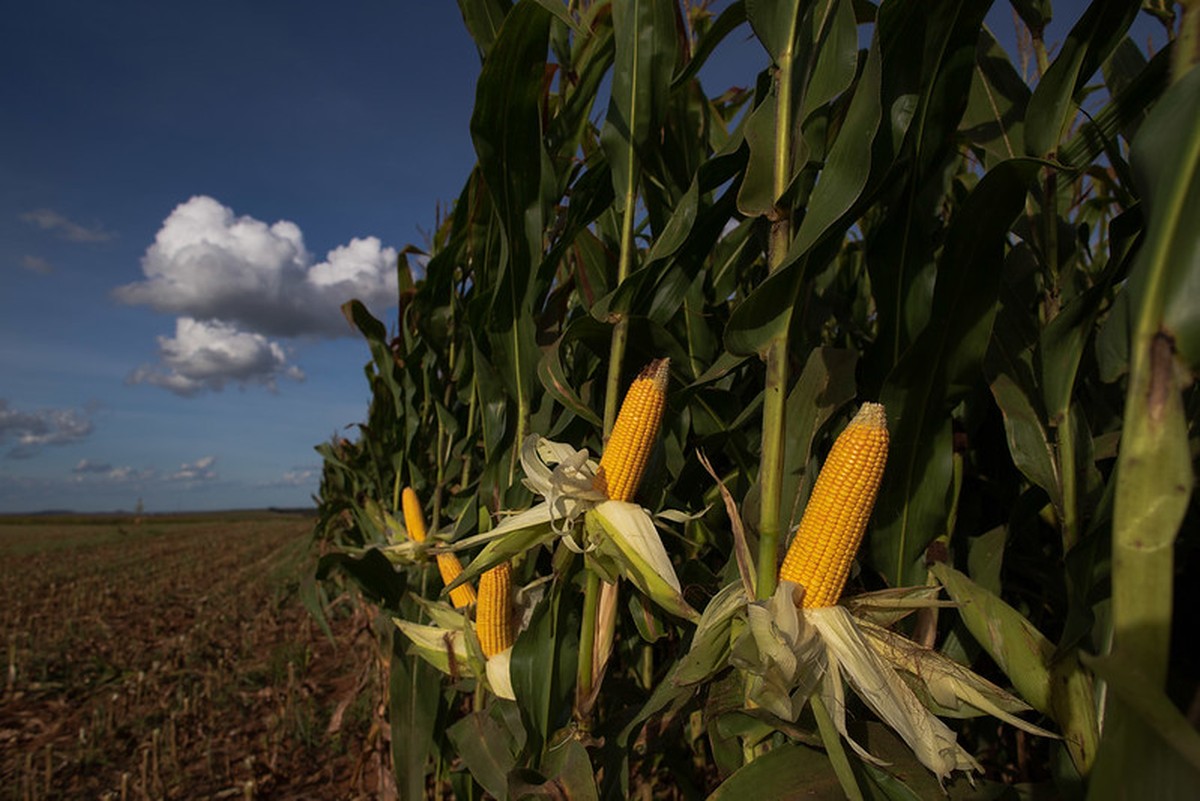
Crop-protection spending reaches R$15.4 billion
Brazil’s market for crop-protection products used on second-crop maize increased by 13% in the 2025/26 season, highlighting the growing value of chemical inputs deployed in one of the country’s major grain-production cycles.
Globo Rural reported that agricultural pesticides generated sales of R$15.4 billion during the 2025/26 second maize crop, known locally as the safrinha. The season covered by the figures ended in July. In the preceding season, the corresponding market was valued at R$13.7 billion.
The comparison represents a nominal increase of R$1.7 billion. Because the two market values are rounded, calculating the change directly from the published totals produces a result close to, but slightly below, the reported 13% growth rate.
The figures measure the value of crop-protection products sold for the maize season rather than the physical volume applied. The source information does not provide a breakdown between changes in product prices, the amount of land treated, application rates or the number of treatments. Those distinctions are important when assessing whether the expansion primarily reflects greater input intensity, commercial pricing or a combination of the two.
Stronger demand across the input supply chain
The higher market value indicates an expanded revenue pool for companies supplying crop-protection products to Brazilian maize growers. Manufacturers, formulators, distributors and agricultural retailers are the most direct commercial beneficiaries, although the increase also represents a larger production-cost commitment for farms.
For suppliers, a R$15.4 billion seasonal market supports demand for product availability, inventory management and distribution ahead of and during the crop cycle. The published figures, however, do not identify individual companies or disclose the respective shares of herbicides, insecticides, fungicides, seed-treatment products or biological crop-protection inputs.
The absence of a product-level split limits conclusions about which agronomic pressures drove the increase. A rise in total spending can result from more frequent applications, greater use of higher-value formulations, shifts in the pest or disease mix, changes in planted area, or higher prices for products already in established treatment programs. Globo Rural’s reported totals establish the market’s direction and scale but do not assign the growth to any one factor.
Cost implications for maize producers
For growers, stronger crop-protection expenditure signals that pest, weed and disease management remains a substantial part of the second-crop maize budget. Whether the additional spending improves farm returns depends on the yield protected by those applications and the revenue ultimately obtained from the harvested grain.
The reported increase also raises questions about working-capital requirements. Crop-protection products are purchased before grain revenue is realized, so a larger input bill can increase producers’ financing needs and their exposure to the terms offered by banks, cooperatives, distributors and other agricultural-credit providers. The available source material does not specify how purchases were financed or whether payment conditions changed between seasons.
Processors, livestock producers and grain traders will be watching whether higher input spending is associated with improved crop protection and more reliable maize availability. The figures alone do not establish an effect on production, yields, domestic maize prices or export volumes, and Globo Rural’s summary provides no corresponding harvest or trade data.
Next indicators to watch
The key test for the crop-protection industry is whether the 13% rise marks a lasting increase in input intensity or a season-specific change. Product-volume data would show whether farmers bought more material, while category-level sales would identify the segments capturing the strongest demand.
For maize producers, the relevant comparison will be between the additional R$1.7 billion in market value and the crop performance supported by that spending. For suppliers, future demand will depend on growers’ purchasing power, agronomic requirements and willingness to maintain treatment programs when planning the next second-crop maize cycle.