Tight supply pushes Rio Grande do Sul rice prices to an 11-month high
The July average price of paddy rice in Rio Grande do Sul reached its highest level in 11 months as limited supply met strong industrial demand. Producers held back sales while processors from other Brazilian states increased competition for available grain.
July average reaches an 11-month high
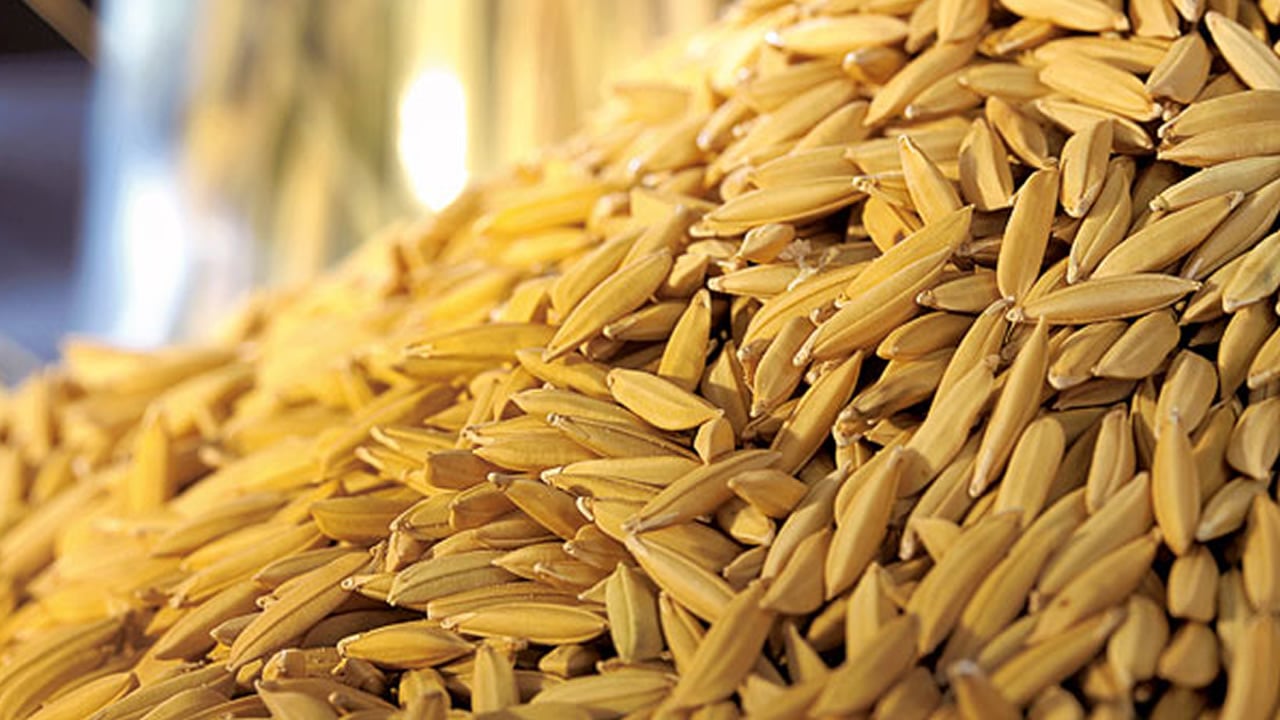
The monthly average price of paddy rice in Rio Grande do Sul rose in July to its highest level in 11 months, according to the Center for Advanced Studies on Applied Economics, or Cepea. Notícias Agrícolas reported that restricted availability and firm demand were the main forces behind the increase in Brazil’s leading rice-producing market.
The movement reflects a shortage of readily available grain rather than a lack of purchasing interest. Processors needing raw material repeatedly raised their bids during the month. Even so, trading remained limited because holders released little rice onto the market, preventing higher offers from generating a comparable increase in transaction volumes.
Producers wait for further gains
Cepea researchers said producers remained reluctant to sell because they considered prevailing prices insufficient to cover production costs adequately. They also expected additional appreciation during the period between harvests. That position tightened prompt supply and gave sellers greater influence over negotiations, while processors faced pressure to secure enough paddy rice for their operations.
Demand from industries based outside Rio Grande do Sul added another source of competition. These buyers entered the state’s market in search of raw material, helping support the price recovery. The resulting contest for limited stocks affected both local mills and processors in other states, although the source did not provide transaction volumes or an exact price for the July average.
Public purchases shape expectations
The announcement of future government purchases of rice and corn further strengthened expectations of rising prices among farmers, Cepea said. Some producers responded by postponing sales for longer, reducing the volume offered to private buyers. The announcement therefore influenced commercial behavior before the operational details of the program were available.
By the end of July, the tender and the rules governing the proposed purchases had not yet been published. The market consequently remained focused on when the measures would begin and how they would operate. Without those details, producers and processors could not assess how much rice the government might buy, the conditions of participation or the direct effect on available commercial supply.
Processors face a constrained spot market
For rice processors, the immediate challenge is access to raw material. Successive bid increases show that some plants were willing to pay more, but limited farmer selling restricted their ability to convert stronger bids into purchases. Competition from companies in other states made procurement more difficult and reinforced the upward direction of the Cepea indicator.
For producers, the 11-month high confirms that holding grain has helped prices recover, but Cepea’s findings also show why sales remain slow: farmers still question whether current values adequately compensate their costs. The next phase of the market will depend on the amount of rice released during the between-harvest period and on the publication of the government purchasing rules. Until then, restricted availability and industrial demand remain the principal forces shaping prices in Rio Grande do Sul.