Federarroz finds 80% of selected Type 1 rice samples failed classification tests
Federarroz says 215 of 268 selected rice samples sold as Type 1 were classified below the declared grade in laboratory tests. The growers’ federation plans to submit the findings to Brazilian authorities, while stressing that its targeted sample does not represent the entire national market.
Targeted survey finds widespread discrepancies
Brazilian rice growers are challenging the classification of products sold as Type 1 after a targeted survey found that 215 of 268 samples did not meet the grade declared on their packaging. The Federation of Rice Growers’ Associations of Rio Grande do Sul, known as Federarroz, commissioned the survey and plans to send the laboratory results to the relevant authorities.
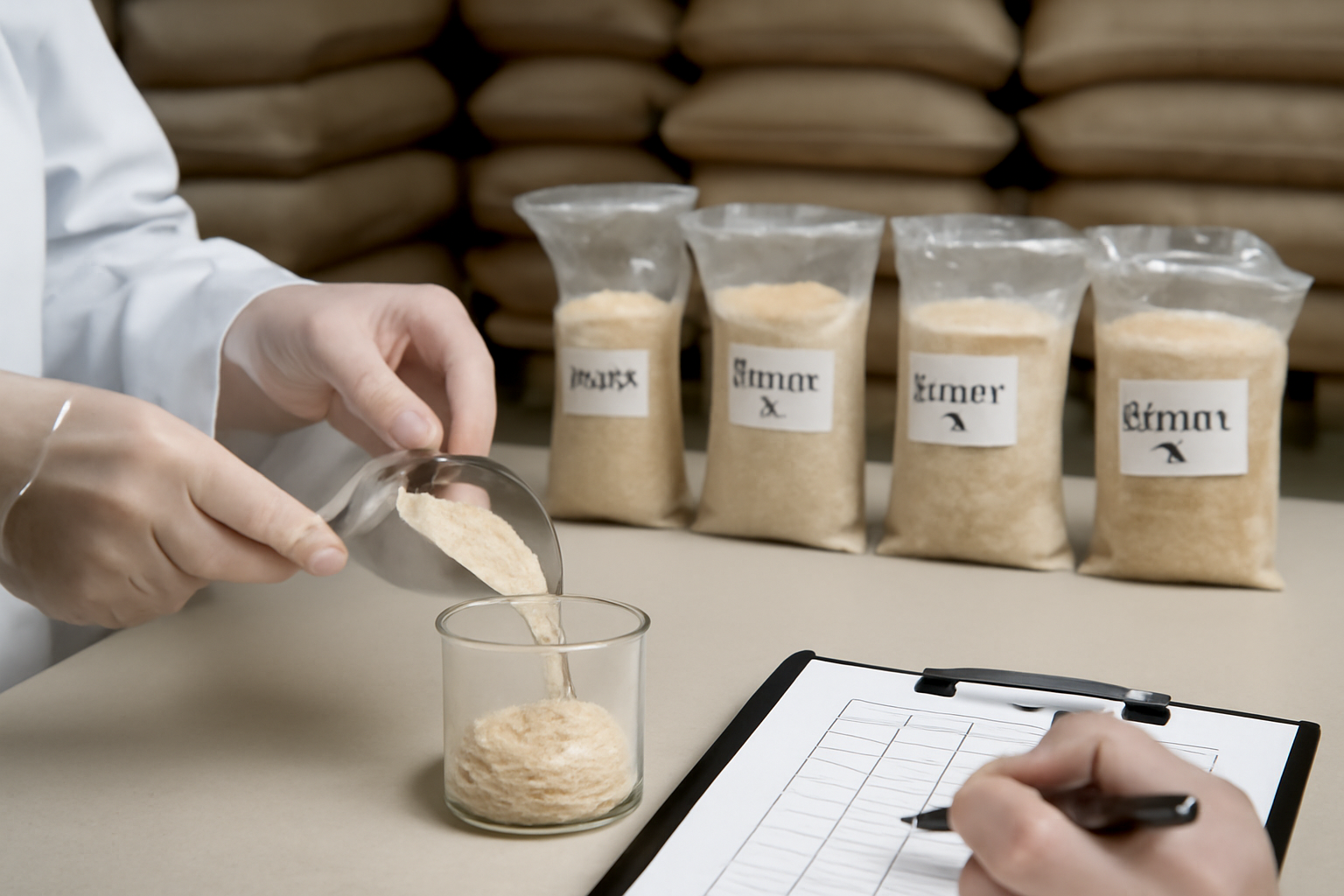
Canal Rural reported that Federarroz collected the products between November 2025 and January 2026 from 167 retail establishments in 32 cities. The operation covered Rio Grande do Sul, Santa Catarina, Paraná, São Paulo, Rio de Janeiro and Minas Gerais, spanning approximately 8,500 kilometres. All samples were submitted to an accredited laboratory.
The survey examined 268 products marketed to consumers as Type 1 rice. Of those, 215 samples, or 80.22%, received a lower classification in laboratory testing. Federarroz stressed that this figure applies only to the selected products and cannot be treated as an estimate for all Type 1 rice sold in Brazil.
Sample selection limits the national implications
The federation deliberately prioritised products that showed visible signs of possible non-compliance or were positioned among the lowest-priced items on the shelves surveyed. That method makes the results relevant for identifying suspected violations, but it does not constitute a representative assessment of the broader retail market.
Laboratory classification considered defects and the proportion of broken grains. Canal Rural said some packages labelled Type 1 contained broken-grain shares of 18% and 35%, levels associated with lower classifications under the criteria used in the evaluation. Discrepancies were detected in every one of the six states covered.
The products remain fit for consumption, according to the report, and the classification problems do not indicate a health risk. The dispute instead concerns whether consumers received the quality advertised on the package and whether lower-grade rice was able to compete on price against correctly classified products.
Authorities may examine administrative, civil and criminal issues
Federarroz president Denis Dias Nunes said the selected sample included products that already appeared questionable or were priced substantially below other brands. He argued that selling lower-quality rice as Type 1 harms consumers and puts companies complying with classification rules at a competitive disadvantage.
Federarroz legal director Anderson Belloli said the findings would be referred to competent bodies for examination. Administrative action may involve Brazil’s Ministry of Agriculture and Livestock. State prosecutors could handle civil matters, while cases spanning more than one state could reach the Federal Public Prosecutor’s Office. Any criminal consequences would depend on the investigations and legal assessment conducted by the responsible authorities.
The case places commercial grading, packaging accuracy and retail price competition under closer scrutiny. For compliant processors and brands, enforcement could help prevent lower-grade products from undercutting Type 1 rice. For retailers and suppliers, the findings increase the importance of testing, traceability and consistency between the grain inside a package and the classification printed outside it.