Brazil forecasts record 60,000-ton Hass avocado harvest as exports absorb 90%
Brazil’s Hass avocado harvest is projected to reach a record 60,000 tonnes in 2026, twice the 2025 volume. Exports absorb about 90% of production as new orchards mature and favorable weather lifts yields.
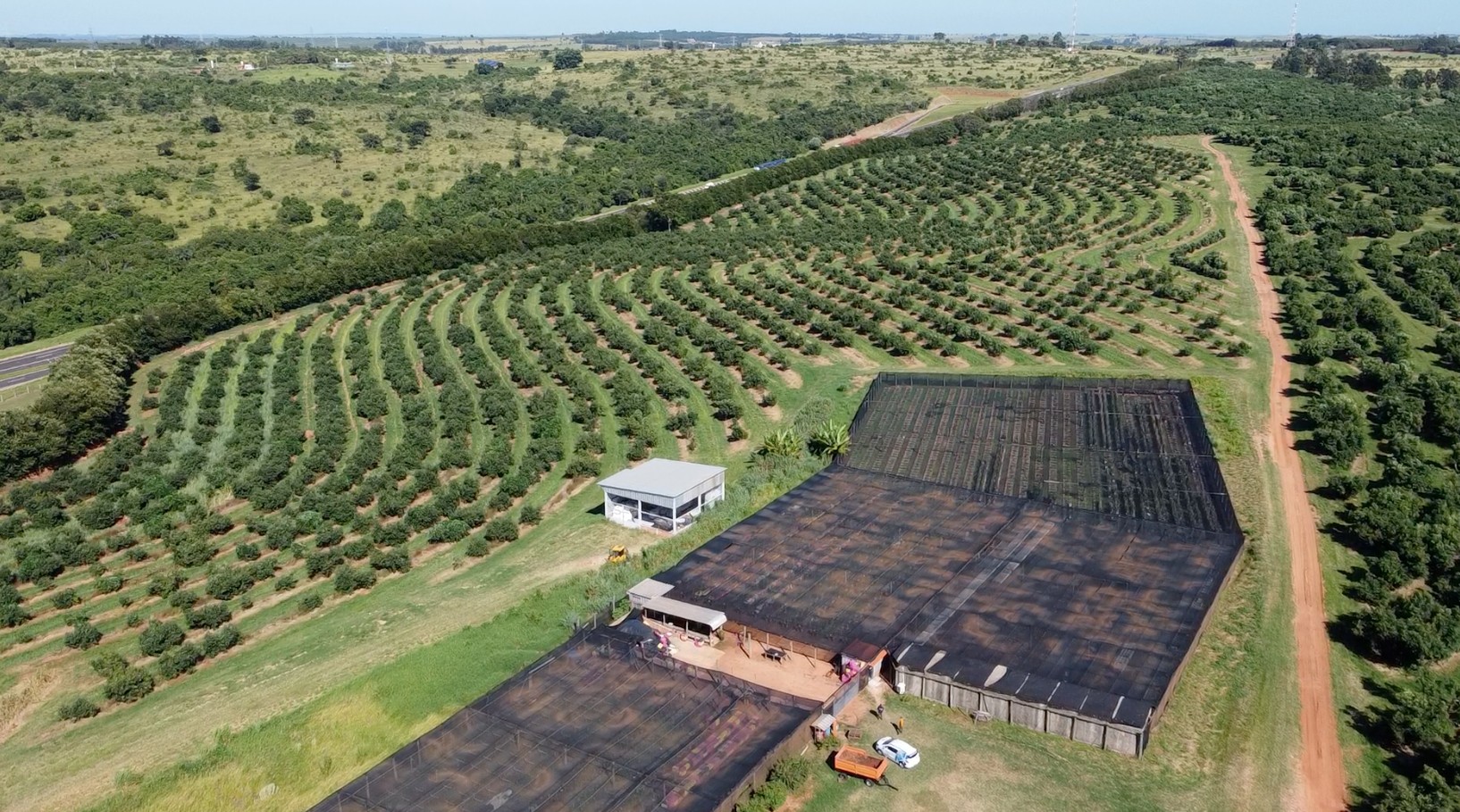
Harvest forecast doubles from 2025
Brazil is expected to harvest a record 60,000 tonnes of Hass avocados in 2026, according to O Globo, citing the industry association Abacates do Brasil. The forecast is twice the volume recorded in 2025, while about 90% of national production is destined for export markets.
The expansion reflects both improved productivity and the arrival of recently planted orchards at commercial maturity. Hass avocado trees begin producing fruit from their fourth year. Abacates do Brasil estimates that the country’s Hass avocado area will reach between 10,000 and 11,000 hectares in 2026, compared with only 1,000 hectares a decade ago.
Official IBGE data put Brazil’s total avocado area at 18,100 hectares, although the figure does not distinguish Hass orchards from tropical avocado plantations. Hass is smaller than the tropical variety and has dark, rough skin and firmer flesh.
Weather recovery supports output
Productivity had declined over the previous five years because of excessive heat and insufficient rainfall, Rodrigo de Paiva Stockler Barbosa, president of Abacates do Brasil, told O Globo. In 2025, Bauru-based Jaguacy Avocado lost 70% of its harvest because of drought.
More favorable weather is now supporting Jaguacy’s largest harvest to date. The company expects its own production to reach 6,000 tonnes, above its annual average of 4,000 tonnes, and projects revenue of R$ 150 million, twice last year’s level. Brazil’s avocado harvest runs from February through September.
Jaguacy has also invested in micro-sprinkler irrigation to create a cooler microclimate around its trees. Managing temperature is especially important because Hass orchards require cooler conditions and higher elevations. The company’s farms can produce as much as 12 tonnes per hectare.
Long shelf life opens overseas markets
Hass avocado can remain marketable for as long as 45 days, allowing exporters to use ocean freight rather than relying exclusively on faster and more expensive transport. Jaguacy estimates that its export operation, which includes fruit supplied through partner growers, will ship 800 containers, equivalent to 16,800 tonnes, to Europe, Argentina, Uruguay, Chile and India this year.
The company operates 1,200 hectares in Bauru and Timburi in São Paulo state and Roca Sales in Rio Grande do Sul. Export partnerships with about 30 producers in Minas Gerais, Paraná, Espírito Santo and Goiás cover another 1,500 hectares, creating a supply network that extends beyond Jaguacy’s own projected harvest.
Brazil is currently the world’s 10th-largest avocado producer, while Mexico leads the ranking, O Globo reported. Industry representatives see the United States, the world’s largest avocado importer, as a priority market, but shipments remain blocked by the absence of specific trade agreements. Access to that market could become increasingly important as new Brazilian orchards raise exportable supply in the coming years.