Heavy rains in Brazil threaten Arabica quality and point to higher coffee prices
Heavy rainfall in Brazil has damaged the quality of Arabica crops, raising expectations of higher coffee prices. The effects could extend from producers and traders to roasters and consumers worldwide.
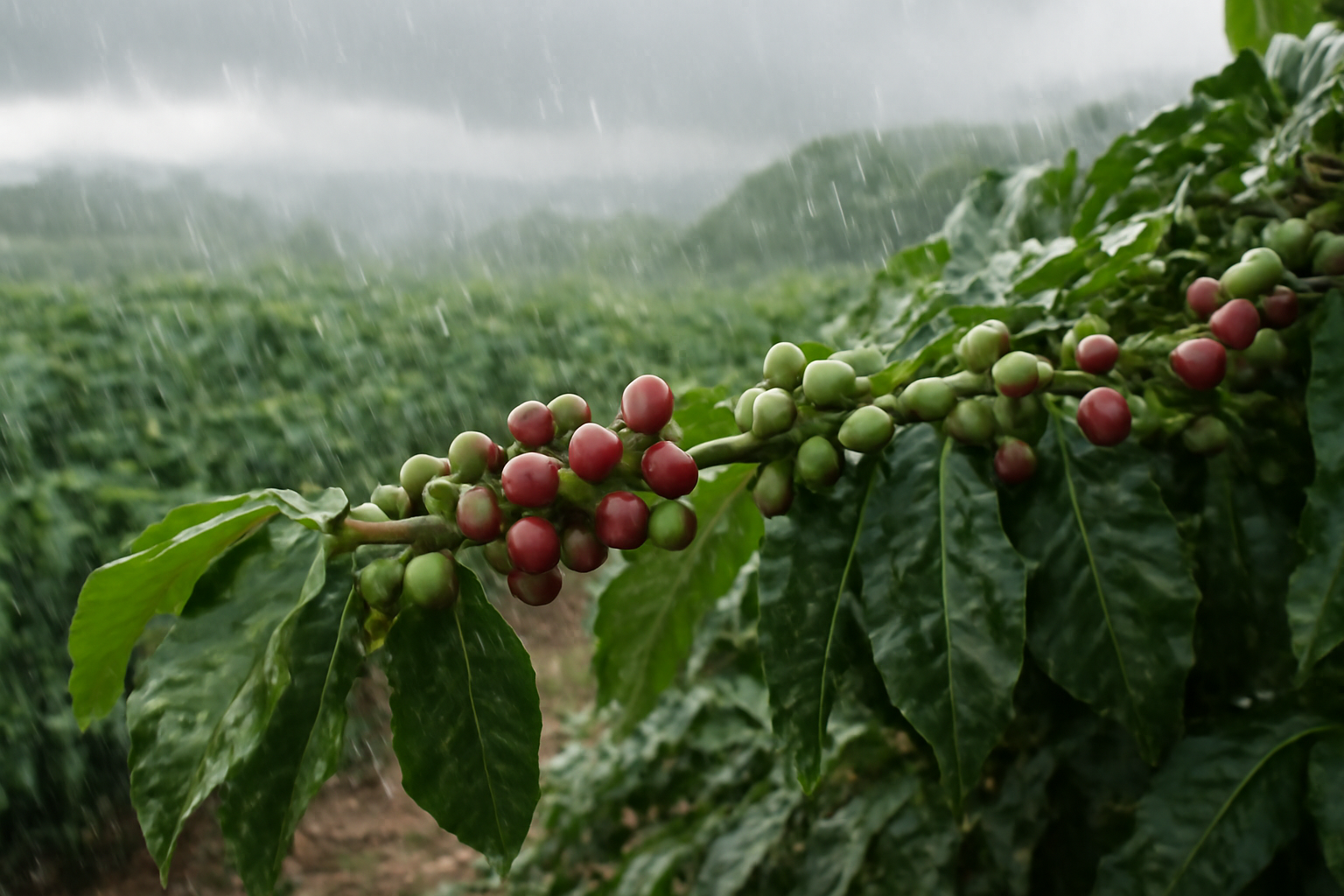
Rain puts Arabica quality under pressure
Heavy rainfall in Brazil has negatively affected the quality of the country’s Arabica coffee crops, creating a new concern for the global coffee market. Brazil is the world’s leading producer of Arabica, so a deterioration in the quality of its crop can influence purchasing decisions well beyond the domestic market.
The available information does not provide an estimate of affected production, a forecast for the harvest or a timetable for the expected price increase. It nevertheless identifies quality, rather than simply crop volume, as the immediate problem. That distinction matters to processors and buyers because coffee of different grades is not always interchangeable, particularly when roasters need beans that meet specific requirements for flavour, appearance and consistency.
Roasters face a tighter choice of suitable beans
If excessive rain reduces the share of Brazilian Arabica that meets buyers’ preferred specifications, competition may intensify for the remaining suitable coffee. Traders and roasters would then have to decide whether to pay more for the required grades, adjust blends or seek alternative supplies. The extent of any response will depend on the actual quality loss, which has not been quantified in the source material.
The pressure may therefore emerge unevenly across the market. Producers able to deliver coffee at the required quality could benefit from stronger demand, while growers whose beans are downgraded may not receive the same advantage from a broader rise in prices. Exporters and processors could also face more work in sorting, grading and matching available lots with customer specifications.
Higher costs could reach consumers worldwide
Expectations of higher coffee prices mean the consequences may eventually reach consumers around the world. The path from conditions on Brazilian farms to retail prices is not immediate or uniform: traders, roasters and retailers make separate purchasing and pricing decisions, and companies may hold coffee bought under earlier contracts. Even so, a quality problem in the largest Arabica-producing country can raise the cost of securing beans suitable for established products.
For market participants, the central question is whether the rainfall causes a limited quality issue or a broader shortage of acceptable Arabica. The information currently available supports concern about crop quality and upward price pressure, but it does not establish the size or duration of either effect. Producers, exporters, importers and roasters will therefore need to watch assessments of Brazilian coffee quality before determining how much supply is usable and how much additional cost the market may have to absorb.