Brazil's poultry push into Africa pressures EU chicken exporters
Africa absorbs about 13% of global chicken meat imports, ranking as the fourth-largest destination behind Asia and Europe, according to Agence Ecofin. Brazil's expansion on the continent is squeezing European Union suppliers, who have long used African markets to place cuts that European consumers do not buy.
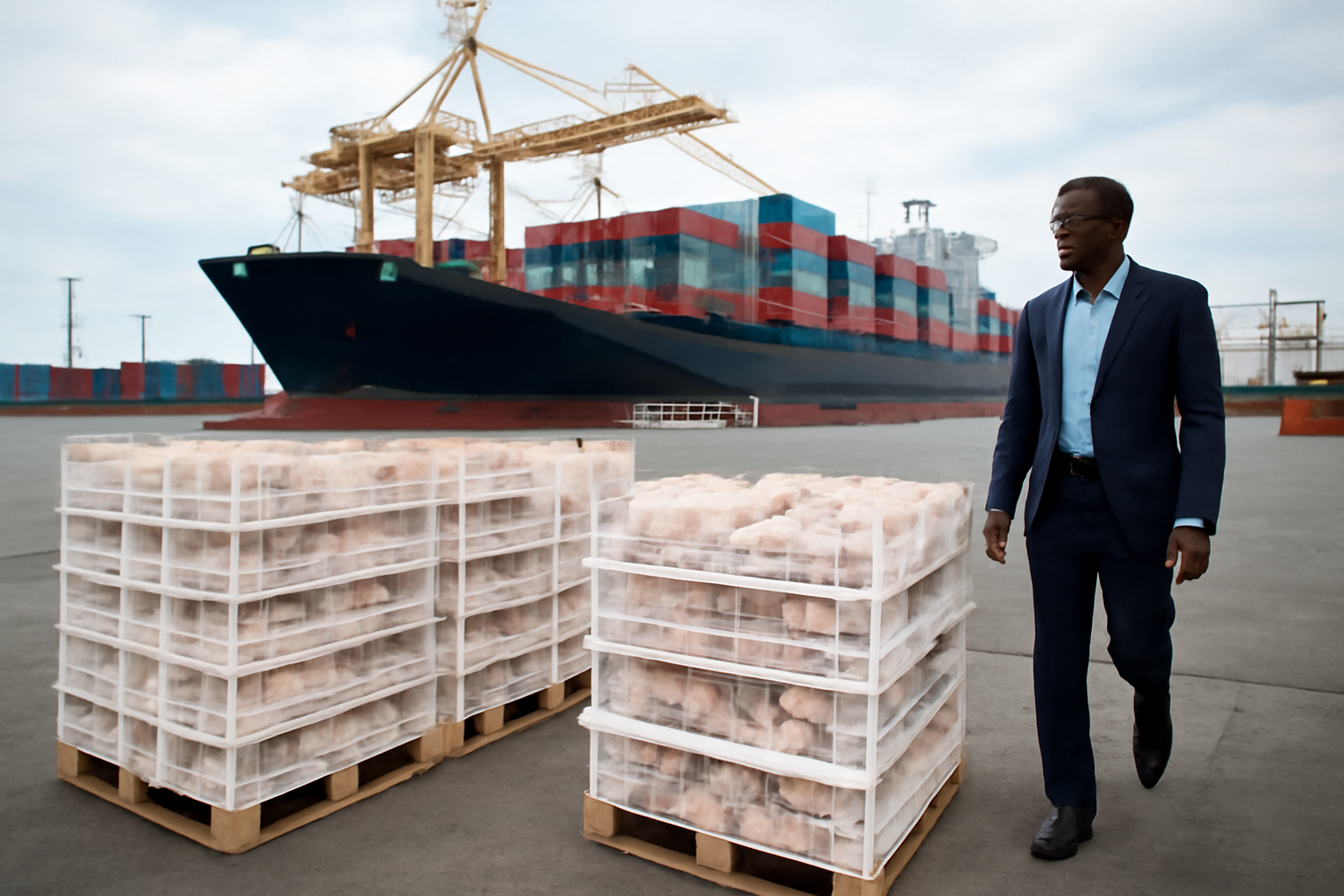
Africa's weight in the global chicken trade
Africa absorbs about 13% of global chicken meat imports, which makes it the fourth-largest destination for the product, behind Asia and Europe, according to Agence Ecofin. The continent has become the main contested ground between Brazil, the world's largest chicken meat exporter, and European Union suppliers, for whom African buyers have long served as the principal outlet for cuts that European consumers do not eat. Agence Ecofin frames the Brazilian expansion as a direct threat to that position.
The trade is unusually easy to switch. African import demand is concentrated in frozen whole birds and bone-in cuts rather than chilled or further-processed lines, so the choice of origin turns almost entirely on landed cost, credit terms and shipment availability. A container of frozen leg quarters from a Brazilian plant and one from a European plant are close substitutes on the quay at a West African port. Market share can therefore move within a single buying season, without the long qualification cycles seen in higher-value protein trade.
Where Brazil's advantage comes from
Brazil's cost position starts with feed. Its integrated processors sit alongside domestic corn and soybean meal supply, which removes the freight and currency exposure that European operators carry on imported protein meal. Scale reinforces the effect: large, vertically integrated kill lines spread fixed costs across volumes that most EU plants cannot match. Exchange-rate movements have historically amplified the gap, since a weaker real lowers dollar-denominated offer prices without touching Brazilian cost structures.
Certification is the second lever. Brazilian exporters built extensive halal slaughter and certification capacity to serve Gulf markets, and that infrastructure transfers directly to Muslim-majority African markets without additional investment. Product mix matters as well. Brazilian plants can ship whole frozen birds, a format many African retailers and wholesalers prefer, alongside the bone-in cuts that European exporters depend on.
What EU exporters stand to lose
The European stake is larger than the export line itself. EU poultry economics rest on carcass balancing: domestic consumers favour breast meat, leaving legs, wings and offal to be placed abroad at whatever the export market will pay. Africa has absorbed much of that surplus. If Brazilian product sets the clearing price for bone-in cuts, the residual value of the European carcass falls, and more of the total cost has to be recovered from breast meat sold at home.
Sanitary status adds volatility on both sides. Highly pathogenic avian influenza outbreaks, and the regionalisation agreements that govern how importing countries respond to them, can close or reopen an origin quickly, redistributing volumes to whichever supplier remains eligible. European operators also carry compliance costs from animal welfare and environmental rules that do not apply in the same form to their Brazilian competitors, narrowing the room to respond on price.
What to watch
For producers, traders and importers, the useful indicators in this market are commercial rather than political, because origin switches shipment by shipment rather than by policy cycle.
- Origin share in tenders and wholesale offers across major African importing markets, tracked by shipment rather than by annual totals.
- Import policy in African states that are building domestic broiler capacity, where tariffs, licensing and outright import bans can remove demand faster than price competition.
- Freight rates and currency movements, which decide landed cost in a segment where buyers show no origin loyalty.
- Avian influenza notifications in both Brazil and the EU, together with the regionalisation terms importing countries apply.