Brazil's pig herd flat in 2025 while goat and sheep numbers hit records
Brazil's pig herd was essentially unchanged in 2025, while the country's goat and sheep flocks both reached record levels, according to Globo Rural. Brazil holds the fourth-largest pig herd in the world, is the fourth-largest pork producer and the third-largest pork exporter. A flat breeding base shifts the question of future pork volumes onto productivity rather than herd growth.
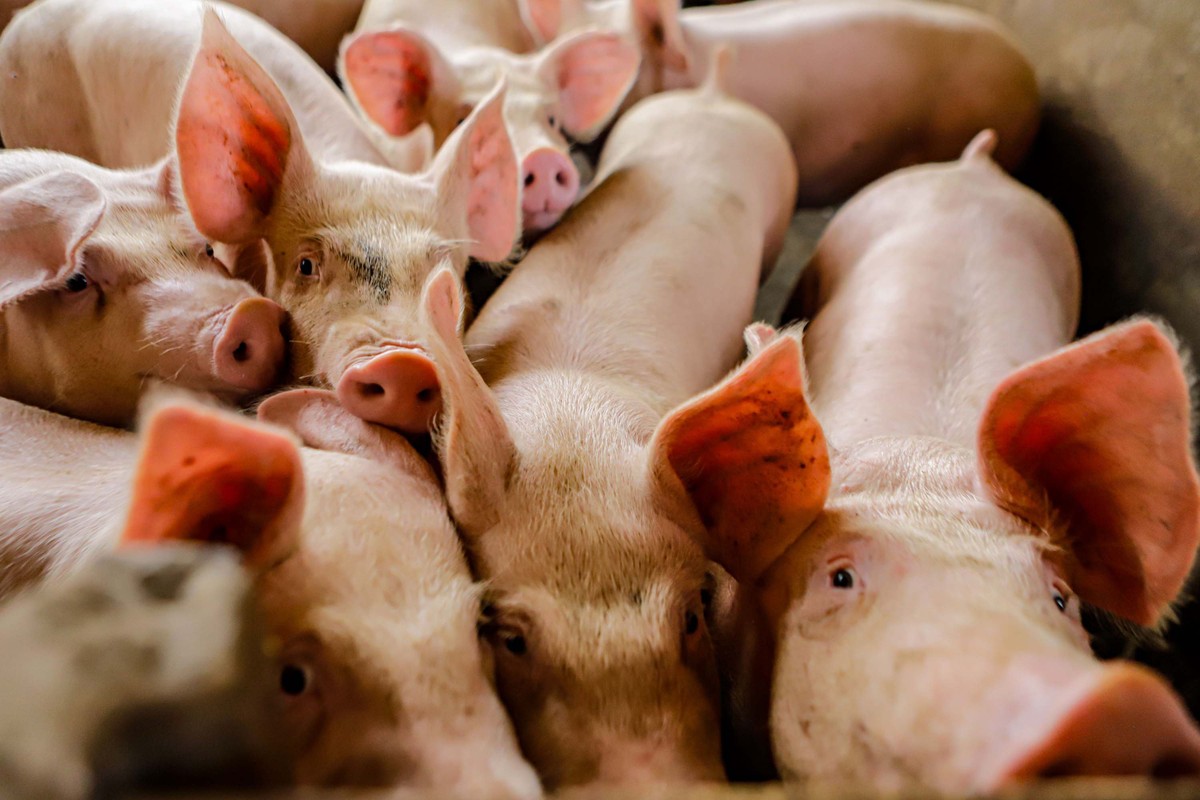
Brazil's pig herd was essentially unchanged in 2025, while the country's goat and sheep flocks both reached record levels, according to Globo Rural.
The flat reading on pigs carries weight well beyond the farm gate. Brazil holds the fourth-largest pig herd in the world, is the fourth-largest pork producer and the third-largest pork exporter, Globo Rural noted. The breeding base recorded in one year sets the practical ceiling for slaughter and exportable volumes in the next, which makes a year without growth a signal for processors and buyers alike.
Pig herd stops growing
A stable herd does not mean stable output. With animal numbers flat, additional pork can only come from productivity gains - more piglets weaned per sow, higher survival rates, heavier carcasses at slaughter - or from redirecting the share of production that currently stays in the domestic market. Both routes are slower and more capital-intensive than simply adding breeding stock, and both are decided plant by plant rather than nationally. Processors reading a flat herd typically respond by tightening contracts with integrated producers and holding slaughter schedules, rather than bidding for extra animals that do not exist. Brazil's standing in the global pork industry, as reported by Globo Rural:
- Fourth-largest pig herd in the world
- Fourth-largest pork producer
- Third-largest pork exporter
For processors, a year of stabilisation is also a margin story. Herd decisions in pig farming respond to the spread between hog prices and feed costs, above all corn and soymeal, and to the cost of credit for barn construction. A herd that holds rather than expands is the typical outcome when producers see enough demand to keep existing barns full but not enough margin to justify building new ones.
Goats and sheep set records
The goat and sheep figures move in the opposite direction. Both herds reached their highest levels on record in 2025, Globo Rural reported. Those records come off a much smaller base than pigs, so the percentage growth behind them translates into far less tonnage. Goat and sheep farming in Brazil is also structurally different from pork: much of it sits outside vertically integrated systems, with animals held in smaller flocks and sold through local channels.
The constraint for the small-ruminant chain is downstream, not on pasture. Inspected slaughter and formal processing capacity remain limited for sheep and goats compared with the industrial scale of the pork chain, which means a larger herd does not automatically become a larger volume of inspected meat on retail shelves. Until that capacity catches up, record herd numbers show up first in informal and regional trade.
What to watch next
The pork chain enters the next cycle with a supply base that is holding rather than building, which argues for competition on price and reliability rather than on additional volume. Any buyer looking to Brazil for incremental tonnage will be competing with Brazilian domestic demand for the same animals. Buyers who plan volumes a year ahead should treat Brazilian pork availability as a function of productivity and domestic consumption, not of herd growth.
On the small-ruminant side, the practical test is whether the records are sustained for another season and whether processing investment follows. A sustained larger flock gives Brazil the raw material to substitute part of the lamb and mutton it now sources abroad, well before any export ambition becomes realistic.