Paddy rice holds near R$ 90 a sack in Rio Grande do Sul as export demand competes with mills
Paddy rice prices in Rio Grande do Sul remain firm, with vessel-loading business closed in recent days close to R$ 90 per 50-kg sack at the Port of Rio Grande, according to Cepea data reported by Itatiaia. Producers near the terminal increased offers while part of the domestic milling industry stepped back, unable to match export values. Rice processing in the state advanced in August and consumer prices also rose.
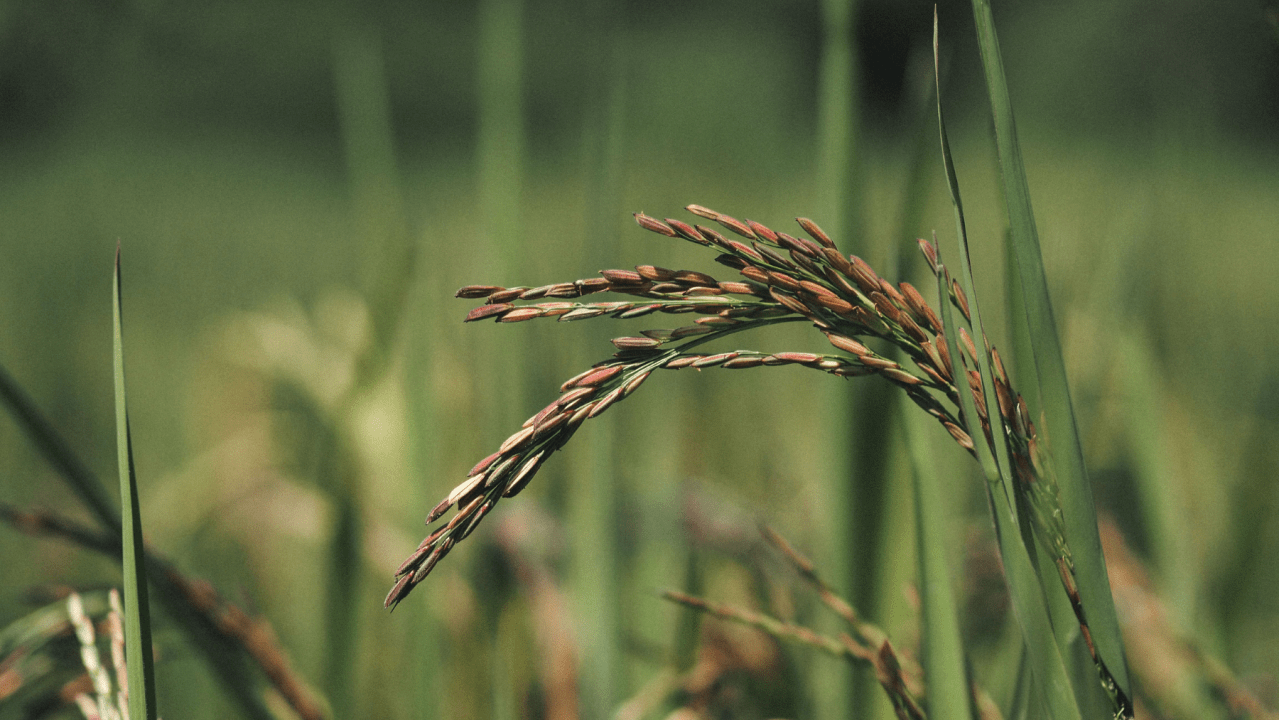
Paddy rice prices in Rio Grande do Sul are holding firm as exporters and domestic mills compete for the same crop, according to Itatiaia, which cited the Center for Advanced Studies on Applied Economics (Cepea). Rio Grande do Sul is Brazil's main rice-producing state, and the price signal coming out of its export terminal is currently setting the tone for the internal market as well.
Cepea reported that business tied to vessel loadings was closed in recent days at values close to R$ 90 per 50-kilogram sack at the Port of Rio Grande. That works out to R$ 1,800 per tonne of paddy. Alongside the export bid, two further factors are supporting the market, according to the research centre: direct competition between the domestic and export channels for the same raw material, and the expectation of government purchases.
Producers near the port step up sales
The port-level bid pulled grain out of on-farm storage. Cepea said producers expanded their offers, principally in the regions closest to the terminal. That geographic concentration follows the freight logic of a port-driven rally: the shorter the haul to Rio Grande, the more of the export price reaches the farm gate. Growers further inland see the same headline number but capture less of it.
The additional volume did not break the market. Cepea continued to describe paddy prices in the state as firm, which indicates that buying interest absorbed the extra supply rather than being satisfied by it.
Domestic mills retreat from the bidding
Part of the domestic industry has reduced its participation in negotiations, Cepea said, citing difficulty in keeping up with the values being paid in export business. That retreat is the clearest evidence of how tight the competition for paddy has become: processors serving the internal market are being priced out of raw material at the margin.
The pressure on mills is a margin problem rather than a demand problem. Processors buy paddy and sell milled rice into domestic retail and food service; when the raw material reprices faster than they can recover downstream, the rational response is to buy less and draw on stocks. If vessel loadings continue at the current pace, the domestic channel will have to move closer to port parity to secure volume.
Milling activity and consumer prices rose in August
The dispute for raw material is taking place in a context of stronger industrial demand, according to Cepea. Rice processing in Rio Grande do Sul advanced in August, while consumer prices also registered an increase in the same period. Both movements are consistent with a market in which paddy is being bid away from the domestic channel and the higher cost is reaching the shelves.
- Vessel demand at the Port of Rio Grande, currently the price-setter for the state's paddy.
- The pace at which producers near the terminal keep releasing supply.
- Any confirmation of the government purchases that Cepea lists among the factors supporting prices.
For buyers of Brazilian rice abroad, the R$ 90 level at Rio Grande is the reference from which export offers are built. For domestic processors, it is a cost that has not yet been fully passed through. The Cepea figures reported by Itatiaia describe a market in which the export channel is setting the price and the internal channel is adjusting to it.