Brazilian paddy rice prices hold firm as export demand forces buyers to raise bids
Foreign demand for Brazilian rice is keeping paddy prices firm and intensifying competition for available lots, according to Globo Rural. Growers are still resisting prevailing price levels, forcing buyers to revise their offers upward to secure new volumes. The report does not disclose price levels, export destinations or traded volumes.
Growers hold back, buyers raise their offers
Prices for paddy rice in Brazil are holding firm as demand from abroad intensifies the competition for available lots, according to Globo Rural. The outlet reported that producers remain reluctant to sell at prevailing price levels, and that buyers had to revise their offers upward in order to secure new volumes.
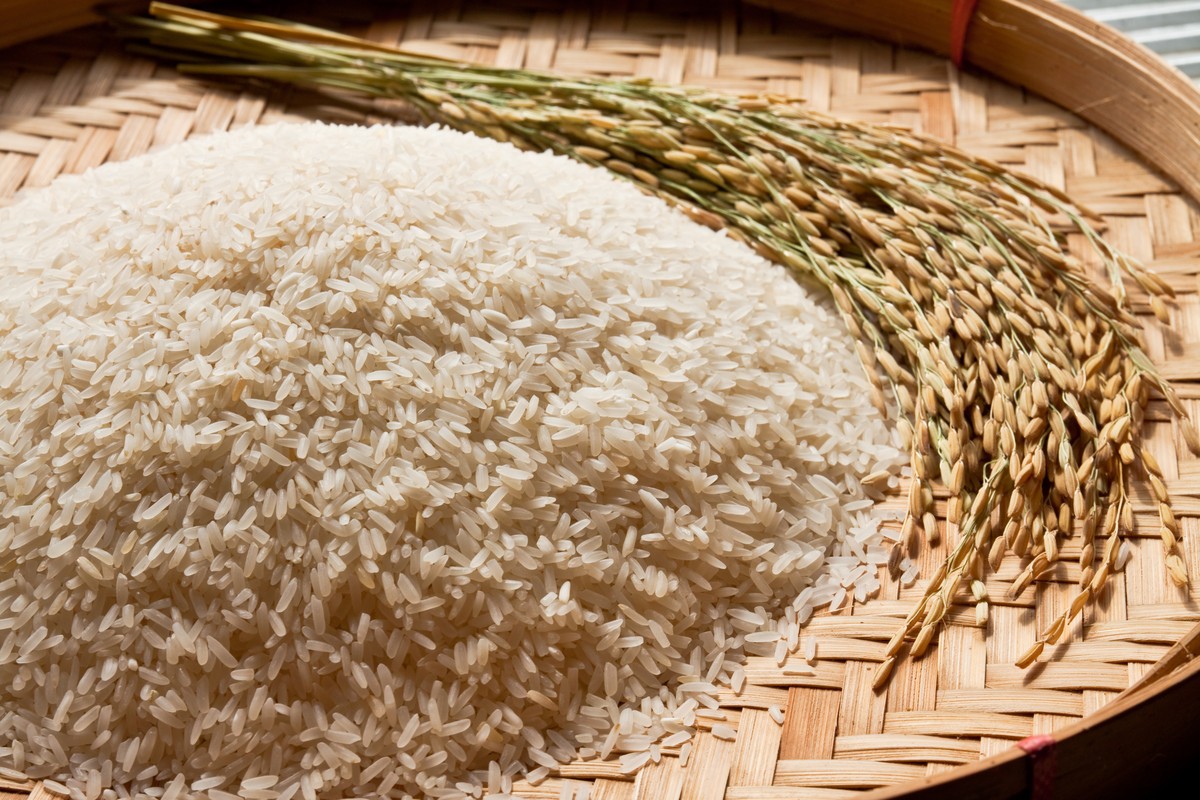
The trade in question is arroz em casca, or paddy: the unmilled grain as it comes off the field. It is the price reference that matters most to growers, because it is the form in which the crop changes hands between farms and mills. Globo Rural points to Rio Grande do Sul, Brazil's main rice-growing state and the benchmark region for the domestic paddy market.
External demand as the driver
The report attributes the firmness to external demand for Brazilian rice rather than to any shift in domestic consumption. Destinations, volumes and price levels were not disclosed. What the report does establish is the direction of the pressure: buyers are the side making concessions, and they are making them on price.
The mechanism inside the supply chain is direct. Grain committed to export, whether shipped as paddy or milled first, is grain that does not reach domestic mills. Processors serving Brazilian retail therefore bid against exporters for the same lots. When export interest is strong enough to set the marginal bid, the internal market either follows it or goes without volume. That is also what turns a merely firm market into a contested one, which is how Globo Rural characterised the current competition for product.
Retention shifts the balance
The second element is producer retention. Growers with storage capacity can hold grain and wait, which converts a selling decision into a timing decision. As long as they expect the next bid to be higher than the current one, the incentive is to stay out of the market, and each week of withheld supply narrows the pool of lots actually on offer.
The pressure is asymmetric. Mills work on processing margins and need steady throughput to keep plants running and contracts supplied; idle capacity carries fixed costs whether or not grain arrives. Growers, by contrast, carry storage costs and quality risk but no obligation to trade on any given day. That is why a standoff of this kind usually resolves with buyers moving first, which is what Globo Rural described.
What the report does not quantify
- No price levels, percentage changes or reference indices for paddy rice were given.
- The destinations and volumes behind the external demand were not identified.
- There is no indication of how long the standoff has lasted or of the current pace of sales.
For buyers outside Brazil the signal is directional rather than numerical. Firm paddy prices at origin feed through to offers for milled rice, and a domestic market in which growers are withholding supply is one where origination costs rise and delivery windows lengthen. For Brazilian growers, the same conditions reward patience only while foreign demand holds. Once that bid weakens, retained stocks meet a market under no pressure to chase them, and the premium built up during the standoff can disappear faster than it accumulated.