Brazilian production could deliver 3-million-tonne global sugar surplus, Hedgepoint says
Hedgepoint expects Brazilian supply to produce a global sugar surplus of about 3 million tonnes, contrary to private forecasts of a deficit. The consultancy projects Center-South output of 40.5 million tonnes in 2026/27 as mills allocate less cane to sugar and raise ethanol production.
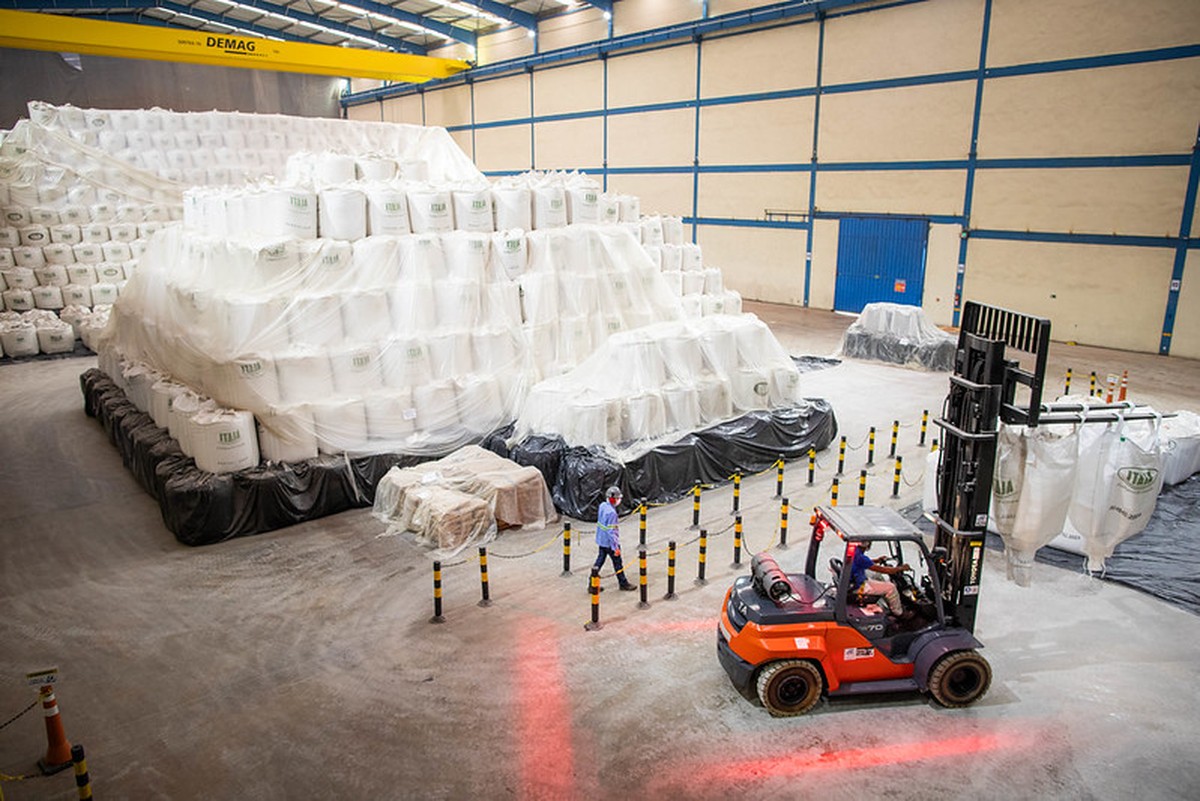
Brazil challenges the deficit consensus
Brazilian production could leave the global sugar market with a surplus of about 3 million tonnes, according to Hedgepoint Global Markets. The forecast reported by Globo Rural runs counter to estimates from several other private consultancies that have moved toward a deficit outlook. The divergence puts Brazil’s harvest, rather than demand alone, at the center of the market balance.
Reuters separately reported that Hedgepoint expects the 2026/27 crop in Brazil’s Center-South, the world’s leading sugar-producing region, to deliver 40.5 million tonnes of sugar. That would be broadly unchanged from the previous season, even though mills are expected to allocate a smaller proportion of their cane to the sweetener.
More cane, but a smaller sugar share
Hedgepoint projects the Center-South cane crush at 630 million tonnes in 2026/27, up from 610 million tonnes. The share directed to sugar is forecast to fall to 48.6% from 50.6%. The larger volume of available cane would therefore offset the lower sugar mix and keep sugar output stable at 40.5 million tonnes.
This flexibility is crucial to the outlook because Brazilian mills can shift cane between sugar and ethanol in response to relative prices, contractual commitments and plant constraints. Sugar prices near five-year lows in New York have strengthened the incentive to produce more ethanol, but Hedgepoint analyst Lívea Coda told Reuters that forward sales and industrial limitations restrict how far mills can reduce sugar production.
Total ethanol production in 2026/27 is estimated at 37.5 billion litres, an increase of 3.5 billion litres, or 10.3%, from 2025/26, according to data from industry association Unica and Hedgepoint projections cited by Reuters. The adjustment therefore moves part of the additional cane into biofuel without removing enough sugar to erase the expected global surplus.
Prices depend on ethanol demand
Hedgepoint estimates a global sugar surplus of 2.8 million tonnes in 2025/26 and 3.4 million tonnes in 2026/27, Reuters reported. Coda described the market tendency as bearish and argued that stronger Brazilian demand for hydrous ethanol would provide the less costly route to absorbing additional biofuel output and limiting the sugar overhang.
At mills in São Paulo, hydrous ethanol was trading near R$3 per litre when Reuters published its report. Hedgepoint calculated that the price would need to fall to about R$2.3 per litre during the harvest to encourage drivers to switch from gasoline and help clear hydrous ethanol stocks. That level was equivalent to 13.5 US cents per pound for the benchmark New York sugar contract.
For producers and traders, the central uncertainty is now the scale of Brazil’s crop allocation rather than the existence of additional cane. A larger sugar mix could deepen the global surplus and add pressure to futures, while a stronger shift toward ethanol would transfer part of the supply burden to Brazil’s domestic fuel market. Importers would benefit from more comfortable availability, but mills face weaker margins unless ethanol consumption expands enough to absorb the projected increase.