Brazil’s Northeast sugar output forecast to rise 10.3% in 2026/27
Sugar production in Brazil’s Northeast is forecast to recover to 3.63 million tonnes in 2026/27, up 10.3% from the previous season. Increased cane supply, higher field productivity and wider use of irrigation, mechanization and biological inputs are supporting the outlook.
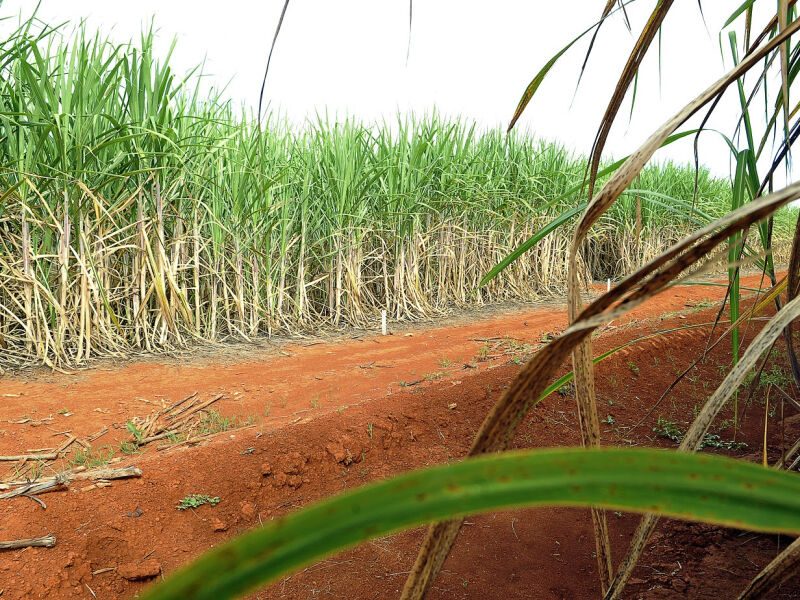
Sugar production forecast at 3.63 million tonnes
Sugar production in Brazil’s Northeast is expected to recover in the 2026/27 season as mills benefit from a larger supply of sugarcane and continued improvements in agricultural technology. The Technical Office for Economic Studies of the Northeast, or Etene, part of Banco do Nordeste, forecasts regional sugar output at 3.63 million tonnes, an increase of 10.3% from the previous season.
The forecast is supported by a projected 3.7% increase in Northeast sugarcane production. Etene expects planted area to expand by 1.3%, while average agricultural productivity is forecast to improve by 2.3%. The combination gives processors more raw material without relying exclusively on land expansion.
The expected increase is significant for a region whose average cane yield remains below that of Brazil’s leading production areas. Higher field performance could improve the use of existing milling capacity and help regional producers narrow part of their competitiveness gap with other sugar- and ethanol-producing regions.
Irrigation and mechanization reshape the cane sector
According to Banco do Nordeste, expansion of irrigated acreage, mechanized harvesting and biological inputs is helping reduce costs and raise productivity. Irrigation has contributed to stronger agricultural performance in Bahia, while harvesting mechanization is progressing gradually across several Northeastern states.
Modernization is also being driven by a shortage of labor for manual cane cutting. Growers and mills are adopting drones and other technologies alongside mechanization, irrigation and biological products. These investments are intended to increase operational efficiency, improve crop management and support more sustainable production practices.
Maria de Fatima Vidal, author of the Etene study, said the adoption of technology combined with sound business management is essential if the Northeast’s sugar and energy industry is to compete with other Brazilian production regions. The challenge is particularly important because productivity gains can lower the cost per tonne of cane and increase the volume available to mills.
Weather remains the main risk
The positive forecast is subject to weather uncertainty. Heavy rainfall recorded in Pernambuco and Paraíba in May 2026 may affect part of the planted area, according to the study. The possible formation of El Niño could also produce irregular rainfall during the year, creating additional uncertainty for field yields and the timing of agricultural operations.
Despite those risks, Etene’s central expectation remains a recovery in regional cane supply and, consequently, sugar production. For growers, the outlook links revenue potential more closely to productivity and access to technology. For mills and sugar traders, the projected 10.3% output increase points to greater regional availability, although the final result will depend on weather conditions and the conversion of additional cane into sugar rather than other products.