Lula regulates R$270 million aid for Northeast Brazil sugarcane growers
Brazil has regulated R$270 million in assistance for Northeast sugarcane producers affected by US tariffs or adverse weather. The decree provides R$12 per tonne, linking support directly to eligible production volumes.
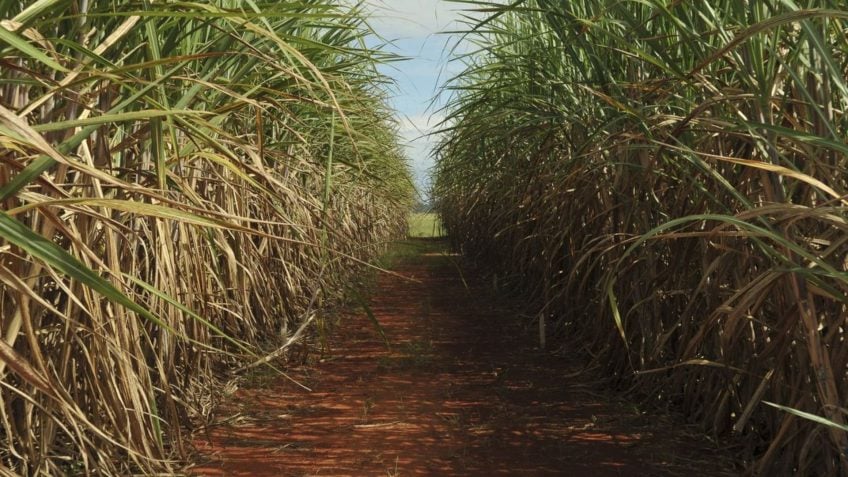
Brazil sets payment terms for sugarcane assistance
Brazilian President Luiz Inácio Lula da Silva has regulated a R$270 million assistance package for sugarcane producers in the country’s Northeast, according to Poder360. The decree establishes a payment of R$12 per tonne for growers affected by tariffs imposed by the United States or by adverse weather events.
The measure gives the support programme a volume-based mechanism rather than a single payment for every beneficiary. The amount received by an eligible producer will therefore depend on the tonnage covered under the decree. The available source material does not specify the application timetable, individual payment limits, eligibility documentation or the crop period used to calculate compensation.
Tariffs and weather pressure growers
The decree addresses two different sources of losses. US tariffs represent a trade-related constraint, while adverse weather affects agricultural output and farm economics directly. Both can weaken revenue for sugarcane growers, although their impact varies by producer, location and exposure.
The focus on the Northeast is significant because the measure is geographically targeted rather than a nationwide support programme. Producers outside the region are not identified as beneficiaries in the reported decree. Poder360’s account also does not state how the R$270 million will be divided between tariff-related claims and losses attributed to weather.
Implications for the sugar and ethanol chain
For growers, the R$12-per-tonne payment can partly offset documented losses without changing the underlying market price for sugarcane. For mills and processors, support to suppliers may help preserve the financial capacity needed to maintain fields and deliver cane. The decree itself, however, does not provide new figures for sugar or ethanol production, processing capacity, export volumes or domestic prices.
The market effect will depend on how quickly the programme is implemented and how much eligible tonnage is approved. Traders and processors will also watch whether the assistance stabilises cane availability in affected areas. The reported measure is compensation for producers facing specified tariff or weather damage; it is not described as a guaranteed price, an export subsidy or a general expansion programme for Brazil’s sugarcane industry.