Brazilian livestock chain ends September with broad price gains
Prices increased across Brazil’s cattle and meat chain at the end of September. Globo Rural linked the gains to tighter supplies of slaughter-ready cattle during the off-season and stronger exports compared with August.
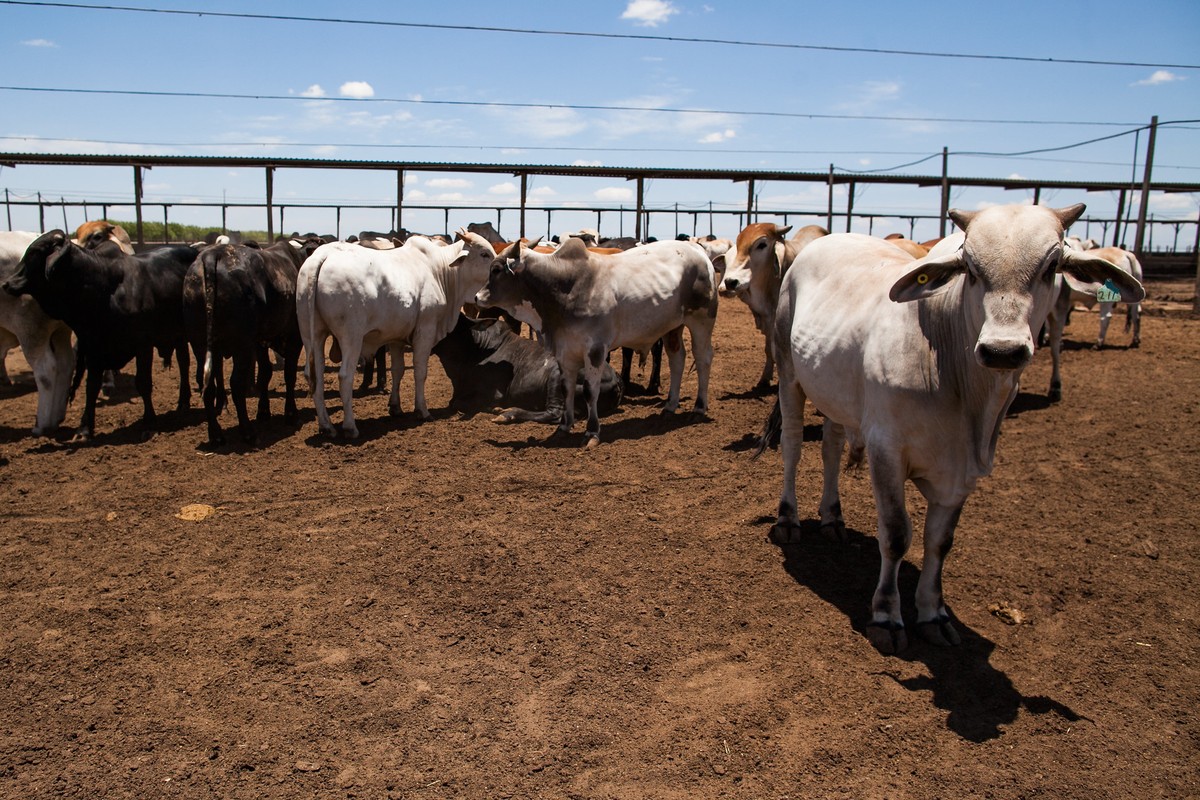
Prices rise across the chain
Brazil’s livestock market ended September with price increases across the cattle and meat chain, according to Globo Rural. The movement was not confined to one segment: the publication described gains throughout the chain as market participants adjusted to a reduced supply of animals ready for slaughter.
The rise came during the off-season, when the availability of finished cattle tightened. Fewer slaughter-ready animals gave producers greater support in negotiations and increased procurement pressure on processors. For meat companies, the change meant a firmer market for their principal raw material after the supply conditions prevailing earlier in the season.
Off-season supply becomes the main constraint
The central domestic factor was the lower number of animals available for immediate slaughter. This matters because processors require a regular flow of cattle to maintain plant schedules and manage unit costs. When finished-animal supply contracts, buyers must compete more actively for available lots or adjust slaughter programs to the volume they can secure.
The broad nature of the price gains indicates that the tighter cattle market was transmitted beyond farm-level transactions. Although the available source material does not provide regional quotations, percentage changes or plant-level slaughter figures, it identifies the reduction in ready cattle as a defining feature of the September market. The absence of detailed price data also means the scale of the increase cannot be compared across producing regions or different meat products.
Exports improve from August
External demand provided an additional source of support. Globo Rural reported that exports improved compared with August, strengthening market conditions at a time when domestic slaughter supply was already restricted. Better export performance can increase competition for cattle by supporting processor demand, particularly among companies serving overseas customers.
The report does not specify export volumes, revenues, destination markets or product categories. It therefore remains unclear whether the improvement was driven by larger shipments, changes in the product mix or other commercial factors. What is clear from the reported direction is that exports performed better than in August and coincided with lower off-season availability of slaughter-ready animals.
Implications for producers and processors
For cattle producers with finished animals available, the combination of limited supply and improved exports strengthened the selling environment at the end of September. Producers without animals at the required weight, however, could not necessarily capture the gains, while buyers faced higher procurement pressure across the chain.
Processors must balance cattle availability, slaughter schedules and sales demand. Export-oriented companies may benefit from the improvement in overseas trade, but tighter animal supply can also raise input costs and limit throughput. September therefore closed with supportive conditions for livestock prices, shaped by two reinforcing factors: fewer cattle ready for slaughter during the off-season and exports performing better than in August.