Brazil keeps 12% crude oil export tax for up to 60 days amid US-Iran conflict
Brazil's Gecex-Camex committee decided on July 9 to hold the temporary 12% export tax on crude petroleum and bituminous minerals. The measure is valid for up to 60 days and will be reassessed after 30 days, as the US-Iran war pressures global oil supply through the Strait of Hormuz.
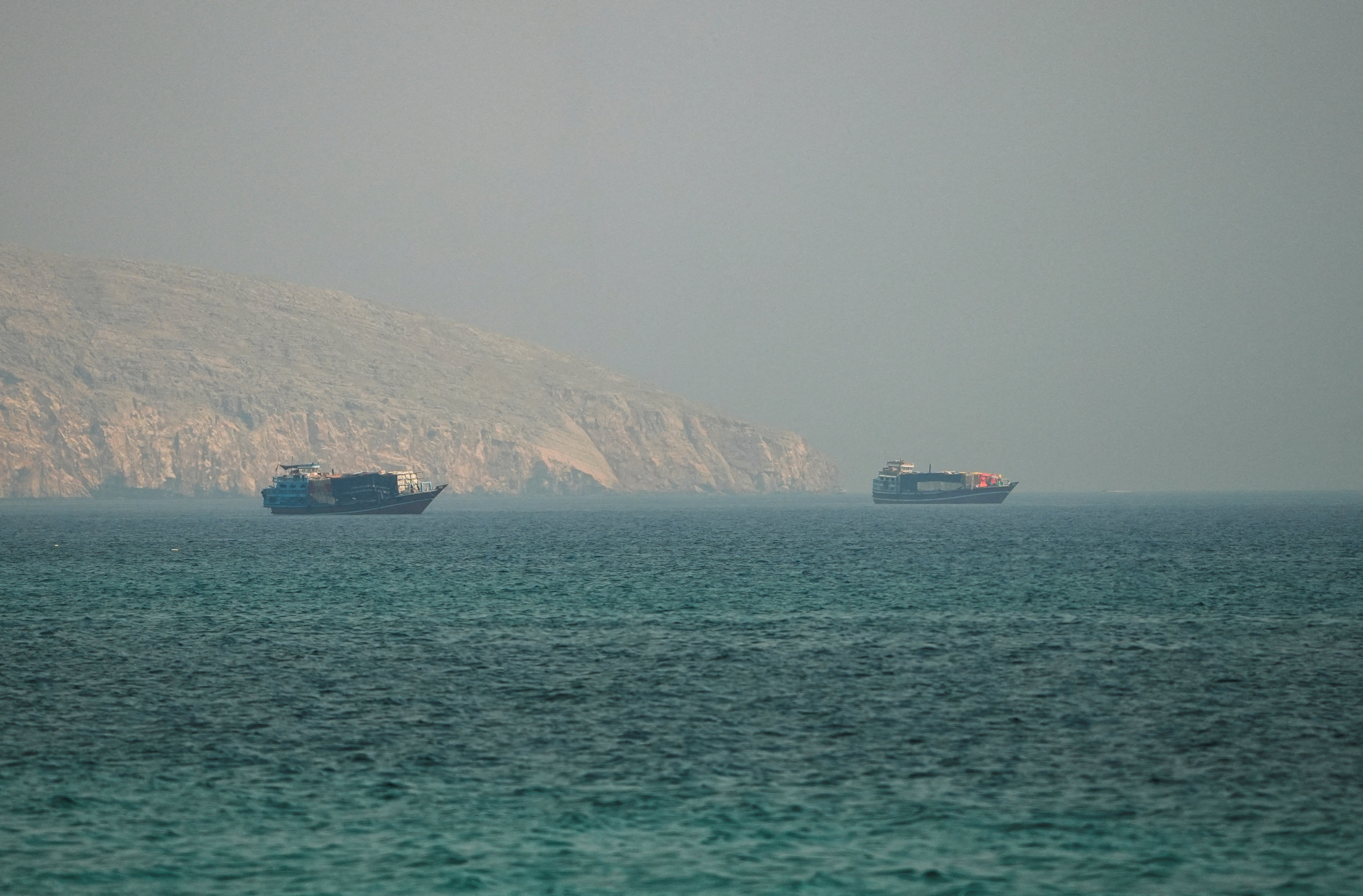
Brazil maintains crude oil export tax at 12%
Brazil's Executive Management Committee of the Foreign Trade Chamber (Gecex-Camex) decided on Thursday, July 9, to maintain the 12% export tax on crude oils of petroleum and bituminous minerals, according to g1.globo.com. The measure is temporary, valid for up to 60 days, and will be reassessed after 30 days.
According to the committee, the reassessment will take place "in light of the evolution of the international scenario and its impacts on the oil and fuels market." Bituminous minerals are rocks and substances rich in hydrocarbons used in the production of fuels and petroleum derivatives.
Why Brazil is holding the rate
Gecex argued that keeping the tax seeks to preserve supply conditions in the domestic market and guarantee raw material for Brazilian refineries. Gecex is the federal government body responsible for foreign trade measures such as import and export tariffs; it is part of the Foreign Trade Chamber (Camex), linked to the Ministry of Development, Industry, Commerce and Services.
By taxing crude shipments abroad, Brazil raises the relative cost of exporting unrefined oil against selling it to domestic refineries. For exporters, that trims the margin on foreign sales; for the downstream sector, it helps secure feedstock at a time of international uncertainty.
The US-Iran conflict backdrop
The decision was taken amid the escalation of the war between the United States and Iran, which has again pressured the international oil market, g1.globo.com reported. In recent days, the two countries exchanged new attacks. Iran said American bombings interrupted the gradual reopening of the Strait of Hormuz, the route through which about 20% of the oil and gas traded worldwide passes.
The conflict has heightened concerns about a possible reduction in global supply of the commodity and a rise in international prices. That combination frames Brasília's decision to keep barrels available for local processing rather than let them flow into a tightening export market.
What it means for trade flows
The temporary nature of the measure is central. It runs for up to 60 days but faces a formal review after 30 days, tied explicitly to how the international situation evolves and its impact on oil and fuel markets.
- Brazilian crude exporters face a continued 12% levy that caps the upside from any rise in international prices.
- Domestic refineries retain priority access to feedstock, supporting internal fuel supply.
- Buyers of Brazilian crude abroad confront an added cost layer while the Strait of Hormuz risk persists.
The next 30 days are decisive: if tensions ease and Hormuz flows normalize, the tax could be lifted; if supply fears deepen, it may be extended or adjusted.