Brazil’s gluten-free beer output jumps 417.68% as brewers expand lighter ranges
Brazil produced 367.9 million liters of gluten-free beer in 2025, up 417.68% from 71.1 million liters in 2024. Cervejaria Blumenau has entered the segment with a 3% alcohol beer containing fewer than 70 calories, while Heineken is also advancing lower-calorie and gluten-free products.
Gluten-free output reaches 367.9 million liters
Production of gluten-free beer in Brazil increased by 417.68% in 2025, rising from 71.1 million liters in 2024 to 367.9 million liters, according to ND Mais, citing the Ministry of Agriculture and Livestock’s 2026 Beer Yearbook. The category accounted for approximately 2.35% of total Brazilian beer production.
The increase provides a concrete measure of changing demand in one of the world’s major beer markets. Consumers are seeking products positioned around lower alcohol content, fewer calories and other health-related characteristics, encouraging breweries to broaden portfolios that were previously centered on conventional beer and, more recently, alcohol-free alternatives.
The figures also show that gluten-free beer is moving beyond a small specialist niche. Although its share of national production remains limited, the fivefold increase in annual volume gives producers, ingredient suppliers, distributors and retailers a larger commercial base on which to develop the category.
Cervejaria Blumenau adds a 70-calorie product
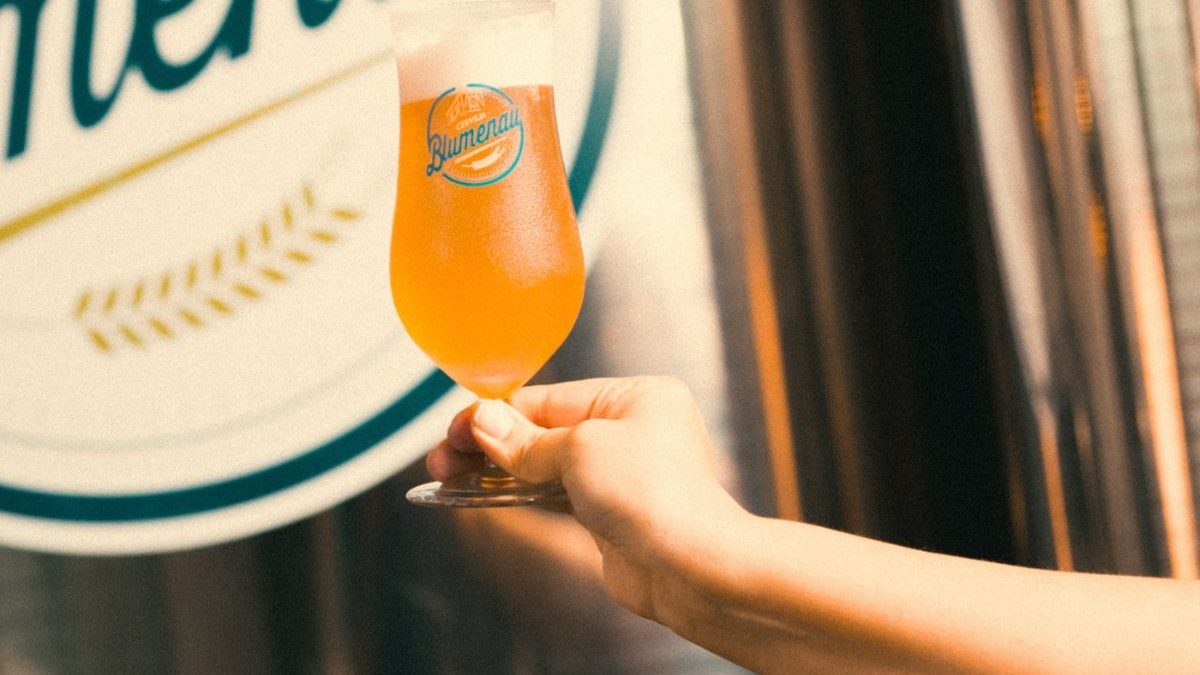
Cervejaria Blumenau has responded by launching Blumenau Ultra, a gluten-free beer with 3% alcohol by volume and fewer than 70 calories. The product is sold in 355 ml long-neck bottles and complies with the applicable gluten-free standard, which allows no more than 20 parts per million of the protein.
The launch extends the company’s range after three years of operating in the alcohol-free segment. Cervejaria Blumenau will continue selling its traditional beer styles alongside products aimed at consumers interested in lighter or alcohol-free options.
Executive director Valmir Zanetti said the strategy reflects changes in consumer habits and the company’s intention to offer products for different consumption occasions. Brewer Marcos Guerra said development began with the sensory profile, with the company seeking a lighter and more refreshing beer that retained the brewery’s emphasis on pronounced flavors.
Major brewers pursue the same consumer shift
Heineken is also moving further into Brazil’s gluten-free and lower-calorie market. NeoFeed described the initiative as the Dutch brewer’s “third wave” in the country, focused on a range combining gluten-free positioning with fewer calories. The available report did not disclose production targets, investment figures or launch volumes for that expansion.
The parallel moves by a major international brewer and a regional producer indicate that the category is attracting companies with different scales and routes to market. For smaller breweries, lighter products can provide differentiation in a crowded premium and craft segment. Larger groups can use established distribution and marketing networks to make such products more widely available.
The next test will be whether the 2025 production increase is matched by sustained consumer purchases. At 367.9 million liters, the segment is already large enough to influence packaging, retail placement and portfolio decisions. Producers will still need to balance health-oriented claims with flavor, price and availability, while maintaining compliance with the 20 PPM gluten threshold.