Brazilian fruit exports reach record $707.9 million in first half of 2026
Brazil exported 619,100 tonnes of fruit worth $707.9 million in the first half of 2026, setting a record as value rose 20.64% and volume increased 13.32% year on year. Apples, avocados, mangoes and watermelons led growth, while grapes, bananas and melon volumes declined.
Export value and volume rise together
Brazilian fruit exports reached a record in the first half of 2026 despite a more difficult global trading environment. Shipments from January through June generated $707.9 million and totaled 619,100 tonnes, according to A Notícia do Vale. Export value increased 20.64% and volume rose 13.32% compared with the same period of 2025, when the country shipped 546,300 tonnes worth $586.8 million.
The faster increase in revenue than in tonnage indicates a stronger average return across the export basket. Growth was led mainly by mangoes, apples, avocados and watermelons. Grapes and melons encountered product-specific difficulties, but their performance was not sufficient to reverse the overall expansion.
Abrafrutas president Waldyr Promicia linked the results to product quality, operating efficiency, access to new markets and diversification among destinations. He also cited continued investment in technology and the international promotion conducted through the Frutas do Brasil project, a partnership between Abrafrutas and ApexBrasil.
Record apple harvest reshapes the product mix
Apples recorded the strongest growth of the semester. Their export value increased 223.55% and volume climbed 225.11%. Moises Lopes de Albuquerque, executive director of the Brazilian Association of Apple Producers, attributed the result to Brazil's largest harvest on record, following two years in which adverse weather had restricted production.
The larger crop increased supplies for both domestic and foreign buyers. Albuquerque said exports could have been higher, but conflict in the Middle East disrupted an important market, complicated logistics and increased competition in alternative destinations. India remained the leading buyer of Brazilian apples, followed by Saudi Arabia and Russia.
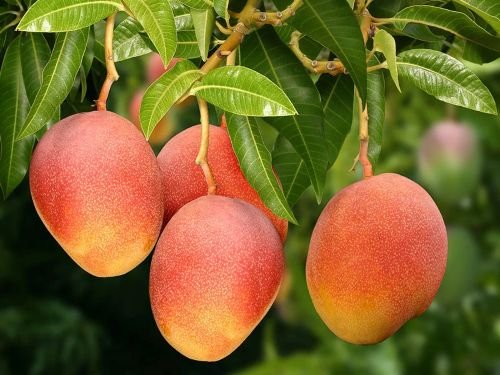
Mango exports rose 42.41% in value and 37.96% in volume as Brazil strengthened its position in strategic markets. Avocados generated an even sharper expansion: value increased 72.52% and volume advanced 92.68%, supported by São Paulo's best harvest in five years and the resulting increase in exportable supply.
Watermelon revenue rose 30.59% while volume increased 6.27%. Production in northeastern Brazil supported regular availability and consistent quality. The gap between value and volume growth also points to improved export returns for the product during the period.
Tariffs, competition and weather pressure other fruits
Grape exports fell 27.92% in value and 27.86% in volume. A Notícia do Vale described the decline as temporary and associated it with uncertainty in the US market following the announcement of new US tariffs, which slowed negotiations and shipments. Banana exports declined 15.63% in value and 27.19% in volume as lower-priced fruit from Ecuador, Bolivia and Paraguay intensified competition within Mercosur markets.
Melon shipment volume slipped 2%, partly because of weather effects on production, but export revenue increased 8.18% as international demand held up and prices improved. Lemons and limes, papayas and other fruits also recorded gains, broadening Brazil's export mix. Abrafrutas expects positive performance to continue in the second half, with destination diversification viewed as essential for limiting market risk and pursuing a new full-year export record.